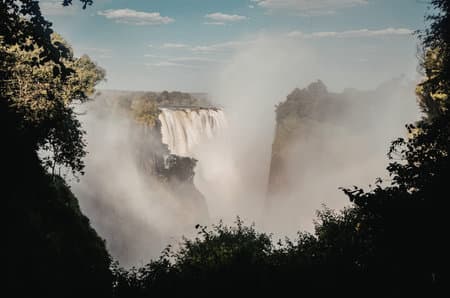
Discover the compelling reasons to choose Southern Africa for your next adventure.
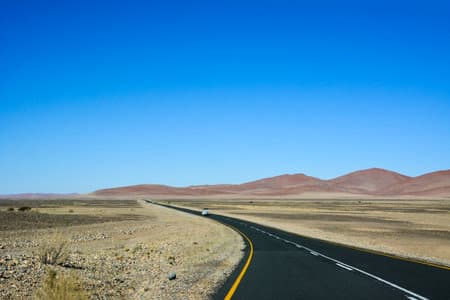
Image via 123RF
Get in touch with us and we'll get back to you as soon as possible.
Here's what sets us apart from the competition
We deliver exceptional experiences at fair, transparent prices, ensuring every journey offers genuine quality, comfort, and unforgettable adventure without unnecessary costs.
Your journey is crafted around your interests, pace, and travel style, giving you a custom-made adventure that feels authentic, meaningful, and entirely your own.
From planning to your final day of travel, our dedicated team is available to guide, assist, and ensure your trip runs smoothly and stress-free.
Find answers to common questions
Yes, the guides describe typical seasonal patterns and the most suitable times for different activities (for example wildlife viewing or beach stays), while avoiding absolute guarantees about weather or wildlife sightings.
Guides outline practical logistics-recommended travel durations, typical transport options, and the curated lodge and camp partners Zimtrek works with-so you can plan seamless connections and accommodation that suit your itinerary.
Yes, Zimtrek uses destination guides as the basis for tailor-made itineraries, and their travel specialists can adapt routes, accommodation, and activities to your travel style, group size, and timing.
Zimtrek specialises in Southern and East Africa, with core destinations including Zimbabwe, Botswana, Zambia, South Africa, Namibia, Kenya, and Tanzania, and provides detailed guides for each region.
Destination guides cover a range of travel styles such as safaris, adventure travel, beach holidays, cultural trips, wildlife photography, and family-friendly itineraries to help match experiences to your preferences.
In This Article
Cultural Diversity
Breathtaking Landscapes
Adventure Opportunities
Southern Africa draws travellers for reasons that go beyond a single landmark or a famous safari circuit. What makes the region compelling is the way it combines scale and variety: wide-open wilderness, living cultures, Atlantic and Indian Ocean coastlines, desert scenery, riverfront cities, and wildlife areas that feel very different from one another even within the same country. For a traveller planning a first African journey, that variety matters because it lets you shape a trip around your own pace and interests rather than forcing you into a one-size-fits-all experience.
At Zimtrek Travel, the strongest trips in Southern Africa are often the ones that mix contrast. A journey might start with the thunder of Victoria Falls in Zimbabwe, move to a boat safari in Botswana’s Chobe region, continue into Namibia for desert landscapes, and finish with time in Cape Town or the Cape Winelands. That kind of routing is one reason the region works so well for couples, families, photographers, and travellers who want adventure without sacrificing comfort. It is also one of the easiest parts of Africa to plan around tailored interests because the core experiences are so different: water-based game viewing, classic open-vehicle safari, coastal relaxation, heritage visits, hiking, and culinary travel all fit naturally here.
Southern Africa is not just a safari destination. It is a region where landscapes, cultures, and travel styles can be combined into one journey without feeling rushed.
core destinations often combined in Southern Africa itineraries: Zimbabwe, Botswana, Zambia, South Africa, Namibia, Kenya, and Tanzania are the wider network, but Zimtrek focuses on Southern Africa travel planning.
The appeal is also practical. Southern Africa has a mature travel infrastructure in key destinations, a strong lodge and camp network, and a wide range of flight connections between major hubs. That does not mean the region is “easy” in a casual sense; it does mean an experienced planner can build a trip that avoids unnecessary backtracking, matches lodge standards to budget, and reduces the stress that can come with cross-border travel. For many international visitors, that balance of adventure and logistics is the real attraction: it feels remote and rewarding, but it can still be managed smoothly with good planning.
Travellers also come here because the region rewards different trip lengths. A long holiday can stretch across several countries, but even a shorter trip can feel substantial if it is designed well. Three nights at Victoria Falls, four nights on safari in Botswana, or a week combining Cape Town and the Kruger region can each deliver a very different travel experience. In other words, Southern Africa works for both “bucket list” travel and more deliberate, themed journeys such as photography, family bonding, or a celebration trip.
One of the most overlooked reasons to travel to Southern Africa is the depth of its cultural life. Many travellers arrive expecting wildlife first and culture second, but the region’s identity is shaped just as strongly by its people, languages, food traditions, art forms, and local customs. That means a well-planned itinerary can move beyond sightseeing and create genuine contact with the places you visit. In Zimbabwe, for example, travellers can experience community-based storytelling, stone sculpture traditions, and contemporary city culture. In Botswana and Namibia, cultural encounters often reveal how communities have adapted to arid environments and maintained strong identity through music, craft, and oral history. In South Africa, the cultural mix is especially visible in food, design, music, and neighbourhood life.
What makes these experiences memorable is not simply that they are “local,” but that they help explain the landscapes around them. A desert region feels different once you understand how people live with water scarcity. A fishing coastline means more when you hear how trade, migration, and cuisine have shaped it. A safari region becomes more meaningful when a guide explains the relationship between wildlife, land management, and neighbouring communities. This is where Zimtrek’s planning approach adds value: rather than treating culture as an add-on, it can be built into the rhythm of the trip in a way that feels natural.
The best cultural experiences in Southern Africa are usually the ones that connect directly to place - food, craft, language, and daily life explained by people who live there.
Travellers who enjoy food and wine will find that Southern Africa offers far more than a standard tasting stop. The Cape region is well known for its wine routes and restaurant scene, but food culture across the region also includes traditional braai culture, seafood along the coast, farm-to-table dining, and dishes influenced by indigenous, Dutch, British, Portuguese, and wider African traditions. For many visitors, meals become part of the story rather than a break between activities. That is especially useful when travelling with family or in a small group, because shared meals help the day feel relaxed while still adding texture to the journey.
Another strength of the region is the range of community-led experiences that feel authentic rather than staged. Travellers may visit craft markets, village projects, cultural centres, or locally guided heritage sites where the experience is led by people with direct knowledge of the area. The key is to choose experiences that support local livelihoods and fit comfortably into the itinerary. A good travel plan does not overload the day with “cultural stops”; it allows room for conversation, reflection, and time to absorb what you are seeing. That is often what turns a holiday into a genuinely memorable journey.
Southern Africa is extraordinary for landscape variety. Within a single region, you can move from a waterfall basin to floodplains, from granite hills to desert dunes, from mountain passes to marine coastlines, and from bushveld to urban garden cities. This diversity is one of the strongest reasons to choose the region over a more narrowly defined safari destination. It allows travellers to choose the kind of scenery that speaks to them most, whether that means dramatic scale, quiet isolation, or a combination of both.
Victoria Falls remains one of the best-known examples of the region’s landscape power. The attraction is not just the waterfall itself, but the way mist, river, gorge, and surrounding forest create a dramatic setting that changes with the season. In Botswana, the Okavango Delta introduces a very different landscape story: water channels, papyrus-lined islands, and wildlife viewing by mokoro or boat in the right conditions. Namibia stands out for vastness and silence, especially in the Namib Desert and around the Sossusvlei dunes, where colour and shadow shift through the day. South Africa adds coastal drama, mountain scenery, and wide-ranging national parks that can be paired with city or wine-country stays.
| Landscape | Where it stands out | Why travellers choose it |
|---|---|---|
| Waterfalls and river gorges | Zimbabwe, Zambia | Dramatic views, boat trips, and adventure activities |
| Floodplains and delta channels | Botswana | Water-based safari and excellent birdlife |
| Desert dunes and rocky valleys | Namibia | Photography, solitude, and striking light |
| Coastlines and mountain backdrops | South Africa | Varied holidays with nature and city access |
For many visitors, the most striking part of Southern Africa is how quickly the scenery can change. A traveller may spend one morning on a game drive, the afternoon on a river cruise, and the next day in a completely different climate or habitat. That movement through contrasting environments is what gives the region its sense of scale. It is also why Southern Africa can suit travellers who are not only wildlife-focused but also interested in scenery, photography, geology, or simply the pleasure of being in a place that feels visually distinctive at every turn.
Adventure in Southern Africa is broader than high-adrenaline sports, although the region certainly has those too. What makes it strong for active travellers is the range of ways you can engage with the land and water without needing specialist experience. One day might be a guided hike up a scenic ridge, the next a canoe trip, then a game drive or a boat safari. Because the region has such varied geography, adventure can be tailored to fitness level, age, and comfort level, which makes it appealing to couples, families, and small groups with mixed interests.
Victoria Falls is a good example of how adventure and accessibility meet in one destination. Travellers can choose between calmer activities such as scenic cruises and walking viewpoints, or more energetic experiences such as white-water rafting on the Zambezi when conditions allow, helicopter flights for aerial perspective, or gorge-based activities for those who want a stronger adrenaline element. In Namibia, adventure often takes the form of self-paced scenic exploration, dune walks, and long road journeys through dramatic terrain that reward patience and planning. In South Africa, hiking, kayaking, surf towns, and mountain drives expand the adventure menu even further. Botswana and Zambia lean more toward immersive wilderness adventure, where the thrill comes from the setting itself rather than from extreme sport.
Adventure travel in Southern Africa works best when transport, lodge location, and activity timings are planned together. A good route saves energy for the experiences that matter most.
The practical advantage is that travellers can scale the intensity up or down. A honeymoon couple may prefer scenic flights, gentle canoeing, and sunset cruises, while a family with older children may want guided nature walks and river-based activities. A photography-focused traveller might prioritise early-morning departures and longer viewing windows. Because Zimtrek plans tailor-made journeys, the route can be built around how much movement you want each day rather than forcing every traveller into the same schedule. That matters in Southern Africa, where distances can be long and the quality of an experience often depends on arriving at the right time of day.
| Activity Type | Best For | Typical Southern Africa Examples |
|---|---|---|
| Water adventure | Travellers who like movement and scenery | Zambezi rafting, river cruises, canoeing |
| Land adventure | Active visitors and photographers | Hiking, dune climbs, guided walks |
| Wildlife adventure | Safari-first travellers | Game drives, mokoro trips, boat safaris |
If you want a trip that feels active without being exhausting, Southern Africa is especially strong. The region lets you alternate between movement and downtime, which is important on longer trips. For example, a day of driving through a national park can be followed by a relaxed lodge afternoon, then an evening activity at sunset. This rhythm keeps the journey enjoyable instead of overpacked. It also makes the region a practical choice for travellers who want something more dynamic than a single-city holiday but less demanding than a fully expedition-style itinerary.
Wildlife is one of the region’s biggest draws, but the best reason to come here is not the number of animals on a checklist. It is the variety of wildlife settings and viewing styles. Southern Africa gives travellers a chance to see animals in classic savanna parks, riverfront habitats, floodplains, desert-adapted environments, and private conservancies. That range makes each safari feel distinct. In Botswana, water and wildlife often share the same frame. In Zimbabwe, national parks and private reserves can feel rugged and rewarding. In South Africa, safari can be paired with strong accommodation choices and easy access to other trip components. Zambia adds excellent wilderness credentials and a more remote feel in several key areas.
A major strength of the region is that game viewing can suit different travel styles. Travellers who enjoy relaxed days may prefer a river safari or lodge-based wildlife programme. Those who want a more traditional safari rhythm may choose early morning and late afternoon game drives. Birdwatchers often find the diversity especially rewarding, because wetlands, river systems, and dry savannahs can all be included in one journey. Photographers benefit from the region’s light, open landscapes, and the ability to combine multiple habitats within one itinerary. At Zimtrek, routes are often designed to avoid repeating the same safari experience twice unless the traveller specifically wants that depth in one area.
For many travellers, the real advantage of Southern Africa is habitat variety. Water, desert, river, and bush each create a different kind of wildlife experience.
It is also worth noting that wildlife encounters here can be shaped around comfort. Some travellers want high-end lodges with expert guiding and a slower pace. Others want small camps where the focus stays on the landscape and the animals. Because the region has both private and public conservation areas, there is room to choose between exclusivity, flexibility, and value. That choice is important. A well-matched lodge can dramatically affect how much you enjoy the wildlife portion of the trip, especially on longer journeys where daily rhythm, guide quality, and vehicle comfort all matter.
Rather than promising a long list of species, it is more useful to think about Southern Africa as a place with consistently strong wildlife opportunities. You travel here for the chance to spend time in environments where animal viewing feels integrated with the landscape, not separated from it. That is one reason the region continues to attract repeat visitors: each safari area has its own mood, and the combination of scenery and wildlife creates a deeper memory than a simple drive-by sighting ever could.
The best Southern Africa trips are planned around flow rather than just destination count. A common mistake is trying to include too many places in one itinerary, which can turn a rich region into a tiring one. Instead, start by deciding what the trip should feel like. Do you want a wildlife-first journey, a culture-and-coast itinerary, or a balanced mix with several distinct landscapes? Once that is clear, the route can be shaped to suit timing, transfers, and preferred accommodation style. For many travellers, three to four well-chosen stops are more satisfying than a fast-moving checklist of five or six.
Budget planning is also easier when you think in categories rather than broad estimates. In Southern Africa, your spend is usually shaped by lodge level, transport style, season, and activity choice. For example, a South Africa city-and-wine itinerary may be priced very differently from a Botswana safari with light aircraft transfers. If you are travelling as a family, it is worth checking age policies, room configurations, and whether shared game drives or private activities make more sense. If you are travelling as a couple, you may prioritise privacy, scenic rooms, and a smaller number of carefully chosen experiences. These choices change the character of the trip as much as the destination itself.
| Trip style | Best routing approach | Planning note |
|---|---|---|
| First-time visitors | Combine one iconic safari area with one landmark or city | Keep transfers simple and limit overnight hops |
| Families | Choose shorter drives and lodges with flexible rooms | Check activity timing and child policies in advance |
| Photographers | Prioritise one or two habitats with strong light and access | Allow time for early starts and rest days |
| Active travellers | Mix hiking, water activities, and safari | Plan recovery time between higher-energy days |
A smoother itinerary usually comes from fewer moves, not more. In Southern Africa, the strongest journeys often balance iconic highlights with enough time to enjoy each one.
For travellers using Zimtrek, the practical value comes from local knowledge about routing, lodge pairings, and timing. Some areas are best linked by road, others by scheduled air, and some work only when paired with a specific season. By matching those details to your travel style, you can avoid friction and spend more of the trip actually experiencing the region. If you are still deciding where to begin, start with the feeling you want the journey to leave you with: awe, calm, discovery, adventure, or a mix of all four. Southern Africa is one of the few parts of the continent where those moods can be woven together naturally within the same holiday.
Get in touch with us and we'll get back to you as soon as possible.
Here's what sets us apart
We deliver exceptional experiences at fair, transparent prices, ensuring every journey offers genuine quality, comfort, and unforgettable adventure without unnecessary costs.
Your journey is crafted around your interests, pace, and travel style, giving you a custom-made adventure that feels authentic, meaningful, and entirely your own.
From planning to your final day of travel, our dedicated team is available to guide, assist, and ensure your trip runs smoothly and stress-free.
Don't just take our word for it
Keep reading