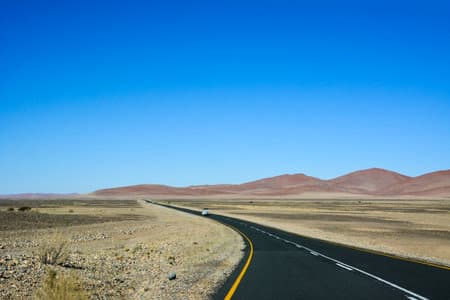
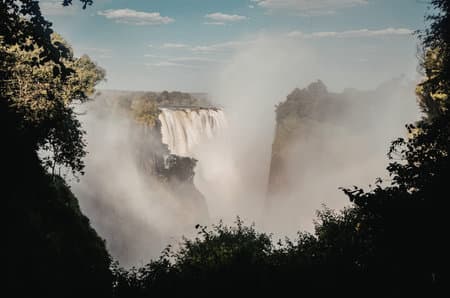
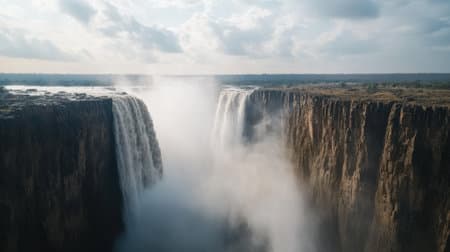
Exploring Africa's Iconic Landscapes: A Journey Through Nature's Masterpieces Overview of Africa's Natural Diversity Africa is known for landscapes that change dramatically over relatively short distances, which is one reason travel across the continent can feel like crossing several worlds in a single journey. In Southern Africa, a traveller can move from the arid beauty of Namibia’s dune fields to Botswana’s water-fed wetlands, then continue to Zimbabwe’s granite hills or South Africa’s coastal and mountain regions. That variety is not just visually striking; it shapes wildlife movement, seasonal travel patterns, local livelihoods, and the kinds of experiences that work best for each destination. For travellers planning a Southern Africa safari, the key insight is that landscapes are not just scenery. They are the framework that determines where wildlife gathers, which roads are practical, how transfers are timed, and whether a trip feels adventurous, relaxed, or photography-focused. Zimtrek Travel often plans itineraries around this landscape logic, combining places with complementary terrain rather than simply ticking off destinations. A trip that includes the Okavango Delta, for example, feels very different from one centered on the Namib Desert or the Drakensberg escarpment, even if both fit into the same broad region. Africa’s most memorable journeys often work best when the landscape itself becomes the theme, not just the backdrop. 7 Southern and East African countries commonly featured in landscape-focused itineraries Famous Landscapes and Their Features The continent’s signature landscapes are famous for different reasons. Some are defined by scale, such as vast desert basins and endless savannas. Others are defined by contrast, like river-fed floodplains that appear in the middle of dry regions. In Southern Africa, a landscape-focused trip might include the Kalahari’s open horizons, the Zambezi Valley’s rugged escarpments, the limestone and granite settings around Victoria Falls, or the wetland channels of Botswana. Each environment produces a different kind of light, movement, and sense of space, which matters especially for wildlife photography and outdoor travel. A useful way to understand Africa is to think in landscape families rather than only by country. Deserts reward travellers who appreciate silence, dramatic colour, and long-distance views. Mountains and highlands appeal to hikers, birders, and people who like cooler air and layered scenery. Savannas are the classic safari setting, with open plains that make wildlife tracking easier. Wetlands and deltas are more intimate, often requiring boats, mokoros, or carefully managed road access. This is why Zimtrek often recommends pairing two or three contrasting environments in one itinerary instead of staying in a single terrain type for the whole trip. Landscape type What defines it Best fit for travellers Desert Low rainfall, wide horizons, dunes or rocky plains Photography, solitude, dramatic scenery Highland Elevated terrain, cooler temperatures, escarpments Hiking, birding, scenic drives Savanna Grasslands with scattered trees and seasonal water Classic game viewing, family safaris Wetland Water channels, floodplains, seasonal pools Boating, birdlife, slower-paced trips Deserts: The Sahara and Beyond When people picture Africa’s desert landscapes, the Sahara often comes to mind first, and for good reason: it is the largest hot desert in the world, covering much of North Africa. But for a traveller focused on Southern Africa, the more relevant desert story is the Kalahari and the Namib, both of which offer a distinctly different travel experience from the image many visitors carry in mind. The Namib, especially along Namibia’s Atlantic side, is known for towering dunes, mineral-rich colours, and stark contrast between sand, gravel plains, and fog-influenced coastal conditions. The Kalahari, by contrast, feels more like a semi-arid wilderness of red sands, acacias, and surprisingly rich wildlife adaptation. Desert travel rewards patience and a good itinerary. Travellers often assume desert means emptiness, but that misses the point. In the Namib and Kalahari, the appeal lies in how life persists at the edge of water scarcity. Oryx, springbok, meerkats, desert-adapted elephants in some regions, and a range of smaller mammals and reptiles all demonstrate how species respond to harsh conditions. For travellers who like photography, early morning and late afternoon are particularly effective because the low angle of light brings out textures in the dunes and makes the landscape feel sculptural. Desert trips work best when you plan for long driving distances, strong sun, and limited services between key stops. Mountains and Highlands: Kilimanjaro to the Drakensberg Africa’s mountains and highlands are often less discussed than its plains, yet they are among the continent’s most distinctive natural features. In Southern Africa, the Drakensberg range is one of the most impressive highland environments, with dramatic basalt cliffs, winding passes, and valleys that support hiking, birdwatching, and cultural exploration. Zimbabwe’s Eastern Highlands provide a cooler, greener contrast to the dry lowveld, while other elevated regions across the continent create important watershed systems and refuge zones for wildlife. Highland travel has practical benefits beyond scenery. Temperatures are often more comfortable, especially for travellers who want active days without intense heat. The changing altitude also shapes vegetation, which gives mountain journeys a layered feel: grassland gives way to forest patches, waterfalls, and rocky ridges. For many international visitors, this variety is a welcome complement to safari circuits, because it adds walking, scenic stops, and slower discovery to an itinerary that may otherwise focus mainly on game drives. Savannas and Grasslands: Home of the Big Five Savannas are the landscape most closely associated with African safari imagery, and they matter because they create clear viewing conditions. Open grasslands, scattered trees, and seasonal water sources make it easier to observe wildlife movement across long distances. In Southern Africa, this environment is central to places such as Hwange in Zimbabwe, Chobe in Botswana, and parts of Kruger-adjacent regions in South Africa. The appeal is not just the animals themselves but the way the scenery frames them: elephants moving through mopane woodland, lions resting in open clearings, and antelope gathering near water after a dry spell. For many travellers, the savanna is where the idea of Africa becomes tangible. It is also the landscape that best suits first-time safari visitors because the terrain is legible and the game-drive rhythm is easy to understand. However, the experience changes depending on the season and vegetation. After rains, grasses can be tall and animals may spread out more widely. In drier months, water concentrations make sightings more predictable near rivers, pans, or artificial waterholes. This is one reason local planning matters: the same park can feel completely different depending on the time of year and the route you choose through it. Savanna setting Typical feature Travel advantage Open plains Clear sightlines and grazing herds Easy game viewing and photography Mopane woodland Thicker vegetation and shade Good for elephants and seasonal movement Riverside savanna Water access and mixed habitat Strong wildlife concentrations in dry periods Unique Ecosystems: The Okavango Delta The Okavango Delta is one of Africa’s most distinctive landscapes because it is a large inland delta that spreads water across the desert edge rather than draining into the ocean. That unusual geography creates channels, islands, floodplains, and seasonal lagoons that support a rich mix of wildlife and birdlife. For travellers, the delta offers a slower, more immersive style of safari. Instead of focusing only on vehicle-based game drives, the experience can include mokoro excursions, boat trips depending on water levels, and camp stays that feel deeply connected to the environment. This is the sort of landscape that rewards a carefully planned route. Because the delta changes with flood cycles, travel conditions vary by season and by camp location. Zimtrek often recommends aligning accommodation style with the water level and the type of experience a traveller wants. A more remote island camp can deliver excellent seclusion and wildlife interaction, while a lodge with easier road access may suit travellers who want a more relaxed transfer schedule. The real value of the delta is that it combines biodiversity with a distinctive sense of place that you cannot replicate in a standard safari setting. Cultural Significance of Africa's Landscapes Africa’s landscapes are not separate from culture; they are part of it. Settlement patterns, food traditions, grazing routes, farming practices, and spiritual beliefs are all shaped by terrain and climate. In Zimbabwe, granite outcrops and river valleys have influenced architecture, travel routes, and historical settlement for centuries. In Botswana and Namibia, arid and semi-arid environments have shaped endurance, mobility, and land use in ways that still affect modern travel and community life. For visitors, understanding this relationship makes a journey more meaningful because it connects scenery to the people who live with it every day. This cultural layer also changes how a traveller experiences a place. A river valley is not only scenic; it may be a route of trade, a farming area, or a corridor for wildlife and people alike. A mountain pass is not simply a photo stop; it can be a connector between regions with its own historical story. Zimtrek’s local planning approach is built around this broader context, helping travellers choose routes and stops that reveal how landscape, wildlife, and culture fit together in Southern Africa.
Read more