Maximize your safari experience by understanding your cash needs and spending options.
Get in touch with us and we'll get back to you as soon as possible.
Here's what sets us apart from the competition
We deliver exceptional experiences at fair, transparent prices, ensuring every journey offers genuine quality, comfort, and unforgettable adventure without unnecessary costs.
Your journey is crafted around your interests, pace, and travel style, giving you a custom-made adventure that feels authentic, meaningful, and entirely your own.
From planning to your final day of travel, our dedicated team is available to guide, assist, and ensure your trip runs smoothly and stress-free.
Find answers to common questions
Pack lightweight, neutral-coloured clothing for daytime, warmer layers for early mornings and evenings, a wide-brimmed hat, sturdy walking shoes, sunscreen, insect repellent, binoculars, and a small daypack; bring any personal prescriptions and copies of travel documents.
Passport validity and visa rules vary by nationality and destination-check entry requirements for each country on your itinerary well before travel, ensure your passport meets the minimum validity and blank page rules, and allow time for any required visas or entry approvals.
Zimtrek coordinates ground transfers, regional flights, and internal logistics through vetted local partners and guides to provide seamless connections; specific transfer times and transport types will be included in your itinerary and can be adjusted to suit your preferences where possible.
Activities range from relaxed lodge safaris and cultural visits to walking safaris and multi-day trekking; discuss your fitness level, mobility limits, and travel preferences with Zimtrek so they can tailor an itinerary that matches your activity tolerance and desired pace.
Wildlife viewing varies by region: dry seasons (generally May-October in Southern Africa and June-October in parts of East Africa) concentrate animals around water sources, improving sightings; migratory events like the Serengeti wildebeest migration have specific windows that depend on the year and location.
In This Article
Cash vs. Cards
Daily Budget Breakdown
Local Currency Insights
The amount of cash you should carry on safari depends less on the safari itself and more on the way you travel through Southern Africa. A guest staying at an all-inclusive lodge in Botswana with scheduled transfers, meals, and game drives will need a very different cash buffer from a self-driving traveller moving between Zimbabwe, Namibia, and South Africa. In Zimtrek’s planning work, the cash question usually comes down to one simple issue: what will be prepaid before arrival, and what will still be payable on the ground in local currency or US Dollars.
For many safari travellers in Zimbabwe, Zambia, Botswana, Namibia, and parts of South Africa, it is wise to think in layers. The first layer is your main trip cost, which is usually prepaid by card or bank transfer before travel. The second layer is spend-on-arrival money for tips, drinks not included, laundry, airport snacks, park fees in some cases, and small purchases from curio stalls. The third layer is emergency reserve cash that stays separate from your day-to-day wallet. That reserve is not there to be spent casually; it is there in case a transfer arrangement changes, a card reader is offline, or you need to settle an unexpected expense quickly.
In Southern Africa, the safest approach is usually not to carry one large bundle of cash, but to split money between a main reserve, a daily-use wallet, and a separate emergency stash.
Trip money, daily spend, and emergency reserve work better than one single cash pile.
Your cash needs are shaped by itinerary style, destination mix, and how remote your route is. A fly-in safari to a lodge near Victoria Falls or in the Okavango region may need little physical money once you land, while a road trip through several national parks may involve more local payments, tolls, fuel top-ups, or guide gratuities. Travellers staying in city hotels before or after safari often spend more on taxis, meals, and incidental shopping than those on a fully hosted camp itinerary.
Another major factor is how your lodge handles extras. Some properties in Zimbabwe and Botswana quote rates on a full-board or fully inclusive basis, while others bill drinks, premium activities, laundry, and gratuities separately. If your itinerary includes private transfers, scenic flights, or special activities such as boat cruises at Victoria Falls, those may be pre-arranged, but small incidental purchases still need cash or a working card. It also matters whether you are travelling in peak season, when gift shops, optional excursions, and popular dining spots may be busier and less flexible with payment methods.
A useful planning rule is to estimate cash based on the parts of your trip that are least likely to accept cards. That often includes tips, roadside stops, local markets, and some park-related services. In contrast, lodge bills, higher-value excursions, and pre-booked transfers are more often settled by card or before departure. Travellers who expect to buy local crafts, extra drinks, or add-on experiences should carry more cash than those on a tightly inclusive itinerary. You can find more information in our Comprehensive Guide to Safari Costs and Planning.
| Traveller profile | Typical cash need | Why it changes |
|---|---|---|
| Fully inclusive lodge guest | Low to moderate | Most meals and activities are prepaid; cash is mainly for tips and incidentals. |
| Multi-stop safari traveller | Moderate | Several payments may be needed across different towns, lodges, or transfers. |
| Self-drive visitor | Moderate to higher | Fuel, parking, small purchases, and contingency costs are more likely. |
Daily spend on safari is best estimated by category rather than by one flat number. A traveller in Zimbabwe might spend very little on a lodge day if breakfast, lunch, dinner, and game drives are already covered, but the same traveller may spend extra on drinks, curio shopping, or a private sundowner activity. When Zimtrek helps clients budget, the aim is to separate “known costs” from “likely extras” so that the traveller understands where cash is actually needed.
As a practical example, a guest on a mid-range safari might plan for a daily cash allowance that covers one or two drinks, tipping, and a small souvenir purchase. A more activity-heavy itinerary, such as Victoria Falls plus a river cruise, helicopter viewing, and a few meals outside the lodge, will need more spending room. If you are travelling as a couple, it is often more efficient to budget per room rather than per person for small items like taxis or snacks, but tips and personal shopping still add up individually. You might want to consider our guide on Budget-Friendly Safari for more tips.
The following example ranges are useful for trip planning only and should be treated as estimates, not guarantees. In Southern Africa, card acceptance can be good in established hotels and lodges, yet lower in small markets or remote stops. Keeping a small cash allowance in US Dollars can help with flexibility in Zimbabwe and cross-border itineraries, but you should also be ready for local-currency requirements where applicable. Zimtrek usually recommends asking in advance which payments are prepaid and which are not, because that detail can change your daily budget more than the destination itself.
| Trip style | Typical daily cash allowance | Common uses |
|---|---|---|
| All-inclusive safari lodge | US$20-50 | Tips, bottled drinks, laundry, minor souvenirs |
| Mid-range safari with extras | US$50-100 | Tips, drinks, optional activities, shopping |
| Multi-country or self-drive trip | US$80-150 | Fuel contingencies, food stops, local purchases, backup cash |
Daily allowances should be adjusted for your lodge standard, the number of included meals, and whether your trip includes remote transfers where ATMs are not convenient.
Cards are convenient for larger bills, especially where the accommodation has reliable payment systems. Cash is still valuable because safari travel often happens far from urban banking infrastructure. The most practical approach is to use cards for planned, higher-value costs and cash for daily operating expenses. That means lodge bills, major excursions, and some retail purchases can go on card, while tips, market shopping, and small transfers are handled in cash.
There are also differences between card types. Visa and Mastercard are commonly accepted in established hotels and safari properties, while some smaller outlets may have intermittent connectivity or may prefer cash to avoid processing delays. In remote safari regions, readers can fail because of network outages rather than because cards are not accepted. Travellers should therefore avoid assuming that a card-only strategy will be smooth outside major centres such as Harare, Johannesburg, Windhoek, or Lusaka.
Cash should be used carefully and visibly. Carrying all your money in one place is unwise, but so is keeping it loosely packed in multiple bags where it can be misplaced. A small wallet or money belt for daily use, with the larger reserve locked away in separate luggage or a safe, is more practical. If you are sharing expenses with a partner or family group, one person should not become the only holder of cash, cards, and backup money. Split the responsibility so a lost wallet does not derail the whole trip.
Use cash for flexibility, cards for larger settled costs, and a separate reserve for emergencies. That combination works better than relying on one payment method alone.
Currency planning matters because safari routes often move across borders or between regions with different payment habits. In Zimbabwe, US Dollars are commonly useful for many travel-related expenses, but travellers should still confirm what each lodge, operator, or activity provider accepts. Some places may quote in US Dollars, while others may settle certain items in local currency or use a card terminal. That is why it helps to understand the payment mix before you depart rather than waiting until you arrive at your first camp.
Exchange your money in a way that matches your route. If you are beginning in a major city, do the main exchange before heading to remote safari areas. Airport rates are often less favourable than city exchange offices or bank channels, so only exchange a small amount on arrival if you need immediate transport or snacks. Keep your cash in clean, usable notes, because damaged or very old notes can be refused in some places. Small denominations are also useful for tips and minor purchases, especially where change may be limited.
For travellers using multiple countries, it is often better to carry a practical mix rather than a single large amount of one denomination. That may include a few higher-value notes for hotel or transport emergencies and smaller notes for daily spending. Zimtrek often advises guests to confirm with their travel planner whether to carry more US Dollars, whether local currency is likely to be needed, and how much of the itinerary is truly cash-intensive. That planning step is especially helpful for family travel, photography trips, and itineraries with many optional activities.
Payment habits vary by country, and that matters on a safari where one day may be spent at a national park, the next in a lodge, and another in a small township or craft market. In Southern Africa, established hotels and safari camps usually accept cards, but some smaller operators, remote guides, fuel stations, and market sellers still prefer cash. This is not unusual; it is simply the reality of travelling beyond major urban corridors. The practical question is not whether you can use a card, but where a card is likely to work smoothly and where it may be inconvenient.
In Zimbabwe, US Dollars are often the easiest backup currency for travellers, particularly for tips, some lodge extras, and services around tourism hubs. However, not every payment situation is identical. A high-end lodge may happily process a card for your final bill, while a local craft seller may prefer notes. In Botswana and Namibia, card acceptance is generally better in formal tourism businesses, but travellers moving through smaller settlements may still want cash for smaller expenses. In South Africa, card use is widespread in cities and major tourism areas, but it is still sensible to keep some cash for tolls, parking, and incidental purchases.
The most travel-friendly setup is usually one primary bank card, one backup card stored separately, and a cash reserve sized for 2-4 days of incidental spend.
Emergency cash is different from spending money. It exists so that your safari continues smoothly if a terminal is offline, if a transfer vehicle needs a last-minute payment adjustment, or if a weather-related change creates an unplanned overnight stop. Remote travel is full of small operational surprises, and those are easier to handle when you have a reserve that is not tied to technology or signal coverage.
The reserve does not need to be huge, but it should be realistic. Travellers moving between Victoria Falls, Hwange, Chobe-linked routes, or private concessions often benefit from keeping enough cash aside to cover at least one unexpected transfer, a night’s incidentals, or a delayed card payment. Families should consider this carefully because a single transfer issue can affect several people at once. Solo travellers may want a smaller reserve, but one that is still enough to cover a taxi, a meal, and a contingency accommodation night if needed.
A good habit is to divide emergency cash into two parts: one accessible reserve in your day bag and a second sealed reserve in your main luggage or money pouch. That way, if the first layer is used for an urgent expense, the second layer remains untouched. Do not place all emergency funds in a hotel room safe if you plan to be out all day, and do not carry the entire reserve openly while moving between activities. The goal is flexibility without creating unnecessary risk.
A reserve that can cover one unexpected transfer or one unplanned overnight is usually more useful than carrying extra cash that gets mixed into everyday spending.
Unexpected costs on safari are not limited to emergencies. They also include ordinary travel moments that are easy to forget during planning. Examples are baggage porterage, extra bottled water, laundry after a dusty game drive, park-edge snacks, and last-minute activity upgrades if your group decides to add a sunset cruise or a guided village visit. These are not major budget shocks, but they can slowly stretch a tight cash plan.
The smartest preparation is to build a modest buffer into your overall trip budget rather than trying to predict every tiny purchase. For a short safari, that buffer may be small but still meaningful. For a longer route combining several lodges, it should be larger because the small extras repeat across multiple destinations. Zimtrek usually encourages travellers to think in terms of “trip rhythm”: how often you will move, how many times you will check into a new property, and how often an incidental spend is likely to occur. More movement generally means more friction costs.
Here is a practical way to review your spending profile before departure. This is not a booking formula; it is a check on cash readiness.
| Expense type | Usually prepay? | Best payment method |
|---|---|---|
| Lodge accommodation | Often yes | Card or bank transfer before travel |
| Transfers and flights | Often yes | Card or prepayment |
| Tips and local shopping | Usually no | Cash |
| Emergency changes | No | Cash plus backup card |
If you are unsure, budget a little more for cash than you think you will need, then keep the surplus separate so it is not spent casually.
A good safari cash plan begins before you pack. First, ask which items are already included in your trip quote. Second, identify which expenses are likely to be paid on arrival. Third, set aside a separate emergency reserve and keep it physically apart from your daily spending money. Fourth, make sure at least one backup payment method is available if your main card is blocked, damaged, or not accepted. This is a simple process, but it prevents most payment headaches.
For a traveller booking through Zimtrek, the planning conversation should include questions such as whether the itinerary is mostly card-friendly, whether any park or activity fees must be settled in cash, and whether the route crosses borders where payment practices change. This matters even more for travellers combining safari with Victoria Falls, beach time, or a city stopover, because each environment brings different spending patterns. A family travelling with children may need more small cash payments for snacks and tips, while a couple on a honeymoon-style itinerary may spend more on private experiences and therefore rely more on card.
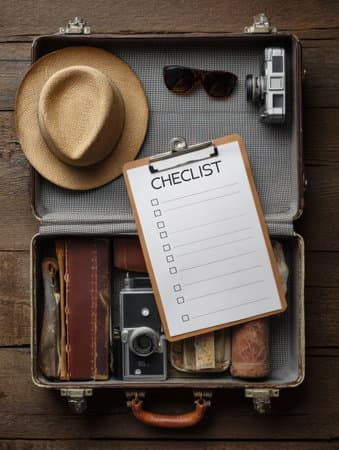
Use this checklist to tighten your own plan before departure. It is intentionally practical and specific to Southern Africa travel.
If you follow that checklist, your cash decisions become far less stressful. You are no longer guessing at random; you are matching money to the real structure of your trip. That is the difference between carrying too little and carrying the right amount for the way you actually travel.
There is no single cash number that fits every safari, because the right amount depends on your route, lodge style, and personal spending habits. Still, most travellers do best when they combine a modest daily cash allowance, a separate reserve for unexpected needs, and cards for higher-value settled expenses. That mix reduces pressure at lodges and makes it easier to enjoy the safari without constantly worrying about payment details.
The most common mistake is carrying either too little cash or too much in one place. Too little leaves you dependent on internet connectivity and card acceptance in remote areas. Too much creates unnecessary handling risk and makes budgeting harder because everything feels spendable. A measured approach is better: keep enough for day-to-day flexibility, enough for at least one surprise, and enough to cover any part of the itinerary that must be settled in person.
For travellers planning Southern Africa safaris, Zimtrek’s practical advice is to decide your cash needs by activity, not by guesswork. Once you know where you will sleep, what is included, and what kinds of extras you like to buy, your budget becomes easier to set and easier to control. That is the simplest way to travel with confidence while keeping your safari spending under control.
Get in touch with us and we'll get back to you as soon as possible.
Here's what sets us apart
We deliver exceptional experiences at fair, transparent prices, ensuring every journey offers genuine quality, comfort, and unforgettable adventure without unnecessary costs.
Your journey is crafted around your interests, pace, and travel style, giving you a custom-made adventure that feels authentic, meaningful, and entirely your own.
From planning to your final day of travel, our dedicated team is available to guide, assist, and ensure your trip runs smoothly and stress-free.
Don't just take our word for it
Keep reading