Navigate South Africa like a local with these essential travel insights and tips.
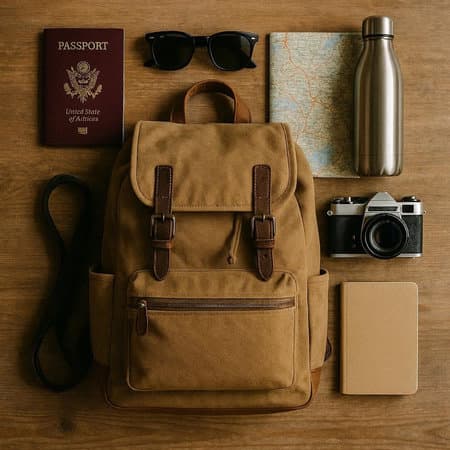
Image via 123RF
Get in touch with us and we'll get back to you as soon as possible.
Here's what sets us apart from the competition
We deliver exceptional experiences at fair, transparent prices, ensuring every journey offers genuine quality, comfort, and unforgettable adventure without unnecessary costs.
Your journey is crafted around your interests, pace, and travel style, giving you a custom-made adventure that feels authentic, meaningful, and entirely your own.
From planning to your final day of travel, our dedicated team is available to guide, assist, and ensure your trip runs smoothly and stress-free.
Find answers to common questions
Pack lightweight, neutral-coloured clothing for daytime, warmer layers for early mornings and evenings, a wide-brimmed hat, sturdy walking shoes, sunscreen, insect repellent, binoculars, and a small daypack; bring any personal prescriptions and copies of travel documents.
Passport validity and visa rules vary by nationality and destination-check entry requirements for each country on your itinerary well before travel, ensure your passport meets the minimum validity and blank page rules, and allow time for any required visas or entry approvals.
Zimtrek coordinates ground transfers, regional flights, and internal logistics through vetted local partners and guides to provide seamless connections; specific transfer times and transport types will be included in your itinerary and can be adjusted to suit your preferences where possible.
Activities range from relaxed lodge safaris and cultural visits to walking safaris and multi-day trekking; discuss your fitness level, mobility limits, and travel preferences with Zimtrek so they can tailor an itinerary that matches your activity tolerance and desired pace.
Wildlife viewing varies by region: dry seasons (generally May-October in Southern Africa and June-October in parts of East Africa) concentrate animals around water sources, improving sightings; migratory events like the Serengeti wildebeest migration have specific windows that depend on the year and location.
In This Article
Local Customs & Etiquette
Safety and Security Tips
Transport Options Explained
South Africa is straightforward to enjoy once you understand that social etiquette changes a little from one place to another. In Cape Town, Johannesburg, the Winelands, the Garden Route, and safari regions, travellers will notice different rhythms of conversation, greetings, dress, and tipping. The most useful habit is simple: be warm, greet people before asking a question, and avoid assuming that one style of behaviour fits every setting. In many everyday interactions, a polite hello in a local language or a friendly “good morning” goes further than speaking quickly or jumping straight into a request.
A practical way to think about etiquette in South Africa is that people usually value directness paired with respect. If you are entering a shop, checking in at a lodge, or talking to a guide, a brief greeting and a patient tone set the right tone. It is also wise to be mindful of personal space and volume. In busy city settings, people may move quickly, but that does not mean hurried behaviour is considered rude; it simply reflects the pace of the day. On the other hand, in smaller towns and community-focused environments, conversation often begins with a little more social warmth before business gets underway.
A small etiquette habit makes a big difference: greet first, ask later. It signals respect and usually leads to a smoother interaction everywhere from cafés to safari lodges.
Dress expectations are also context-specific. In urban areas, casual travel clothing is normal, but smart-casual attire is often more appropriate for nicer restaurants, wine estates, and evening dinners at lodges. In rural communities, modest clothing is usually appreciated, especially if you are visiting markets, schools, churches, or cultural sites. For safari travel, neutral colours are practical not only because they blend into the landscape, but also because they are comfortable for dusty roads and long game drives. Bright fashion choices are fine for city sightseeing, but subdued tones often work better when your day includes both town and bush.
| Situation | Practical etiquette | Why it matters |
|---|---|---|
| Markets and street vendors | Greet, ask prices politely, and be ready to walk away without bargaining aggressively | Creates a friendlier exchange and avoids tension |
| Restaurants and lodges | Wait to be seated if appropriate and thank staff clearly | Service is often highly personalised, so courtesy is noticed |
| Communities and cultural visits | Ask before taking photos of people or homes | Respects privacy and local comfort levels |
| Safari lodges and vehicles | Follow guide instructions and keep voices low around wildlife | Supports safe, responsible viewing |
Tipping is another area where travellers often want clarity. In South Africa, tipping is common in hospitality, and a small amount for helpful service is appreciated. The exact figure depends on the setting and the level of service, but it is better to view tipping as a recognition of good assistance rather than a rigid rule. Carrying some small notes can be useful, especially outside major urban centres where card payments may not suit every situation. For guided safari experiences, ask what is customary before your trip so you can budget appropriately and avoid awkward last-minute searches for change.
Avoid treating every region the same. Coastal cities, inland business districts, wine regions, and safari areas each have slightly different social rhythms, so observe first and adapt.
If you want a broader planning view before you travel, Zimtrek’s homepage and popular destinations pages are useful for understanding how South Africa can fit into a wider Southern Africa journey. Etiquette matters most when it supports the kind of trip you want: relaxed, respectful, and easy to navigate.
Safety in South Africa is best approached with planning rather than anxiety. Most travellers have smooth trips when they stay alert, choose reputable accommodation, and avoid relying on guesswork for transport or nightlife decisions. The key is not to expect every place to feel the same. A central business district, a beach suburb, and a wildlife reserve each require different habits. Your routine should change according to the time of day, how busy the area is, and whether you are travelling alone, as a couple, or with family.
A good rule is to reduce unnecessary exposure. Keep valuables out of sight, split cash between places, and avoid displaying phones or cameras while walking in crowded public areas. When checking into a hotel or lodge, ask the staff how to move around the immediate area safely, whether there are streets to avoid after dark, and what transport they recommend for your next stop. That local advice is often more useful than generic online commentary because it reflects current conditions in that exact neighbourhood.
Share your daily route with someone you trust, especially when moving between airports, hotels, and tour pickups.
Urban safety planning also includes understanding timing. If you land late, it is usually wiser to arrange a pre-booked transfer than to decide transportation after arrival. If you are driving, avoid testing unfamiliar shortcuts, and make fuel and rest stops during daylight where possible. For road trips through the Winelands, the Garden Route, or toward safari areas, map your route in advance and allow more time than a navigation app suggests. South Africa’s distances can be deceptive, and a road that looks short on a map may take longer due to traffic, weather, or stopovers.
| Scenario | Better choice | Why |
|---|---|---|
| Late airport arrival | Pre-arranged transfer | Less uncertainty and fewer last-minute decisions |
| City sightseeing by day | Use trusted ride services or hotel-arranged transport | Simpler than navigating unfamiliar streets on foot |
| Long-distance self-drive | Break the journey into manageable daylight segments | Helps reduce fatigue and improves route flexibility |
| Remote lodge stay | Follow lodge transfer guidance | Road conditions can change outside major centres |
Security also involves digital habits. Avoid posting live updates that reveal your exact location in real time if you are travelling alone or moving with expensive gear. Keep travel documents backed up electronically and store paper copies separately from the originals. If you are on a photography trip, use a discreet bag rather than one that advertises its contents. These are not dramatic precautions; they are practical ones that help you stay relaxed and enjoy the trip instead of constantly managing avoidable risks.
For travellers who prefer a fully organised journey, Zimtrek’s planning resources are helpful because they can build routes that connect airport transfers, hotel nights, and lodge stays in a logical sequence. That reduces the number of times you need to make on-the-spot decisions in unfamiliar places. It is especially useful if your South Africa trip is part of a wider Southern Africa itinerary and you want the ground logistics handled cleanly.
Transport in South Africa is one of the biggest factors shaping how comfortable your trip feels. The country is large, with strong tourism infrastructure in many regions, but the right transport choice depends on whether you are planning city stays, a coastal road trip, wine country visits, or access to safari lodges. There is no single best option. Instead, the most efficient choice is the one that matches your route, luggage, travel style, and tolerance for driving on unfamiliar roads.
For short city-based stays, many travellers combine airport transfers with private drivers or app-based rides in the areas where they are available. This works well if you want flexibility without managing parking or navigation. If your itinerary includes multiple stops, a self-drive can be rewarding, especially in regions known for scenic roads and easy hotel access. However, self-drive travel should be chosen because it fits your confidence and the road conditions, not because it looks cheaper on paper. Fuel, tolls, parking, one-way fees, and longer driving times can quickly change the value equation.
If your trip includes both city time and safari time, use a mixed transport plan: transfer for arrival, car for regional exploration, and lodge transfers where roads are remote.
Domestic flights are often the smartest option for long distances, especially when you want to connect major hubs such as Johannesburg, Cape Town, Durban, or route onward to safari areas. Flying saves time and can reduce the fatigue of covering long road distances in one stretch. It is also useful when your holiday is short and you want to spend more time at the destination itself rather than on the road. The trade-off is that flight schedules may require careful coordination with luggage allowances, transfer timings, and any onward road transfers.
| Transport option | Best for | Main trade-off |
|---|---|---|
| Private transfer | First-time visitors and late arrivals | Less flexibility than having your own vehicle |
| Self-drive | Independent travellers on scenic routes | Requires comfort with navigation and local road rules |
| Domestic flight | Long-distance itineraries | Needs tighter coordination and baggage planning |
| Guided road transfer | Lodge-to-lodge travel | Usually less spontaneous, but more seamless |
If you drive, learn local road expectations before departure: keep to the left, plan for toll roads in some corridors, and check whether your accommodation has secure parking. Fuel stops matter more in rural stretches than in major cities, so do not run tanks too low before long drives. For families, transport planning is often about comfort and patience rather than speed; a well-timed stop for lunch can make a road day feel much easier. For couples or solo travellers, a slightly pricier private transfer may be the best value because it removes stress and saves energy.
South Africa rewards travellers who think in layers: one transport mode for arrival, another for local movement, and a third for long-distance links. That is where careful planning pays off. If you want support shaping a route that balances time, comfort, and practical logistics, Zimtrek’s destination planning pages are a strong starting point for building a journey that feels effortless rather than improvised.
South Africa’s dining scene is one of the easiest ways to understand the country’s mix of cultures, regions, and travel styles. A meal in Cape Town can look very different from a farm-style lunch in the Winelands, a grilled meal at a safari lodge, or a casual braai in a coastal town. The smartest way to approach food is to be open, but also practical about timing, reservations, and what suits the day’s travel. If you are on a tight itinerary, restaurant meals can be excellent, but safari or road-trip days often work best when you balance one special meal with simpler options that do not slow you down.
In urban centres, menus often combine local ingredients with international influences, so travellers can sample South African flavours without feeling overwhelmed. Dishes commonly associated with the country include bobotie, biltong, boerewors, pap, chakalaka, and grilled seafood along the coast. Wine regions such as Stellenbosch and Franschhoek are known for carefully paired meals, while lodge dining in safari areas often focuses on hearty breakfasts, light lunches, and set dinners that fit the rhythm of game drives. The important thing is not to chase every famous dish in one trip, but to match food choices to the part of the country you are in.
A useful dining rule: book ahead for high-demand restaurants in Cape Town and wine-country weekends, but stay flexible for lodge meals and road-trip lunch stops.
Restaurant timing matters more than many first-time visitors expect. In popular city and wine regions, some venues fill up quickly for dinner, particularly on weekends and during holiday periods. Lodge dining, by contrast, may be tied to fixed game-drive times, so it helps to know whether breakfast is early, whether lunch is relaxed, and how dinner works after sunset activities. If you are travelling with children or older family members, consider restaurants and lodges that offer simple menus alongside more adventurous dishes, because it makes the whole group more comfortable. Zimtrek often recommends planning meal times alongside road legs and activity windows so that the day flows naturally instead of feeling rushed.
For travellers interested in local food culture, markets and casual eateries can be just as memorable as formal restaurants. The value is not only in the food itself, but in the atmosphere and interaction. Ask what is freshly prepared, which dishes are popular that day, and how long service will take. In some settings, especially smaller towns and informal stops, a simple lunch is the best choice because it keeps the itinerary flexible. If you are pairing a South African holiday with a safari, avoid planning overly elaborate lunch reservations on days with long transfers, since this can create unnecessary pressure on the schedule.
| Dining setting | Best approach | Why it works |
|---|---|---|
| Cape Town fine dining | Reserve in advance and plan transport home | Popular tables can fill fast, especially on weekends |
| Winelands lunch | Allow a slower pace and longer stay | Tasting rooms and estate restaurants are part of the experience |
| Safari lodge meals | Check meal times around game drives | Keeps the itinerary aligned with lodge operations |
| Road-trip stop | Choose simple, well-reviewed places with parking | Saves time and reduces logistics stress |
There are also a few practical food tips that make travel smoother. Keep bottled water available for long driving days, especially in warmer inland areas. If you are trying street food or casual market snacks, choose busy stalls with a steady turnover so you know the food is being prepared fresh. When travelling with dietary requirements, learn a few clear phrases to explain allergies or restrictions, because not every venue will have the same level of detail on the menu. A printed note on your phone can help if you do not want to rely on memory or pronunciation under pressure.
Do not over-schedule food stops on long days. One good meal and one flexible snack stop usually work better than forcing a string of reservations into a road journey.
Connectivity in South Africa is generally good in major towns and cities, but it can vary in rural areas, mountain passes, and some safari regions. That makes communication planning part of a smart travel strategy, not just an afterthought. Before you leave, confirm whether your phone will work on local networks, whether roaming rates are acceptable, and whether you need a local SIM or eSIM for better value. If you are travelling for business, photography, or a family trip where coordination matters, staying connected can reduce friction at every stage of the journey.
The practical choice usually depends on how much data you use. Light users who only need maps and messaging may manage with hotel Wi-Fi and occasional roaming. Heavier users, including travellers who upload photos, use ride apps, or work remotely, are often better served by a local data solution. Ask your provider before travel whether your device is unlocked and compatible. In South Africa, the convenience of mobile data can be especially helpful when you are moving between the city, wine country, and safari staging points, because you may not want to depend on guesthouse Wi-Fi alone.
Keep your main travel details offline as well: save hotel names, transfer contacts, and booking references on your phone so you can access them when signal drops.
Communication is also about making practical arrangements before you travel. If you are meeting a private guide, arrange a clear pickup location and a backup contact. If your itinerary includes multiple stops, share your route with the people who are expecting you, including approximate arrival times. This is especially helpful on self-drive itineraries where you may have limited reception for part of the day. For families, having one person responsible for the reservation details can save time when changing plans en route.
| Connectivity need | Best option | When to choose it |
|---|---|---|
| Basic messaging and maps | Hotel Wi-Fi plus roaming backup | Suitable for light users staying mostly in urban centres |
| Reliable daily data | Local SIM or eSIM | Useful for active sightseeing and road travel |
| Work travel | Dual setup with roaming and local data | Provides a backup if one network is weak |
| Remote safari lodge | Pre-download maps and key documents | Signal can be limited outside main hubs |
A final communication tip is to plan around power and charging. Carry a charger that can handle long travel days, and keep a power bank in your day bag if you rely on your phone for maps, tickets, or photography. If you are moving between lodges, airports, and transfers, your phone often becomes your itinerary, camera, and boarding pass all at once. That makes battery management as important as signal strength. Travelers who prepare for that reality tend to feel far more relaxed during the trip.
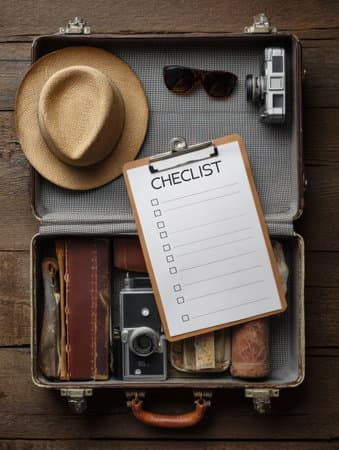
Packing for South Africa is less about bringing a huge wardrobe and more about bringing the right layers for different regions and activities. In one trip, you might face cool mornings in the inland highveld, warm midday sun in the Cape, wind along the coast, and chilly evenings on safari. Because these conditions can change quickly, the most efficient packing strategy is flexible clothing that can be layered rather than bulky items that only work in one setting. Travellers who pack well usually spend less time managing their bags and more time enjoying the places they came to see.
Start with comfort and practicality. Good walking shoes, a light jacket, a compact rain layer, and breathable tops are more useful than fashion items that only suit one dinner. If your itinerary includes safari drives, neutral-coloured clothing helps with dust and blends better with the environment, while a warm fleece or jacket is useful for early morning departures. On coastal routes, the air can feel different from inland areas even when the temperature looks similar on paper, so a windproof layer can be worth the luggage space. The trick is to pack for movement between environments, not just for the destination’s average weather.
Base layer, warm mid-layer, and light outer layer are enough for most South Africa itineraries.
A useful packing list should also reflect how you will travel. If you are self-driving, leave room in the car and avoid overpacking hard cases that are awkward to move between stops. If you are on a fly-in safari or multi-stop itinerary, check baggage limits early because some small aircraft and regional connections can be stricter than international flights. Families should keep a separate “day bag” with snacks, wipes, chargers, medications, and documents so they do not have to unpack the main luggage repeatedly. That kind of organisation saves time at check-ins, airport transfers, and lodge arrivals.
| Item | Why it helps | Best use case |
|---|---|---|
| Light jacket or fleece | Handles cool mornings and evenings | Safari, inland travel, shoulder seasons |
| Comfortable walking shoes | Good for city tours and lodge paths | Mixed itineraries |
| Power bank and charging cables | Keeps devices ready through long travel days | Road trips and self-drive travel |
| Sun protection essentials | Useful for strong sun at altitude and on the coast | All regions |
| Small day bag | Keeps daily essentials separate from main luggage | Flights, transfers, excursions |
Don’t forget practical extras that travellers often leave behind: insect repellent for some rural areas, a reusable water bottle, a basic first-aid kit, and photocopies or digital scans of your documents. If you are visiting during cooler months or going on early game drives, gloves or a hat may be more useful than another shirt. If you are visiting in the warmer season, quick-dry fabrics and sun cover matter more than heavy clothing. The best packed bag is not the fullest one; it is the one that matches the actual rhythm of your itinerary.
Pack one outfit for dinner, one for layers, and one for movement. That small structure prevents overpacking while still covering city, coast, and safari days.
Get in touch with us and we'll get back to you as soon as possible.
Here's what sets us apart
We deliver exceptional experiences at fair, transparent prices, ensuring every journey offers genuine quality, comfort, and unforgettable adventure without unnecessary costs.
Your journey is crafted around your interests, pace, and travel style, giving you a custom-made adventure that feels authentic, meaningful, and entirely your own.
From planning to your final day of travel, our dedicated team is available to guide, assist, and ensure your trip runs smoothly and stress-free.
Don't just take our word for it
Keep reading