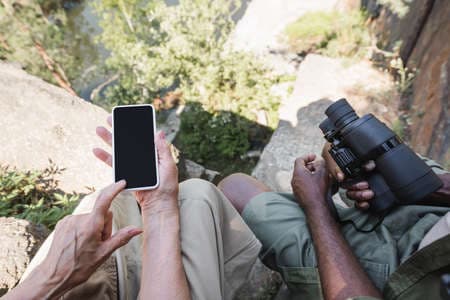
Capture the breathtaking wildlife of South Africa with expert tips and destinations.
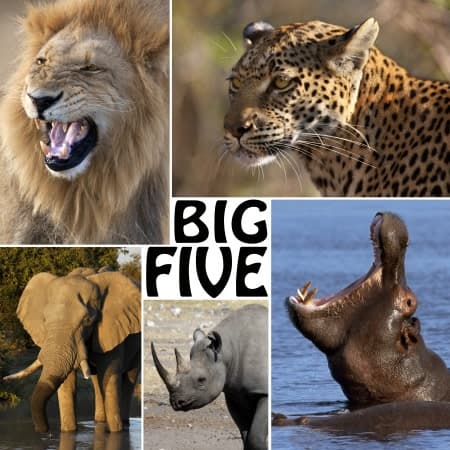
Image via 123RF
Get in touch with us and we'll get back to you as soon as possible.
Here's what sets us apart from the competition
We deliver exceptional experiences at fair, transparent prices, ensuring every journey offers genuine quality, comfort, and unforgettable adventure without unnecessary costs.
Your journey is crafted around your interests, pace, and travel style, giving you a custom-made adventure that feels authentic, meaningful, and entirely your own.
From planning to your final day of travel, our dedicated team is available to guide, assist, and ensure your trip runs smoothly and stress-free.
Find answers to common questions
During a safari, you can expect to see a diverse range of bird species, including raptors, waterbirds, and endemic species native to Southern Africa. Each region offers unique opportunities for birdwatching, depending on the season and environment.
The best birding seasons in Southern Africa are typically during the rainy summer months from November to March, when migratory birds arrive and vegetation is lush. However, each region has its own unique birding highlights throughout the year.
Parks such as Kruger National Park in South Africa, Hwange National Park in Zimbabwe, and Chobe National Park in Botswana are highly recommended for wildlife photography, offering diverse ecosystems and abundant wildlife.
Yes, several parks in Southern Africa are renowned for birding, including Hwange National Park in Zimbabwe, Kruger National Park in South Africa, and Chobe National Park in Botswana. These locations provide a variety of habitats that attract a wide range of bird species.
Yes, Zimtrek Travel offers guided birding tours that include experienced local guides who are knowledgeable about the region's avifauna and can enhance your birding experience.
The best time for birdwatching in Southern Africa is typically during the wet season, from November to March, when migratory birds arrive and resident species are more active. However, many birds are also visible year-round, especially in diverse habitats.
Yes, Zimtrek Travel offers tailor-made itineraries that can be customized to focus on birding and wildlife photography, ensuring you visit the best locations for observing birds according to your preferences.
Southern Africa is home to a wide variety of wildlife, including elephants, lions, leopards, rhinos, and numerous bird species. Each destination has its own specialties that enrich the wildlife viewing experience.
Yes, Zimtrek Travel specializes in tailor-made itineraries that can be customized to focus on birding and wildlife experiences, ensuring that your specific interests are catered to.
While not mandatory, bringing binoculars, a field guide for bird identification, and a camera with a zoom lens can enhance your birdwatching experience. Our expert guides can also assist you with the best practices for spotting and identifying birds.
In This Article
Top Photography Locations
Essential Gear Tips
Ethical Wildlife Shooting
South Africa is a premier destination for wildlife photography, offering a diverse range of environments, from savannahs to coastal areas, that are home to an abundance of wildlife. The country's national parks and private reserves provide opportunities to capture the Big Five and other unique animals in their natural habitats. With a well-established tourism infrastructure, photographers can enjoy easy access to key locations, guided tours, and expert insights.
Several locations in South Africa are renowned for wildlife photography. Among them, Kruger National Park stands out with its vast landscapes and rich biodiversity. Other notable spots include Addo Elephant National Park, known for its large elephant populations, and the Kgalagadi Transfrontier Park, which offers dramatic desert scenery and predators like lions and cheetahs.
| Location | Key Species | Best Time |
|---|---|---|
| Kruger National Park | Big Five, Wild Dogs | May to September |
| Addo Elephant Park | Elephants, Rhino | April to October |
| Kgalagadi Transfrontier Park | Lions, Cheetahs | March to May |
The right conditions can make or break your wildlife photography experience. Early mornings and late afternoons, known as the golden hours, provide soft lighting that enhances the natural beauty of animals and landscapes. Additionally, the dry season, typically from May to September, is ideal as animals gather around water sources, making them easier to spot and photograph.
Tip: Use natural barriers like trees to frame your shots for a more dynamic composition.
Choosing the right gear is crucial for successful wildlife photography. A DSLR or mirrorless camera with fast autofocus and burst mode capabilities is recommended. A telephoto lens, preferably 200mm or longer, allows for close-up shots without disturbing the animals. Additionally, a sturdy tripod is essential for stability, especially in low-light conditions.
Understanding your camera settings can significantly improve your wildlife shots. Use a fast shutter speed to freeze motion, especially for birds or running animals. An aperture of f/5.6 or lower can help achieve a pleasing bokeh effect, isolating the subject from the background. It's also beneficial to shoot in RAW format for greater flexibility in post-processing.
In addition to your camera, consider carrying extra batteries and memory cards as wildlife shoots can be unpredictable and lengthy. A rain cover for your gear is advisable during the rainy season. Binoculars can also be handy for spotting wildlife before setting up your camera for the perfect shot.
Remember: Patience is key. Wait for the right moment to capture natural animal behaviors.
Ethical wildlife photography is essential to ensure the well-being of animals and the preservation of their natural habitats. Photographers must respect wildlife and maintain a safe distance to avoid causing stress or altering natural behaviors. It's crucial to adhere to park guidelines and use no-flash photography to prevent startling animals.
Always prioritize the welfare of the animals over getting the perfect shot. Avoid disturbing nests or feeding wildlife, as this can have long-term negative effects on their health and behavior. Be mindful of the environment, and leave no trace behind.
Warning: Approaching wildlife too closely can be dangerous and is strongly discouraged.
Post-processing can enhance your wildlife photographs, bringing out details and correcting exposure issues. Software like Adobe Lightroom and Photoshop offer powerful tools for adjusting contrast, sharpening images, and removing unwanted elements. However, it's important to maintain the authenticity of the image and avoid excessive alterations.
While editing, strive to preserve the natural appearance of the scene. Over-editing can lead to unrealistic images, which may mislead viewers and undermine the credibility of your work. Focus on subtle enhancements that highlight the natural beauty of the wildlife.
| Software | Key Features |
|---|---|
| Adobe Lightroom | Non-destructive editing, Contrast & Exposure adjustment |
| Photoshop | Advanced retouching, Layer-based editing |
Get in touch with us and we'll get back to you as soon as possible.
Here's what sets us apart
We deliver exceptional experiences at fair, transparent prices, ensuring every journey offers genuine quality, comfort, and unforgettable adventure without unnecessary costs.
Your journey is crafted around your interests, pace, and travel style, giving you a custom-made adventure that feels authentic, meaningful, and entirely your own.
From planning to your final day of travel, our dedicated team is available to guide, assist, and ensure your trip runs smoothly and stress-free.
Don't just take our word for it
Keep reading