Capture stunning wildlife moments with our expert photography tips.
Get in touch with us and we'll get back to you as soon as possible.
Here's what sets us apart from the competition
We deliver exceptional experiences at fair, transparent prices, ensuring every journey offers genuine quality, comfort, and unforgettable adventure without unnecessary costs.
Your journey is crafted around your interests, pace, and travel style, giving you a custom-made adventure that feels authentic, meaningful, and entirely your own.
From planning to your final day of travel, our dedicated team is available to guide, assist, and ensure your trip runs smoothly and stress-free.
Find answers to common questions
During a safari, you can expect to see a diverse range of bird species, including raptors, waterbirds, and endemic species native to Southern Africa. Each region offers unique opportunities for birdwatching, depending on the season and environment.
The best birding seasons in Southern Africa are typically during the rainy summer months from November to March, when migratory birds arrive and vegetation is lush. However, each region has its own unique birding highlights throughout the year.
Parks such as Kruger National Park in South Africa, Hwange National Park in Zimbabwe, and Chobe National Park in Botswana are highly recommended for wildlife photography, offering diverse ecosystems and abundant wildlife.
Yes, several parks in Southern Africa are renowned for birding, including Hwange National Park in Zimbabwe, Kruger National Park in South Africa, and Chobe National Park in Botswana. These locations provide a variety of habitats that attract a wide range of bird species.
Yes, Zimtrek Travel offers guided birding tours that include experienced local guides who are knowledgeable about the region's avifauna and can enhance your birding experience.
The best time for birdwatching in Southern Africa is typically during the wet season, from November to March, when migratory birds arrive and resident species are more active. However, many birds are also visible year-round, especially in diverse habitats.
Yes, Zimtrek Travel offers tailor-made itineraries that can be customized to focus on birding and wildlife photography, ensuring you visit the best locations for observing birds according to your preferences.
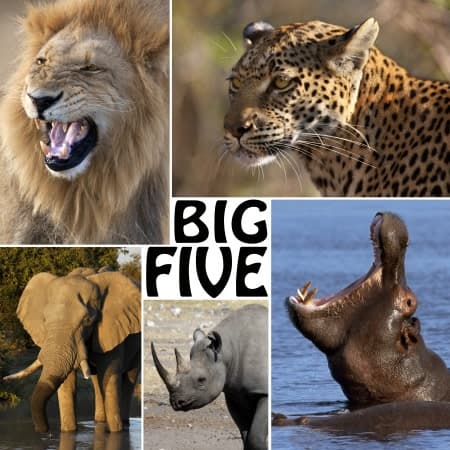
Southern Africa is home to a wide variety of wildlife, including elephants, lions, leopards, rhinos, and numerous bird species. Each destination has its own specialties that enrich the wildlife viewing experience.
Yes, Zimtrek Travel specializes in tailor-made itineraries that can be customized to focus on birding and wildlife experiences, ensuring that your specific interests are catered to.
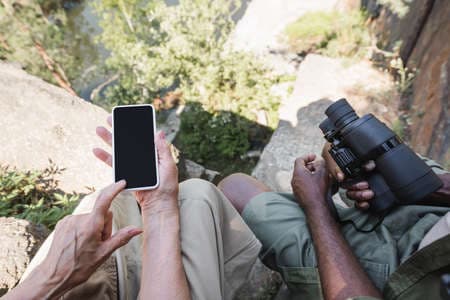
While not mandatory, bringing binoculars, a field guide for bird identification, and a camera with a zoom lens can enhance your birdwatching experience. Our expert guides can also assist you with the best practices for spotting and identifying birds.
In This Article
Essential Equipment
Ethical Photography Practices
Mastering Composition
Wildlife photography in Southern Africa offers a unique set of challenges and rewards. As a region rich in diverse ecosystems and iconic species, it provides photographers with endless opportunities to capture spectacular images. However, capturing the essence of wildlife requires more than just technical skill; it involves a deep understanding of your subjects, their habitats, and the light conditions they are often found in.
The right equipment can make a significant difference in the quality of your wildlife photos. Here’s what you need to get started:
Tip: Invest in a high-quality telephoto lens to improve your ability to capture distant wildlife without disturbing them.
Light is a critical component of photography, and wildlife photography is no exception. The golden hours, shortly after sunrise and before sunset, provide soft, warm lighting that can transform an ordinary scene into something magical.
During midday, harsh sunlight can create strong shadows and highlights. In such cases, look for opportunities to capture animals in shaded areas or use the light creatively to highlight textures and details.
Planning is crucial for successful wildlife photography. Understanding the best locations, seasons, and times of day can greatly increase your chances of capturing memorable images.
Southern Africa is home to numerous national parks and private reserves offering diverse wildlife experiences. Some top locations include:
Tip: Consider the migratory patterns of animals and the wet and dry seasons, which can influence wildlife visibility.
The timing of your visit can affect the types of wildlife you encounter. For instance, the dry season often brings animals closer to water sources, making them easier to spot. Conversely, the wet season can offer lush landscapes and unique animal behaviors.
| Season | Characteristics | Photography Opportunities |
|---|---|---|
| Dry Season (May-Oct) | Less vegetation, concentrated wildlife at water sources | Easier wildlife spotting, dramatic waterhole scenes |
| Wet Season (Nov-Apr) | Lush landscapes, dispersed wildlife | Vibrant colors, unique animal behaviors |
Beyond equipment and location, mastering techniques is vital for capturing compelling wildlife images. Here are some expert strategies to enhance your wildlife photography skills:
A keen understanding of animal behavior can set your work apart. Observing and anticipating the actions of your subjects allows you to capture natural and dynamic moments. Spend time watching animals before pressing the shutter button to predict their movements and interactions.
Info: Familiarize yourself with the habits of specific species to capture extraordinary moments like a lion hunt or an elephant bathing.
Composition plays a significant role in making your photos stand out. Consider the rule of thirds, leading lines, and framing techniques to add depth and interest to your images. Position your subject off-center to create a more dynamic composition.
Incorporate the environment to tell a story. Include elements like trees, water, and other animals to provide context and enhance the narrative.
Adjusting your camera settings is crucial when photographing wildlife. Use a fast shutter speed to freeze action, especially when capturing birds in flight or animals on the move. A wide aperture can create a beautiful bokeh effect, isolating your subject from the background.
| Setting | Recommendation | Purpose |
|---|---|---|
| Shutter Speed | 1/1000s or faster | Freeze fast-moving subjects |
| Aperture | f/4 - f/8 | Balance depth of field and light |
| ISO | 400-800 | Adapt to lighting conditions |
Ethics play a vital role in wildlife photography. Respecting animals and their habitats ensures the safety and preservation of wildlife while capturing images. Avoid disturbing or stressing animals, and always follow the guidelines and regulations of the area you are photographing in.
Be mindful of your impact on the environment. Tread lightly, leave no trace, and prioritize the welfare of wildlife over photographic opportunities.
Warning: Never bait or feed animals to get a shot. This can alter their natural behavior and pose risks to their health.
Post-processing allows you to enhance your images and correct any imperfections. Use software like Adobe Lightroom or Photoshop to adjust exposure, contrast, and color balance. However, maintain the authenticity of the scene by avoiding excessive manipulation.
Get in touch with us and we'll get back to you as soon as possible.
Here's what sets us apart
We deliver exceptional experiences at fair, transparent prices, ensuring every journey offers genuine quality, comfort, and unforgettable adventure without unnecessary costs.
Your journey is crafted around your interests, pace, and travel style, giving you a custom-made adventure that feels authentic, meaningful, and entirely your own.
From planning to your final day of travel, our dedicated team is available to guide, assist, and ensure your trip runs smoothly and stress-free.
Don't just take our word for it
Keep reading