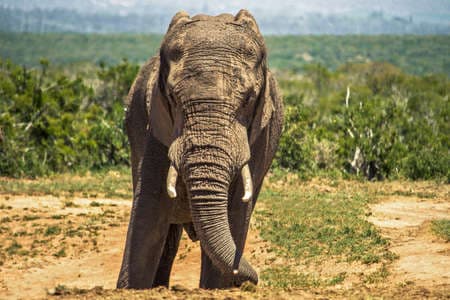
Capture the Big Five while respecting their natural habitats.
Get in touch with us and we'll get back to you as soon as possible.
Here's what sets us apart from the competition
We deliver exceptional experiences at fair, transparent prices, ensuring every journey offers genuine quality, comfort, and unforgettable adventure without unnecessary costs.
Your journey is crafted around your interests, pace, and travel style, giving you a custom-made adventure that feels authentic, meaningful, and entirely your own.
From planning to your final day of travel, our dedicated team is available to guide, assist, and ensure your trip runs smoothly and stress-free.
Find answers to common questions
Pack lightweight, neutral-coloured clothing, a warm layer for early-morning drives, sturdy shoes, sun protection, insect repellent, a good camera/binoculars, and any required medications or vaccinations after consulting your healthcare provider and local travel advice.
We work with a curated network of vetted lodges, camps, guides, and ground operators selected for local knowledge, safety standards, experience, and suitability to the traveller’s interests and budget.
Yes; itineraries can be tailored for wildlife photography, birding, family-focused activities, honeymooners, and adventure travel, with appropriate accommodations, vehicle options, and guide specialisations arranged on request.
Zimtrek specialises in safaris across Southern and East Africa, with core destinations including Zimbabwe, Botswana, Zambia, South Africa, Namibia, Kenya, and Tanzania.
Zimtrek designs tailor-made safaris including game drives, walking safaris, mobile tented camps, photographic safaris, and combined wildlife-and-cultural itineraries to suit solo travellers, couples, families, and small groups.
In This Article
Ethical Photography Tips
Equipment Essentials
Safari Planning Guide
Embarking on a safari to photograph Africa's Big Five-lion, leopard, elephant, buffalo, and rhinoceros-is a dream for many wildlife photographers. However, capturing these majestic creatures ethically requires a deep understanding of their natural behaviors and environments. Ethical wildlife photography is not only about getting the perfect shot but doing so in a way that respects the wildlife and their habitats.
Wildlife photography, when done ethically, ensures the well-being of the animals and protects their environments. It involves minimal interference with the animals' natural behaviors and habitats. Ethical practices help in preserving the authenticity of the wildlife experience and contribute to conservation efforts.
Tip: Always maintain a safe distance from wildlife to avoid causing them stress or altering their natural behaviors.
Following these principles not only ensures the safety and comfort of the animals but also enhances the authenticity of your photographs. Ethical wildlife photography reflects a genuine appreciation for nature and its inhabitants.
The right equipment can make a significant difference in capturing high-quality images ethically. It's crucial to choose gear that allows for flexibility and discretion in the field.
Investing in the right equipment ensures you can capture the essence of wildlife while maintaining ethical standards. A telephoto lens, for instance, allows you to photograph animals from a distance, reducing the risk of disturbing them.
Planning is crucial for an ethical wildlife photography trip. Understanding the environment and behavior of the Big Five can enhance your photography experience while ensuring ethical practices.
Each of the Big Five species has unique habitat preferences and behaviors. Understanding these can help you anticipate their movements and capture them naturally.
| Species | Habitat | Behavior |
|---|---|---|
| Lion | Savannas, grasslands | Social, live in prides |
| Elephant | Forests, savannas | Highly social, matriarchal family units |
| Leopard | Woodlands, grasslands | Solitary, nocturnal |
| Buffalo | Grasslands, woodlands | Gregarious, move in herds |
| Rhinoceros | Grasslands, savannas | Solitary, territorial |
Knowing these details can help you plan your shots and ensure that your presence does not disrupt the animals. Observing from a distance and using the natural surroundings to your advantage can enhance your photographic results.
When entering wildlife reserves, it is crucial to follow best practices for ethical wildlife photography. This ensures that your photography does not harm the environment or its inhabitants.
Info: Engaging with local guides not only enhances your experience but also supports local communities.
By adhering to these guidelines, photographers can ensure that their presence in wildlife reserves is minimally invasive. It also helps to promote sustainable tourism and support conservation efforts.
Get in touch with us and we'll get back to you as soon as possible.
Here's what sets us apart
We deliver exceptional experiences at fair, transparent prices, ensuring every journey offers genuine quality, comfort, and unforgettable adventure without unnecessary costs.
Your journey is crafted around your interests, pace, and travel style, giving you a custom-made adventure that feels authentic, meaningful, and entirely your own.
From planning to your final day of travel, our dedicated team is available to guide, assist, and ensure your trip runs smoothly and stress-free.
Don't just take our word for it
Keep reading