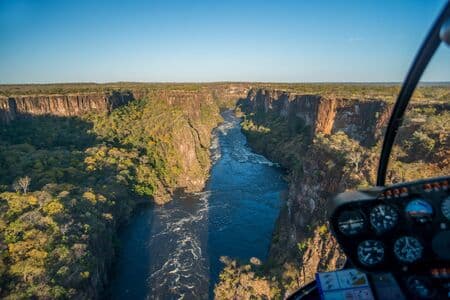
Discover how to choose the perfect safari experience tailored to your travel goals and budget.

Image via 123RF
Get in touch with us and we'll get back to you as soon as possible.
Here's what sets us apart from the competition
We deliver exceptional experiences at fair, transparent prices, ensuring every journey offers genuine quality, comfort, and unforgettable adventure without unnecessary costs.
Your journey is crafted around your interests, pace, and travel style, giving you a custom-made adventure that feels authentic, meaningful, and entirely your own.
From planning to your final day of travel, our dedicated team is available to guide, assist, and ensure your trip runs smoothly and stress-free.
Find answers to common questions
Pack lightweight, neutral-coloured clothing, a warm layer for early-morning drives, sturdy shoes, sun protection, insect repellent, a good camera/binoculars, and any required medications or vaccinations after consulting your healthcare provider and local travel advice.
We work with a curated network of vetted lodges, camps, guides, and ground operators selected for local knowledge, safety standards, experience, and suitability to the traveller’s interests and budget.
Yes; itineraries can be tailored for wildlife photography, birding, family-focused activities, honeymooners, and adventure travel, with appropriate accommodations, vehicle options, and guide specialisations arranged on request.
Zimtrek specialises in safaris across Southern and East Africa, with core destinations including Zimbabwe, Botswana, Zambia, South Africa, Namibia, Kenya, and Tanzania.
Zimtrek designs tailor-made safaris including game drives, walking safaris, mobile tented camps, photographic safaris, and combined wildlife-and-cultural itineraries to suit solo travellers, couples, families, and small groups.
In This Article
Safari Types Explained
Cost Breakdown
Wildlife Calendar
If you are comparing African safari tours, the first decision is not which country to visit; it is how you want to travel. A guided road safari, a fly-in safari, a private tailor-made journey, and a small-group departure can all reach the same wildlife areas, but the experience, pace, and price can differ sharply. That is why the best safari is the one that matches your comfort level, time, and expectations rather than the one with the longest destination list.
In Southern Africa, a short fly-in safari can save hours on the road, while a self-drive route can stretch your budget further but demands more planning.
At the practical level, most travellers choose between three broad styles. A guided safari means transport, game viewing, and often accommodation are handled for you, which is ideal for first-timers or anyone who wants less logistical friction. A self-drive safari, common in South Africa and Namibia, gives you flexibility and control, but you will need to be confident with route planning, park rules, and driving conditions. A private custom safari sits between the two: you still have expert planning and local support, but the itinerary is tailored to your dates, pace, and interests.
| Safari style | Best for | Typical trade-off |
|---|---|---|
| Guided group safari | Travellers wanting value and shared logistics | Less flexibility in timing and lodge choice |
| Private custom safari | Couples, families, and photographers | Usually costs more per person |
| Self-drive safari | Confident planners and repeat travellers | You manage route, timing, and vehicle issues |
Before comparing lodges or searching dates, decide what success looks like for you. Some travellers want high chances of seeing predators and the Big Five in a short time. Others want quieter moments, birding, photography, or a mix of wildlife and scenery. If you are travelling with children, a shorter daily driving schedule and family-friendly accommodation may matter more than chasing a long species list. If you are celebrating a honeymoon, privacy and well-positioned camps can matter more than mileage covered.
A useful planning trick is to rank your top three priorities: wildlife density, comfort level, and trip pace. Your itinerary should be built around those, not around every destination you have heard of.
Southern Africa gives you strong options for different goals. Kruger and Sabi Sands are excellent for first-time game viewing and easier logistics. Botswana’s Okavango Delta and Chobe are well suited to travellers who like high-quality camps and varied water-and-land safaris. Zimbabwe works well for travellers wanting a combination of wildlife and Victoria Falls. South Africa can also combine safari with Cape Town, which is useful if you want a broader holiday rather than a wildlife-only trip.
If your priority is the Great Migration, East Africa becomes relevant, but for this guide the more useful question is whether you want migration timing or a more flexible Southern Africa safari where wildlife viewing remains rewarding across more months. That distinction matters because it changes how tightly you need to plan your travel dates.
A good safari decision follows a sequence. First, choose your travel window. Second, decide whether you want a guided, self-drive, or private trip. Third, narrow down the countries that fit your time and budget. Fourth, compare lodge standards and transfer times. Fifth, check whether the operator can balance wildlife, comfort, and movement without rushing the itinerary.
A safari that looks inexpensive online can become costly if it excludes park fees, scheduled charter flights, and transfers between lodges.
Safari pricing is driven by a few concrete factors: destination exclusivity, season, lodge style, vehicle type, and whether the itinerary uses domestic flights. In Southern Africa, a budget safari can still be rewarding if you choose national parks and self-catered or mid-level lodge options. At the other end, high-end camps in Botswana or private reserves in South Africa command higher rates because they include more exclusive settings, small guest numbers, and more personalised service.
| Tier | Typical range per person per day | What it usually includes |
|---|---|---|
| Budget | US Dollars 180-350 | Shared transport, simpler lodges or camps, selected meals, core game viewing |
| Mid-range | US Dollars 350-700 | Comfortable lodges, more meals, some drinks, guided activities, better locations |
| Luxury | US Dollars 700-1,800+ | Premium camps, private guiding, charter links, full-board service, more intimate setups |
Those figures are estimates, not fixed prices, and they can move up during peak season or when a route depends on scarce domestic flights. A private safari in Botswana or a fly-in itinerary in Zimbabwe is usually priced differently from a road-based South Africa safari because the transport and camp structure are not the same. If you are comparing quotes, make sure you are comparing like with like rather than assuming two itineraries with the same number of nights are equal.
The best value often comes from smart routing, not simply from choosing the lowest advertised nightly rate. For example, combining two well-chosen regions instead of four rushed stops can reduce transfer costs and improve the quality of your game viewing. That is the kind of planning where an operator with real regional knowledge adds measurable value.
One of the most common mistakes is overpacking destinations into too few days. A seven-day itinerary that tries to cover too many parks can become a transfer schedule rather than a wildlife holiday. Another mistake is assuming the lowest quote is the best value. If a price excludes internal flights, park fees, or the right vehicle type, the final cost can be much higher than expected once the trip is confirmed.
Travellers also underestimate seasonality. In some areas, the dry season concentrates wildlife near water and simplifies game viewing, while the green season can offer excellent scenery, fewer crowds, and lower rates. The point is not that one season is universally better, but that your goals need to match the month you travel. If you are hoping for a specific experience, such as the migration in a certain region or better visibility for photography, date flexibility matters.
Do not choose an operator only because it appears on a booking platform. Check exactly what is included, who runs the ground handling, and whether the itinerary is realistic for the distances involved.
Before you book, use a simple checklist to make sure the trip fits your needs. Confirm passport validity and any entry rules that apply to your route. Ask whether malaria precautions are recommended for the areas you will visit. Check luggage limits if you are taking charter flights, because soft bags are often required and hard suitcases can be problematic. Bring neutral clothing in khaki, olive, brown, or muted grey; bright colours can attract attention on drives and camouflage patterns should be avoided in several destinations because they can be inappropriate or restricted.
| What to check | Why it matters | Practical note |
|---|---|---|
| Luggage allowance | Charter flights are strict | Use soft-sided bags where possible |
| Inclusions | Changes your real trip cost | Confirm meals, drinks, and fees |
| Transfer times | Long drives can reduce safari time | Ask for realistic road durations |
| Tipping expectations | Budgeting accuracy | Plan for guides, trackers, and lodge staff |
A good safari checklist also includes comfort details that first-time travellers sometimes miss: binoculars, a light jacket for early morning game drives, a small daypack, insect repellent, and a power bank for cameras or phones. If you are planning a special-interest trip, such as photography or birding, tell the operator in advance so the route and vehicle setup can be adjusted accordingly.
Different regions peak at different times, which is why a month-by-month view is more useful than a generic “best time” answer. In Southern Africa, the dry season from roughly May to October is often strong for game viewing in places like Kruger, Botswana, and parts of Zimbabwe because animals cluster around reliable water sources. The green season, especially in the shoulder months, can be excellent for dramatic landscapes, birdlife, and fewer vehicles in some areas.
| Destination | Strong viewing window | What to expect |
|---|---|---|
| Kruger and Sabi Sands | May to October | Good visibility and reliable predator tracking |
| Chobe and Okavango Delta | June to October | Strong land and water-based game viewing |
| Victoria Falls area | February to May for high water; later months for clearer views | Water volume and activity choices change through the year |
| Masai Mara and Serengeti | July to October for migration highlights | Seasonal movement shapes sightings |
For travellers planning a safari with add-ons, timing is even more important. A South Africa itinerary can pair Kruger with Cape Town for a diverse holiday, while a Zimbabwe route may combine wildlife with Victoria Falls. If you want a longer adventure, some travellers add trekking or mountain-focused experiences such as Kilimanjaro in East Africa, but that is a separate planning decision and should be treated as a different trip style rather than a simple extension.
A reliable operator should be transparent about what is included, honest about travel times, and able to explain why one route costs more than another. Look for recent reviews, clear payment terms, and evidence that the company uses established ground partners. Industry affiliations can help as part of your checks, but they should not replace due diligence on the actual itinerary. Compare sample itineraries from specialist companies such as Micato, Tauck, Abercrombie & Kent, and Go2Africa with marketplace platforms like TourRadar or Safari.com so you can see how much service is bundled versus outsourced.
The best operator for you depends on your travel style. First-time visitors often benefit from a custom planner who can manage flights, lodge sequencing, and transfers. Repeat travellers may prefer a specialist who can build a more focused trip, such as photography, birding, or a lower-drive-time route. Families need different pacing from honeymooners, and both groups should ask for the same level of clarity on cancellation terms, luggage limits, and emergency support.
If an itinerary is well designed, you should be able to explain in one sentence why each stop is there. If you cannot, the route may be too complicated.
Get in touch with us and we'll get back to you as soon as possible.
Here's what sets us apart
We deliver exceptional experiences at fair, transparent prices, ensuring every journey offers genuine quality, comfort, and unforgettable adventure without unnecessary costs.
Your journey is crafted around your interests, pace, and travel style, giving you a custom-made adventure that feels authentic, meaningful, and entirely your own.
From planning to your final day of travel, our dedicated team is available to guide, assist, and ensure your trip runs smoothly and stress-free.
Don't just take our word for it
Keep reading