Navigate the complexities of planning an unforgettable Tanzanian safari experience.

Image via 123RF
Get in touch with us and we'll get back to you as soon as possible.
Here's what sets us apart from the competition
We deliver exceptional experiences at fair, transparent prices, ensuring every journey offers genuine quality, comfort, and unforgettable adventure without unnecessary costs.
Your journey is crafted around your interests, pace, and travel style, giving you a custom-made adventure that feels authentic, meaningful, and entirely your own.
From planning to your final day of travel, our dedicated team is available to guide, assist, and ensure your trip runs smoothly and stress-free.
Find answers to common questions
Pack lightweight, neutral-coloured clothing, a warm layer for early-morning drives, sturdy shoes, sun protection, insect repellent, a good camera/binoculars, and any required medications or vaccinations after consulting your healthcare provider and local travel advice.
We work with a curated network of vetted lodges, camps, guides, and ground operators selected for local knowledge, safety standards, experience, and suitability to the traveller’s interests and budget.
Yes; itineraries can be tailored for wildlife photography, birding, family-focused activities, honeymooners, and adventure travel, with appropriate accommodations, vehicle options, and guide specialisations arranged on request.
Zimtrek specialises in safaris across Southern and East Africa, with core destinations including Zimbabwe, Botswana, Zambia, South Africa, Namibia, Kenya, and Tanzania.
Zimtrek designs tailor-made safaris including game drives, walking safaris, mobile tented camps, photographic safaris, and combined wildlife-and-cultural itineraries to suit solo travellers, couples, families, and small groups.
In This Article
Planning Essentials
Cost Breakdown
Operator Vetting Tips
Planning an African safari in Tanzania works best when you start with the country’s geography, not just its famous names. Tanzania is built for travellers who want a classic wildlife circuit with strong guiding, varied landscapes, and the option to finish with a beach stay on Zanzibar. In the north, the parks are relatively easy to connect by road or short flights, which makes them practical for first-time safari travellers and for anyone comparing different accommodation levels. The experience changes quickly as you move from the open plains of the Serengeti to the steep walls of Ngorongoro Crater, then into the baobab country of Tarangire and the lake-and-forest scenery around Lake Manyara.
What makes Tanzania especially useful for trip planning is that it offers clear choices. You can build a short, focused trip around one area, or combine several parks into a route that feels richer without becoming complicated. For travellers booking from Zimbabwe or elsewhere in Southern Africa, the appeal is often the same: strong wildlife viewing, reliable lodge standards, and logistics that can be simplified by using one experienced operator rather than stitching the trip together independently. Zimtrek Travel recommends treating Tanzania as a route-planning exercise, not a single-destination holiday; the sequence of parks, seasons, and transfer times matters as much as the lodge itself.
If you are deciding between a short safari and a fuller circuit, start by matching your available days to park transfer times. Tanzania rewards well-paced itineraries more than rushed ones.
The best month depends on whether you want dry-season game viewing, green-season scenery, or a chance to track the Great Migration in a specific area of the Serengeti. Broadly, June to October is the most reliable dry period for road conditions and concentrated wildlife, while January to March is important for the southern Serengeti calving season. The shoulder months can be excellent value, but they require a more flexible attitude to weather and road conditions.
| Month | Typical Conditions | Best For |
|---|---|---|
| Jan-Mar | Warm, greener landscapes, possible short rains | Calving season, photography, fewer crowds in some areas |
| Apr-May | Long rains, quieter lodges, lower rates | Value-focused travellers with flexible plans |
| Jun-Oct | Dry, cooler mornings, easier wildlife tracking | Classic safari viewing, family trips, first-time visitors |
| Nov-Dec | Short rains, green scenery, variable conditions | Flexible itineraries and mixed safari-plus-beach plans |
A practical way to think about timing is this: dry season improves visibility and road access, while green season often improves rates and photography. The Great Migration is not a single event in one place; it moves. If your goal is to see river crossings, your itinerary and exact travel month need to match the herd movement in the northern Serengeti. If your priority is calving, the southern plains are the more relevant focus in early months of the year. That is why a good operator should speak in zones and timing windows, not vague promises.
Main planning windows matter most: dry season for access, green season for value and calving
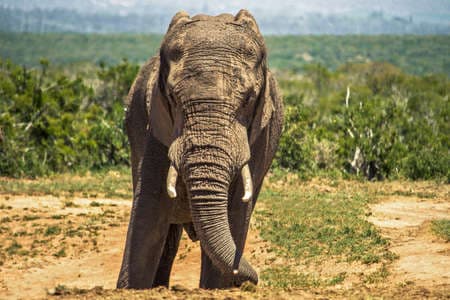
The northern circuit works because each park contributes a different piece of the safari experience. Serengeti is the long-stay wildlife area, with wide horizons and the best-known migration routes. Ngorongoro Crater compresses a lot of wildlife into a dramatic volcanic basin, which is why it often appears in shorter itineraries. Tarangire is the best place to appreciate elephants, baobabs, and a quieter atmosphere outside peak season. Lake Manyara is smaller, greener, and useful as a gentle first or last day in the circuit rather than a standalone headline park.
| Park | Strength | Planning note |
|---|---|---|
| Serengeti | Migration, predator action, open plains | Best when you have at least two nights in one area |
| Ngorongoro Crater | Dense wildlife viewing in a compact setting | Combine with nearby highland lodges to avoid a rushed day |
| Tarangire | Elephants, baobabs, seasonal calm | Excellent in drier months and for lower crowd pressure |
| Lake Manyara | Scenery, birdlife, forest and lakeshore contrast | Useful for a softer start to a northern circuit |
Avoid trying to “do” all four parks in too few days. The transfer time is part of the safari experience, and rushed driving reduces actual game viewing time.
A good Tanzania itinerary is one that respects pace. Short trips should focus on a compact loop, while longer trips can absorb road transfers and add a beach extension without feeling forced. For a three-day visit, a common structure is Arusha plus either Tarangire and Ngorongoro, or a single-park express safari with one well-located lodge. A seven-day trip usually works better for a proper northern circuit, because it gives space for Serengeti time without turning every day into a transit day. Ten days or more opens the door to a relaxed safari-plus-Zanzibar combination.
If you are comparing route types, think in terms of outcome. A short safari is about efficiency and a strong first impression. A medium-length safari is about balance, with enough time for wildlife, scenery, and one or two different lodge styles. A longer safari with Zanzibar is about contrast: dust and plains first, then ocean and downtime. For itinerary inspiration and destination sequencing, travellers can also review Zimtrek’s travel planning pages at popular destinations and about Zimtrek.
| Trip length | Best route shape | Typical fit |
|---|---|---|
| 3 days | Arusha base plus 1-2 parks | First-timers with limited time |
| 7 days | Tarangire, Ngorongoro, Serengeti | Most balanced northern circuit |
| 10+ days | Northern circuit plus Zanzibar | Travellers wanting safari and beach in one journey |
Pricing in Tanzania is shaped by park fees, vehicle use, guide quality, distance covered, and the lodge category you choose. For most travellers, the biggest mistake is comparing only the headline price without checking what is included. A budget safari may look attractive, but if park fees, transfers, drinks, and internal flights are excluded, the final bill can rise quickly. A mid-range itinerary often delivers better value because it balances comfort with realistic inclusions. Luxury trips usually pay for better location, smaller camps, private vehicles, and more time-saving logistics.
| Tier | Typical daily range per person | Usually included | Often excluded |
|---|---|---|---|
| Budget | US Dollars 200-350 | Shared vehicle, basic lodge or camp, game drives, some meals | Most drinks, some park fees, premium activities, private use |
| Mid-range | US Dollars 350-650 | Better lodges, fuller meal plan, guided drives, some transfers | Tips, some flights, laundry, select activities |
| Luxury | US Dollars 650-1,500+ | High-end camps, private or premium vehicles, top locations, more inclusions | International flights, some drinks, gratuities, specialty add-ons |
These are planning ranges, not fixed rates, and seasonality can shift them noticeably. Green-season departures are often more attractive on price, while peak migration windows and high-demand lodge dates can push costs up. If you are combining safari with Zanzibar, remember that beach resorts, inter-island routing, and domestic flights can add a meaningful amount to the trip total. For the most accurate planning, it helps to build the itinerary around the parks first and then price the transfers second.
The right operator changes everything because Tanzania is not just about selling rooms; it is about sequencing roads, flights, and guiding well. A good vetting process should begin with proof of registration and industry membership, then move to recent reviews, direct communication quality, and the specificity of the itinerary quotation. If a company cannot explain where you will sleep, how long each transfer takes, and what is or is not included, that is a warning sign.
The best operators answer practical questions without hedging. If you ask about road times, bathroom stops, or lodge locations and get vague replies, keep comparing.
Bathroom logistics are one of the most overlooked parts of safari planning, yet they affect comfort every single day. On game drives, many vehicles stop at designated picnic sites, lodges, or ranger points rather than allowing random stops in the bush. This means you should ask how long the drives typically are, whether your route has reliable facilities, and whether there is a vehicle toilet option on private charters. In camps and lodges, room categories vary: some tented camps have en-suite bathrooms with flush toilets and hot showers, while more basic mobile camps may use simpler facilities with limited water availability.
Health planning should be handled early, especially if your route involves several days in remote areas. Travellers should check routine vaccinations, malaria advice for the parks they plan to visit, and the timing of any prescription medication they use. Pack lightweight layers for cool early mornings, a soft-sided bag for safari flights, neutral clothing, insect repellent, binoculars, a power bank, and a small daypack. If you are bringing camera gear, ask the operator in advance about charging points and luggage limits on domestic flights.
Most safari problems come from mismatched expectations rather than bad luck. The first mistake is choosing a route by price alone and discovering that too much time is spent on transfers. The second is assuming every lodge level delivers the same experience; a tented camp and a lodge may both sound comfortable, but their setting, privacy, and wildlife access can differ sharply. The third is ignoring seasonality and booking the wrong park for the wrong month, which can leave you in a beautiful place at the wrong time for your wildlife goals.
A stronger approach is to decide your priority first: wildlife density, photography, comfort, or a safari-plus-beach holiday. Once that is clear, the operator can shape a route that matches your pace and budget instead of forcing you into a standard template.
Get in touch with us and we'll get back to you as soon as possible.
Here's what sets us apart
We deliver exceptional experiences at fair, transparent prices, ensuring every journey offers genuine quality, comfort, and unforgettable adventure without unnecessary costs.
Your journey is crafted around your interests, pace, and travel style, giving you a custom-made adventure that feels authentic, meaningful, and entirely your own.
From planning to your final day of travel, our dedicated team is available to guide, assist, and ensure your trip runs smoothly and stress-free.
Don't just take our word for it
Keep reading