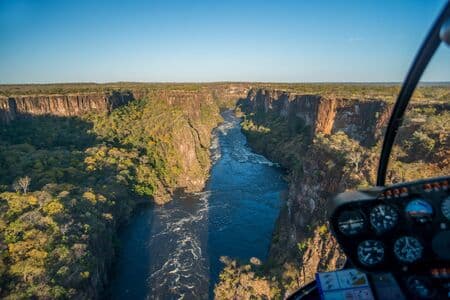
Navigate the essentials of choosing destinations, understanding costs, and avoiding common pitfalls for your first safari.
Image via 123RF
Get in touch with us and we'll get back to you as soon as possible.
Here's what sets us apart from the competition
We deliver exceptional experiences at fair, transparent prices, ensuring every journey offers genuine quality, comfort, and unforgettable adventure without unnecessary costs.
Your journey is crafted around your interests, pace, and travel style, giving you a custom-made adventure that feels authentic, meaningful, and entirely your own.
From planning to your final day of travel, our dedicated team is available to guide, assist, and ensure your trip runs smoothly and stress-free.
Find answers to common questions
Pack lightweight, neutral-coloured clothing, a warm layer for early-morning drives, sturdy shoes, sun protection, insect repellent, a good camera/binoculars, and any required medications or vaccinations after consulting your healthcare provider and local travel advice.
We work with a curated network of vetted lodges, camps, guides, and ground operators selected for local knowledge, safety standards, experience, and suitability to the traveller’s interests and budget.
Yes; itineraries can be tailored for wildlife photography, birding, family-focused activities, honeymooners, and adventure travel, with appropriate accommodations, vehicle options, and guide specialisations arranged on request.
Zimtrek specialises in safaris across Southern and East Africa, with core destinations including Zimbabwe, Botswana, Zambia, South Africa, Namibia, Kenya, and Tanzania.
Zimtrek designs tailor-made safaris including game drives, walking safaris, mobile tented camps, photographic safaris, and combined wildlife-and-cultural itineraries to suit solo travellers, couples, families, and small groups.
In This Article
Essential Planning Steps
Cost Breakdown
Common Pitfalls
Planning a first safari works best when you treat it like a travel project, not a standard holiday booking. Start by deciding what kind of experience you want: a classic game-drive safari, a mix of wildlife and scenery, or a trip built around a single highlight such as Victoria Falls, the Okavango Delta, or a South Africa reserve circuit. That choice shapes everything else, including the country, the season, the length of stay, and the level of lodges you should consider.
First-time safari planning is easier when you narrow the trip to one clear priority: wildlife intensity, comfort level, or value for money. Trying to optimise all three at once usually stretches the budget and the schedule.
For travellers coming from outside Africa, a first safari is often more enjoyable when it is built around 6 to 8 nights rather than trying to cover several countries in one itinerary. That gives you enough time for transfers, one or two key game-viewing areas, and a few slow moments between activities. Zimtrek’s planning approach is tailored around Southern Africa, which is useful because many of the strongest first-safari combinations sit within a practical flight and road network across Zimbabwe, Botswana, Zambia, Namibia, and South Africa.
A simple order of decisions prevents expensive mistakes. First, choose the country or region. Next, decide whether you want a private guide, a guided lodge stay, or a self-drive style trip in places that suit it. Then build the trip around realistic transfer times rather than map distance alone. Finally, compare the total cost, not just the nightly rate. A lodge that looks expensive at first glance may actually be better value if it includes meals, drinks, park fees, and twice-daily game drives.
| Planning step | What to decide | Why it matters |
|---|---|---|
| Trip focus | Wildlife, scenery, relaxation, or a mix | Prevents overpacking too many experiences into one trip |
| Country choice | Zimbabwe, Botswana, Zambia, Namibia, or South Africa | Each offers different access, lodge styles, and seasonality |
| Trip length | Usually 6 to 8 nights for a first safari | Allows for transfers and at least two wildlife areas |
If you want a smoother start, Zimtrek’s popular destinations page is a useful shortlist for seeing how Zimbabwe, Botswana, Zambia, Namibia, and South Africa differ in style. The point is not to pick the most famous name; it is to choose the country that matches your pace, budget, and tolerance for logistics.
For a first safari, country selection matters more than many travellers realise. Botswana is known for a high-end lodge network and low-density wildlife areas, which suits travellers who value exclusivity and are comfortable with premium pricing. Zimbabwe often works well for travellers who want strong guiding, excellent value in many camps, and easy combinations with Hwange or Mana Pools. South Africa is practical for first-timers because it offers a wide range of accommodation and simple logistics, while Namibia is better for those who want dramatic landscapes alongside wildlife rather than a pure game-drive focus. Zambia is ideal for travellers who want a more bush-forward, adventurous feel.
If this is your first safari, think about access as much as animals. Direct flights, road transfer times, and the number of moving parts can matter more than a destination’s reputation.
The best first safari is often the one with the least friction. For example, a Zimbabwe trip combining Victoria Falls with Hwange can be simpler than trying to stitch together multiple remote camps across different borders. A Botswana itinerary may be ideal if your priority is high-quality camps and water-based scenery, but it usually needs a larger budget. South Africa can be easier for travellers who want to pair safari with city time or a self-drive component. The right choice depends on whether you want maximum wildlife time, maximum comfort, or the most balanced value.
| Country | Best for first-timers | Planning note |
|---|---|---|
| Zimbabwe | Good guiding, strong value, classic safari feel | Pairs well with Victoria Falls and Hwange |
| Botswana | Low-density camps and premium experiences | Budget higher for lodges and transfers |
| South Africa | Easy logistics and many accommodation levels | Good for combining safari with other travel styles |
| Namibia | Scenery-led trips with wildlife stops | Road distances can be long |
| Zambia | Authentic bush experience and walking safari options | Best for travellers comfortable with more rustic logistics |
Safari pricing is easier to understand once you separate the trip into components. The main costs are accommodation, game activities, park fees, internal flights or transfers, and sometimes drinks and laundry. In Southern Africa, pricing can vary sharply depending on remoteness, exclusivity, and whether a lodge includes shared activities or a private vehicle. For first-time planners, the biggest mistake is comparing only the room rate and ignoring the rest of the trip structure.
A common per-person, per-night planning range in Southern Africa, depending on season, lodge style, and inclusions
As a practical guide, budget safaris tend to sit at the lower end of the market and may use simpler lodges, road transfers, or shorter stays in high-demand areas. Mid-range options usually offer the best balance for first-timers: comfortable rooms or tents, strong guiding, meals included, and reliable transfers. Luxury safaris can reach much higher nightly rates, especially where camps are remote and access is by light aircraft. Those higher rates often reflect exclusivity, limited bed numbers, and more personalised service rather than just room quality.
| Style | Typical planning use | What to watch |
|---|---|---|
| Budget | Shorter trips, simpler lodges, value-focused travellers | Check transfer costs and park fees carefully |
| Mid-range | Best first safari balance for most travellers | Confirm exactly what is included daily |
| Luxury | Privacy, premium guiding, remote camps | Small details like flights and exclusivity can change the total sharply |
If you are travelling on a tighter budget, focus on one strong safari region and keep transfer movements to a minimum. If you are a couple or small group wanting comfort without overspending, mid-range lodges usually give the best return because they reduce friction while still delivering good guiding and included meals. If your priority is privacy, special occasions, or a once-in-a-lifetime style trip, luxury camps can be worth the higher cost, especially when access and experience are the main goals rather than covering many places.
Do not budget for safari by looking at one advertised night rate alone. Ask what is excluded: intercamp flights, road transfers, conservation fees, drinks, laundry, and private activities can all change the final figure.
Before you confirm anything, use a checklist that keeps the trip realistic. Decide your ideal travel month, then compare how that month affects wildlife viewing, temperatures, and camp availability. Confirm whether you prefer a lodge-based safari, a split-stay trip, or a route that includes a scenic highlight such as the Zambezi or the delta. Make sure transfer times fit the number of nights you have. A beautiful itinerary can still feel rushed if you spend too much of it in transit.
To make the planning process smoother, you can review Zimtrek’s about page to understand how the company works with curated lodge and ground partners across Southern Africa. For travellers who are still comparing destinations, the home page is also useful for seeing the broader range of tailor-made safari planning support.
The most common mistake is trying to fit too many countries into one first trip. Cross-border connections and multiple flights can eat up time and add stress. Another frequent issue is choosing a lodge by photos alone and not checking location, transfer method, or inclusions. Some travellers also assume that dry-season travel is automatically better, but the best month depends on what they want to see and how much they are willing to pay. In peak periods, even very good properties can sell out early, especially in smaller camps.
The safest way to avoid disappointment is to ask for the full itinerary logic: why this route, why these camps, and why these transfer choices. Good safari planning should explain the trade-offs clearly.
A final mistake is assuming all safari experiences are interchangeable. A riverfront lodge, a private concession camp, and a national park property may all look similar online, but they can deliver very different rhythms, driving rules, and crowd levels. That is why local knowledge matters so much. Zimtrek’s planning support is built around matching the lodge style, routing, and season to the traveller, instead of forcing every enquiry into the same template.
Local expertise becomes especially valuable on a first safari because small decisions have large consequences. The best camp for wildlife viewing may not be the best camp for a first-time traveller if the transfers are awkward or the pace is too remote. Likewise, a well-chosen guide can make a modest itinerary feel far richer by reading tracks, explaining animal behaviour, and timing drives around the conditions of the day. This is one reason curated planning often delivers better value than assembling everything independently.
For travellers who want a stronger sense of how Zimtrek structures trips, the contact and planning page is the natural next step when you are ready to compare options with a specialist. That is where destination fit, routing, and lodge selection can be aligned to your budget and travel dates.
Once the basics are set, a few practical choices can noticeably improve the trip. Travel light, especially if you are moving between lodges or using small aircraft. Keep binoculars and a soft-sided bag handy, and build one or two slower days into the itinerary so the trip does not feel like a race. If photography matters, tell your planner early so vehicle configuration and camp choice can support it. If you are travelling with a partner or friends, discuss expectations before booking: some guests want long game drives, while others prefer a more relaxed mix of wildlife and downtime.
| Practical choice | Best outcome | Why it helps a first safari |
|---|---|---|
| Keep flights simple | Fewer connection delays | Reduces stress on arrival days |
| Choose fewer camps | More time in each place | Improves wildlife viewing rhythm |
| Confirm inclusions early | Cleaner budgeting | Avoids last-minute add-on costs |
Get in touch with us and we'll get back to you as soon as possible.
Here's what sets us apart
We deliver exceptional experiences at fair, transparent prices, ensuring every journey offers genuine quality, comfort, and unforgettable adventure without unnecessary costs.
Your journey is crafted around your interests, pace, and travel style, giving you a custom-made adventure that feels authentic, meaningful, and entirely your own.
From planning to your final day of travel, our dedicated team is available to guide, assist, and ensure your trip runs smoothly and stress-free.
Don't just take our word for it
Keep reading