Discover South Africa's premier safari spots and unique experiences tailored for every traveler.
Get in touch with us and we'll get back to you as soon as possible.
Here's what sets us apart from the competition
We deliver exceptional experiences at fair, transparent prices, ensuring every journey offers genuine quality, comfort, and unforgettable adventure without unnecessary costs.
Your journey is crafted around your interests, pace, and travel style, giving you a custom-made adventure that feels authentic, meaningful, and entirely your own.
From planning to your final day of travel, our dedicated team is available to guide, assist, and ensure your trip runs smoothly and stress-free.
Find answers to common questions
Pack lightweight, neutral-coloured clothing, a warm layer for early-morning drives, sturdy shoes, sun protection, insect repellent, a good camera/binoculars, and any required medications or vaccinations after consulting your healthcare provider and local travel advice.
We work with a curated network of vetted lodges, camps, guides, and ground operators selected for local knowledge, safety standards, experience, and suitability to the traveller’s interests and budget.
Yes; itineraries can be tailored for wildlife photography, birding, family-focused activities, honeymooners, and adventure travel, with appropriate accommodations, vehicle options, and guide specialisations arranged on request.
Zimtrek specialises in safaris across Southern and East Africa, with core destinations including Zimbabwe, Botswana, Zambia, South Africa, Namibia, Kenya, and Tanzania.
Zimtrek designs tailor-made safaris including game drives, walking safaris, mobile tented camps, photographic safaris, and combined wildlife-and-cultural itineraries to suit solo travellers, couples, families, and small groups.
In This Article
Diverse Wildlife Experiences
Top Safari Parks
Tailored Travel Tips
South Africa stands out because it does not offer one single safari identity. Instead, the country gives travellers a choice between dense Big Five heartlands, malaria-free reserves, desert ecosystems, coastal wilderness, and private conservancies that feel very different from one another. That variety is exactly why South Africa works so well for first-time safari travellers, repeat visitors, families, couples, and solo adventurers who want a trip shaped around a specific style of wildlife experience rather than a one-size-fits-all route.
For Zimtrek Travel clients, the most useful way to think about safari planning in South Africa is not just by “which park is famous,” but by what kind of experience you want on the ground. Some travellers want easy self-drive access and a wide range of accommodation. Others want guided game drives, strong conservation stories, or quieter reserves with fewer vehicles. South Africa can deliver all of those, but the right destination depends on whether you value scale, exclusivity, family convenience, or a more unusual landscape. Those decisions affect your rhythm, your wildlife density, and your comfort level.
Distinct safari environments covered in this guide, from Kruger’s classic bushveld to Kgalagadi’s desert sands.
This article focuses on the destinations that give South Africa its strongest safari identity: Kruger National Park, Addo Elephant National Park, Pilanesberg Game Reserve, and Hluhluwe-iMfolozi Park in this first half, followed by Kgalagadi Transfrontier Park and Madikwe Game Reserve in the second half. Each section looks at what makes the area different, which travellers it suits best, and how to read the landscape before you book. That approach is especially helpful if you are comparing South Africa to other safari countries in the region and want a destination that balances wildlife viewing with practical logistics.
Kruger is the reference point for South African safaris because it offers enormous scale, excellent road access, and a long-established wildlife infrastructure. It is one of the largest protected areas in the country, and that size matters. Travellers can move between northern, central, and southern areas and notice real differences in vegetation, density of game, and overall pace. The southern sector is usually the easiest for first-time visitors because sightings are often frequent and the lodge and camp network is extensive. The northern sections tend to feel quieter and more remote, which appeals to photographers and travellers who prefer fewer vehicles.
Kruger is especially strong for self-drive travellers, but it is equally rewarding with a guided itinerary when you want expert interpretation of tracks, birdlife, and predator behaviour. This is where local knowledge adds real value. A good route through Kruger is not simply about entering the park and driving until you see animals. It is about choosing the right gate, understanding how far you want to drive each day, and deciding whether to stay inside the park or in a private concession on the edge. Those decisions affect your rhythm, your wildlife density, and your comfort level.
Kruger works best when you match region to travel style: southern Kruger for first-timers and classic game viewing, central Kruger for a balanced route, and the north for slower, more atmospheric wildlife travel.
Kruger is not just about animals; it is about the system around the wildlife. The park has many entry points, a wide choice of camps, and an established network of roads that makes longer self-drive routes realistic. You can pair a few nights inside the park with a lodge outside it, which is helpful for families who want flexibility or couples who want a mix of bush and comfort. Because of the park’s scale, planning matters more than people expect. If you stay in the wrong section for your goals, you may spend too much time driving and too little time watching.
| Kruger area | Best for | Travel style |
|---|---|---|
| Southern Kruger | First-time safari travellers, families | High wildlife density, easy access |
| Central Kruger | Balanced wildlife and variety | Good for longer stays and mixed routes |
| Northern Kruger | Photographers, repeat travellers | Quieter, more remote, slower pace |
Kruger also works well as a gateway into wider safari planning. Travellers often compare it with private reserves in South Africa because Kruger gives more independence, while private options offer more exclusivity. For many Zimtrek guests, that comparison is useful: if you want to self-drive and keep your itinerary flexible, Kruger is compelling. If you want fully guided days and fewer vehicles, you may prefer a private reserve connected to the greater Kruger area.
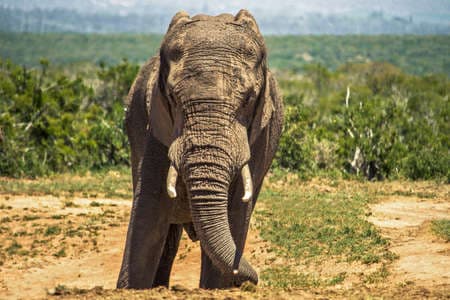
Addo is one of the most interesting safari destinations in South Africa because it shows how conservation can reshape a landscape over time. It began as a small refuge for elephants and has grown into a much more diverse protected area. That conservation story is part of its appeal, but the park is not only about history. It also offers a different wildlife feel from the better-known bushveld parks, with a landscape that includes dense thicket and coastal influences rather than only open savannah.
Travellers often choose Addo because it is practical. It is easier to combine with a Garden Route itinerary, and that makes it appealing for visitors who want wildlife without committing to a long, park-only safari. Families often like Addo for that reason: you can mix game drives with a broader South African holiday, and the travel logistics are more straightforward than on a longer multi-park journey. Couples who are already exploring the Eastern Cape also use Addo as a well-paced wildlife stop rather than a standalone expedition.
Addo is a strong choice if you want meaningful wildlife viewing inside a broader South Africa trip, especially when you are combining nature, road travel, and relaxed pacing.
Addo works because it is adaptable. Wildlife photographers appreciate the chance to spend unhurried time in a reserve that is less overwhelming than a huge wilderness area. Families value the accessibility and the ability to fit Addo into a broader itinerary. Travellers who care about conservation like seeing a park that has evolved through active management rather than remaining static. The park’s elephant population is its signature, but the broader habitat also adds layers of interest for birdwatchers and anyone who enjoys reading a landscape rather than only looking for marquee species.
Another reason Addo deserves attention is that it provides a different safari tone. Kruger is iconic and expansive; Addo is more compact and conservation-led. That difference is useful for travellers who want to understand what South African safari travel can look like beyond the headline names. It shows that a rewarding safari does not have to be the biggest reserve or the most famous one. Sometimes it is the park that fits cleanly into the rest of the journey that becomes the most enjoyable part of the trip.
Pilanesberg is distinctive because the landscape itself defines the experience. The reserve sits in an ancient volcanic crater, and that geological structure creates rolling hills, varied viewpoints, and a different sense of space from flat bushveld parks. This matters for travellers because scenery changes the feel of a safari day. In Pilanesberg, the road network often reveals both wildlife and terrain, which makes drives visually engaging even when animals are less concentrated in one area.
Its location also makes Pilanesberg practical. Many visitors choose it for short breaks or as part of a Johannesburg-based holiday because it is accessible without the long transfer time required by more remote reserves. That convenience is especially useful for regional African travellers, business travellers extending a trip, or families with limited holiday days. You can have a proper safari feeling without building an entire itinerary around long overland logistics.
Ancient volcanic crater setting gives Pilanesberg a landscape unlike most safari reserves in South Africa.
Pilanesberg is particularly suited to travellers who want an efficient safari with less transit time. It can work well for families because the reserve is easy to access, and the surrounding accommodation options make short stays simple to arrange. It also suits couples who want a quick, high-quality wildlife escape without committing to a multi-day overland route. For solo travellers, it is a comfortable entry point into guided safari travel, especially when a fixed-length trip is easier to manage than a more complex self-drive circuit.
The main planning point is to match expectations to the reserve’s layout. Pilanesberg is not about replicating the scale of Kruger. Instead, it offers a concentrated safari experience with scenic variety and strong accessibility. If you are comparing it to larger parks, think in terms of convenience, terrain, and trip length rather than sheer size. That makes it a smart option in a South African safari plan where time efficiency matters as much as wildlife viewing.
Hluhluwe-iMfolozi is one of South Africa’s most important safari destinations because of its conservation legacy. The park is closely linked to rhino conservation history, and that background gives the visit a deeper layer than a standard game drive. Travellers who appreciate conservation stories often find this park especially meaningful because the experience is not only about spotting wildlife but also about understanding the role the reserve has played in protecting species over time.
The landscape is hilly, scenic, and rewarding for visitors who like a more textured route through the bush. It feels different from the large, open safari settings that dominate many wildlife itineraries. The terrain can make drives more varied, and that adds to the sense of exploration. For travellers planning a wider KwaZulu-Natal journey, Hluhluwe-iMfolozi fits naturally with coastal and cultural experiences, which makes it a strong choice for people who want wildlife as part of a broader regional trip rather than as the only focus.
If you want a safari with strong conservation meaning as well as wildlife value, Hluhluwe-iMfolozi offers a deeper story than many quick-stop reserves.
For many travellers, the value of Hluhluwe-iMfolozi is that it adds historical depth to a South African safari itinerary. It is not just another wildlife stop; it is a place where conservation achievements are part of the reason the park matters. That can be especially appealing for mature travellers, wildlife enthusiasts, and families who want to use a safari to teach children more than animal names. It gives context, and context often makes a safari more memorable.
Kgalagadi is one of the most visually distinctive safari destinations in South Africa because it replaces the classic green bush image with a dry, open desert landscape. The red dunes, sparse vegetation, and wide horizons create an entirely different wildlife mood. This is not a place to visit if you want dense bush feel or short-distance game viewing on every drive. It is the right destination when you want atmosphere, space, and a safari that feels shaped by the land itself. In practical terms, that makes Kgalagadi especially attractive to travellers who want a more contemplative journey and are comfortable with longer drives between sightings. safari destinations.
The park is also useful for travellers who have already visited other safari areas and want something new. The desert setting means the wildlife patterns, photography conditions, and overall rhythm differ from Kruger or Pilanesberg. That difference is important for photographers, repeat visitors, and independent travellers who enjoy a more adventurous route. Kgalagadi is also known for its sense of remoteness, so planning accommodation and fuel stops carefully is part of the experience rather than an afterthought. Planning accommodation is key.
Kgalagadi is best treated as a destination in its own right, not as a quick add-on. The desert setting and distances reward travellers who give it enough time.
A desert safari changes how you read wildlife. You are not looking for dense vegetation or frequent roadside clusters of animals. Instead, the openness of the landscape can make animal movement easier to observe at a distance, and the drama comes from the contrast between wildlife and empty space. That makes Kgalagadi a compelling choice for travellers who enjoy photography, silence, and the sense of being in a very different ecological zone. It is also one of the best examples in South Africa of how a safari can be about the land as much as the animals.
| Destination | Landscape style | Best suited to |
|---|---|---|
| Kgalagadi Transfrontier Park | Red dunes, dry riverbeds, open desert | Photographers, adventurous travellers, repeat safari guests |
| Kruger National Park | Classic bushveld and broad wildlife circuits | First-timers, families, self-drive travellers |
Madikwe is one of South Africa’s strongest answers for travellers who want a guided safari with a more exclusive feel. It is a well-managed reserve with a reputation for high-quality lodges, professional guiding, and a quieter atmosphere than many better-known parks. For many travellers, that combination is the sweet spot: wildlife viewing without the busier road networks of some public parks, plus the comfort of a lodge-focused stay. It is especially appealing for couples, multi-generational families, and anyone who wants an easier rhythm than self-driving.
What makes Madikwe stand out is the balance between wildlife and service. The reserve works well when you want the safari experience to feel seamless, with transfers, game drives, meals, and downtime coordinated around a single lodge base. That is where Zimtrek Travel’s planning style becomes important. Rather than treating a safari as a string of logistics, a good itinerary uses Madikwe to create calm, well-paced days. Travellers can focus on the experience itself rather than worrying about navigating roads or changing accommodation repeatedly.
Madikwe is a strong fit if you want a polished safari with lodge comfort, guided game drives, and fewer moving parts in the itinerary.
If you are deciding between South Africa’s major safari styles, Madikwe is often the best match for travellers who value comfort and structure. Couples on a celebration trip usually appreciate the privacy and lodge quality. Families often prefer it because guided drives remove much of the planning pressure, and the environment can feel more contained. Solo travellers who want a guided experience rather than self-drive independence also do well here because the reserve offers a social, professionally managed safari atmosphere.
By contrast, if your priority is total flexibility, Kruger may be the better fit. If your priority is a dramatic landscape, Kgalagadi should be high on the list. If you want a shorter, convenient safari with strong geology and easy access, Pilanesberg is practical. If conservation history and coastal pairing matter, Addo and Hluhluwe-iMfolozi each bring something distinct. The key is not to choose the most famous name automatically, but to choose the reserve that matches how you actually travel.
The best season depends on what you want to prioritise. South Africa’s safari areas do not behave identically, because rainfall patterns, vegetation density, and temperature vary by region. In many safari areas, the dry winter months from roughly May to September are excellent for game viewing because vegetation thins and animals gather more consistently near water sources. Summer brings greener scenery and active birding, but thicker bush can make some sightings more challenging. That does not make summer a poor choice; it simply changes the style of the trip.
For travellers planning around school holidays, work schedules, or photography goals, it helps to think seasonally rather than only by destination. A winter trip to Kruger often feels very different from a summer trip to Addo or Kgalagadi. The ideal month is the one that matches your goals. If you want clearer viewing and more predictable safari routines, drier months are usually stronger. If you want lush scenery, migratory birds, and a greener backdrop, the warmer months can be very rewarding.
| Season | Typical safari value | Best for |
|---|---|---|
| May to September | Clearer sightings, cooler conditions | First-time safari travellers, photographers, self-drive routes |
| October to April | Greener scenery, warmer days, strong birdlife | Return visitors, birders, landscape-focused travellers |
Often the most reliable window for concentrated wildlife viewing across many South African safari regions.
Planning a South African safari well is less about overcomplicating the trip and more about making a few smart decisions early. Start by deciding whether your priority is self-drive independence, guided comfort, or a mix of both. That one choice influences where you stay, how many parks you can realistically combine, and how much transfer time you should allow. A traveller doing Kruger by road will plan differently from a couple staying in Madikwe or a family combining Addo with the Garden Route.
Accommodation style also matters. Inside-park stays are useful if you want early morning access and immersion, while nearby lodges can offer easier check-in procedures and more comfort. For shorter trips, it is often better to choose fewer destinations and spend more time in each one. Travellers who try to fit Kruger, Addo, Pilanesberg, and Kgalagadi into a single rushed itinerary often lose the very thing they came for: time in the bush.
Do not design a safari around distance alone. In South Africa, the best trip usually comes from matching the reserve to your pace, not from ticking off the largest possible number of parks.
Practical planning also means thinking about vehicle use, gate times, and daily movement. In larger parks such as Kruger, where you stay can shape how much time you spend on wildlife viewing versus road transfer. In reserves like Madikwe or Pilanesberg, a guided lodge structure can remove stress and help you focus on the experience. In Kgalagadi, you need to plan for remoteness and accept that the journey itself is part of the appeal. Zimtrek Travel often builds itineraries around these differences so the trip feels balanced rather than crowded.
The strongest safari choice in South Africa is the one that matches the kind of traveller you are. If you want the broadest classic wildlife experience, Kruger remains the benchmark. If you want a conservation story inside an accessible route, Addo is compelling. If you want a landscape-driven safari close to major access points, Pilanesberg is hard to ignore. If you want meaning and history alongside wildlife, Hluhluwe-iMfolozi adds depth. If you want desert remoteness, Kgalagadi is unmatched. If you want a refined lodge-based safari with excellent support, Madikwe stands out.
For Zimtrek Travel, the best itineraries are the ones that treat these destinations as different tools rather than interchangeable options. A family may be happiest in Kruger or Pilanesberg. A couple may prefer the privacy of Madikwe. A photographer may find Kgalagadi or northern Kruger more rewarding. The destination is only part of the answer; the way it is matched to your travel style is what turns a good safari into a memorable one.
Get in touch with us and we'll get back to you as soon as possible.
Here's what sets us apart
We deliver exceptional experiences at fair, transparent prices, ensuring every journey offers genuine quality, comfort, and unforgettable adventure without unnecessary costs.
Your journey is crafted around your interests, pace, and travel style, giving you a custom-made adventure that feels authentic, meaningful, and entirely your own.
From planning to your final day of travel, our dedicated team is available to guide, assist, and ensure your trip runs smoothly and stress-free.
Don't just take our word for it
Keep reading