Explore the profound cultural connections between African communities and the Big Five animals.
Get in touch with us and we'll get back to you as soon as possible.
Here's what sets us apart from the competition
We deliver exceptional experiences at fair, transparent prices, ensuring every journey offers genuine quality, comfort, and unforgettable adventure without unnecessary costs.
Your journey is crafted around your interests, pace, and travel style, giving you a custom-made adventure that feels authentic, meaningful, and entirely your own.
From planning to your final day of travel, our dedicated team is available to guide, assist, and ensure your trip runs smoothly and stress-free.
Find answers to common questions
Pack lightweight, neutral-coloured clothing, a warm layer for early-morning drives, sturdy shoes, sun protection, insect repellent, a good camera/binoculars, and any required medications or vaccinations after consulting your healthcare provider and local travel advice.
We work with a curated network of vetted lodges, camps, guides, and ground operators selected for local knowledge, safety standards, experience, and suitability to the traveller’s interests and budget.
Yes; itineraries can be tailored for wildlife photography, birding, family-focused activities, honeymooners, and adventure travel, with appropriate accommodations, vehicle options, and guide specialisations arranged on request.
Zimtrek specialises in safaris across Southern and East Africa, with core destinations including Zimbabwe, Botswana, Zambia, South Africa, Namibia, Kenya, and Tanzania.
Zimtrek designs tailor-made safaris including game drives, walking safaris, mobile tented camps, photographic safaris, and combined wildlife-and-cultural itineraries to suit solo travellers, couples, families, and small groups.
In This Article
Cultural Insights
Artistic Expressions
Conservation Efforts
The term 'Big Five' refers to five of Africa's most iconic wildlife species: the lion, elephant, buffalo, leopard, and rhinoceros. While they are famous for their grandeur and allure in the wild, these animals hold a deeper, cultural significance that resonates across various African communities. This connection extends beyond the realm of wildlife tourism, encapsulating traditions, folklore, and spiritual beliefs that have been passed down through generations.
Lions have long been revered in African cultures as symbols of strength, courage, and leadership. In many traditional societies, the lion is seen as the king of the animals, representing power and majesty. Tribes across Southern Africa often include lions in their totems, using them as emblems of their lineage and tribal identity. Stories and proverbs about lions are common in African folklore, often illustrating lessons about bravery and strategic thinking.
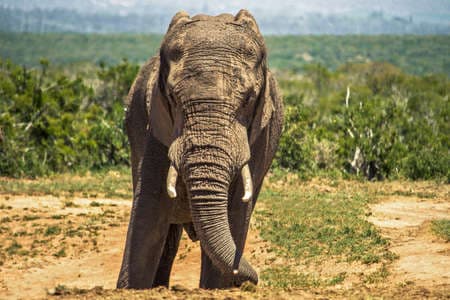
Elephants are celebrated for their intelligence and memory, often symbolizing wisdom and longevity. Many African cultures regard elephants as custodians of ancient knowledge and spiritual guardians. In Zimbabwe, for instance, elephants are deeply embedded in Shona and Ndebele cultural narratives, often featured in art, dance, and music. Their majestic presence in the wilderness embodies patience, strength, and familial loyalty.
Elephants frequently appear in various forms of African art, from intricate wood carvings to vibrant textiles. These representations are not only artistic expressions but also serve as cultural storytelling mediums, preserving the tales and values associated with these gentle giants.
Buffaloes, with their formidable strength and communal lifestyle, symbolize unity and resilience. In many African cultures, the buffalo is seen as a protector, often associated with communal strength and collective effort. Traditional dances and ceremonies frequently highlight the buffalo's characteristics, emphasizing themes of persistence and solidarity.
Tip: Witness traditional buffalo dances during cultural festivals in Botswana to experience their rich heritage firsthand.
Leopards are often associated with mystery, stealth, and independence. Their elusive nature makes them a symbol of the unknown, often revered in stories that highlight their cunning and adaptability. In African folklore, leopards are frequently portrayed as mystical creatures, embodying the spirit of survival and independence. They are central figures in many proverbs and tales, teaching lessons about resourcefulness and resilience.
In various African traditions, leopard skins are worn by leaders or spiritual figures during rituals, symbolizing authority and insight. Such practices underscore their revered status within the community.
Rhinoceroses are often viewed as ancient creatures, embodying the strength and wisdom of the earth. They are considered protectors of the land and emissaries of the ancestors in several African traditions. The rhino's horn, in particular, is believed to have spiritual properties, often used in rituals to connect with the spiritual world and honor the ancestors.
| Animal | Cultural Symbolism | Artistic Representation |
|---|---|---|
| Lion | Strength and Leadership | Totems and Proverbs |
| Elephant | Wisdom and Memory | Wood Carvings and Textiles |
| Buffalo | Unity and Resilience | Traditional Dances |
| Leopard | Mystery and Independence | Spiritual Rituals |
| Rhinoceros | Guardian of Ancestors | Ritual Artifacts |
The cultural narratives surrounding the Big Five are not only vital for preserving traditions but also for promoting wildlife conservation. These animals are integral to African ecosystems, and their protection ensures that future generations can continue to experience their majesty both in the wild and within cultural contexts. Initiatives that engage local communities in conservation efforts, respecting their cultural ties to these animals, have proven effective in fostering sustainable wildlife management.
Info: Community-based conservation programs in Zimbabwe have successfully integrated traditional knowledge with modern conservation techniques.
Understanding the cultural significance of the Big Five not only enriches our appreciation of these magnificent animals but also emphasizes the importance of preserving their natural habitats. As we cherish these cultural stories and traditions, we must also commit to protecting the wildlife that inspires them. By partnering with local communities and respecting their heritage, we can ensure a future where both the cultural narratives and the majestic animals that inspire them continue to thrive.
Get in touch with us and we'll get back to you as soon as possible.
Here's what sets us apart
We deliver exceptional experiences at fair, transparent prices, ensuring every journey offers genuine quality, comfort, and unforgettable adventure without unnecessary costs.
Your journey is crafted around your interests, pace, and travel style, giving you a custom-made adventure that feels authentic, meaningful, and entirely your own.
From planning to your final day of travel, our dedicated team is available to guide, assist, and ensure your trip runs smoothly and stress-free.
Don't just take our word for it
Keep reading