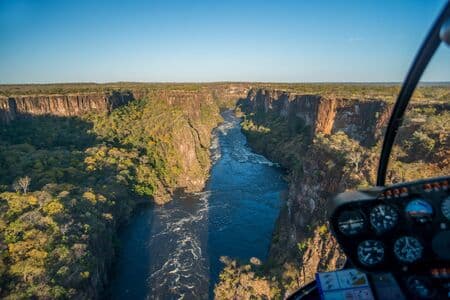
Discover how to create unforgettable safari experiences tailored for children.
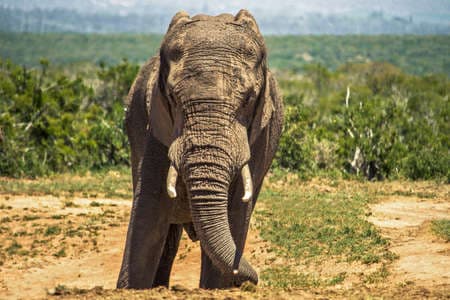
Image via 123RF
Get in touch with us and we'll get back to you as soon as possible.
Here's what sets us apart from the competition
We deliver exceptional experiences at fair, transparent prices, ensuring every journey offers genuine quality, comfort, and unforgettable adventure without unnecessary costs.
Your journey is crafted around your interests, pace, and travel style, giving you a custom-made adventure that feels authentic, meaningful, and entirely your own.
From planning to your final day of travel, our dedicated team is available to guide, assist, and ensure your trip runs smoothly and stress-free.
Find answers to common questions
Pack lightweight, neutral-coloured clothing, a warm layer for early-morning drives, sturdy shoes, sun protection, insect repellent, a good camera/binoculars, and any required medications or vaccinations after consulting your healthcare provider and local travel advice.
We work with a curated network of vetted lodges, camps, guides, and ground operators selected for local knowledge, safety standards, experience, and suitability to the traveller’s interests and budget.
Yes; itineraries can be tailored for wildlife photography, birding, family-focused activities, honeymooners, and adventure travel, with appropriate accommodations, vehicle options, and guide specialisations arranged on request.
Zimtrek specialises in safaris across Southern and East Africa, with core destinations including Zimbabwe, Botswana, Zambia, South Africa, Namibia, Kenya, and Tanzania.
Zimtrek designs tailor-made safaris including game drives, walking safaris, mobile tented camps, photographic safaris, and combined wildlife-and-cultural itineraries to suit solo travellers, couples, families, and small groups.
In This Article
Unique Safari Experiences
Planning Steps for Families
Avoid Common Pitfalls
A safari with children works best when the trip is designed around attention spans, comfort, and movement rather than trying to copy an adult itinerary. In Southern Africa, that usually means choosing a smaller geographic loop, limiting the number of lodge changes, and building in downtime between game drives. For many families, the smartest approach is one wildlife area plus one softer activity stop, such as Victoria Falls, a river lodge, or a beach extension in Mozambique after the safari.
Family safaris are usually easier to manage when drives are shorter, meals are fixed, and the property has family rooms or interleading units.
The age of the youngest traveller matters. Children under six often do better on private activities and flexible schedules, while school-aged children can usually handle longer game drives if there is a clear reward at the end, such as a picnic, a hide, or a swimming break. Teenagers often want more variety than just game viewing, so a destination with walking, canoeing, or river-based activities can keep the trip engaging.
A family safari should begin with a realistic pace plan. Instead of asking how many countries can be added, ask how many full travel days your children will tolerate before the trip feels tiring. In Zimbabwe, Botswana, Zambia, Namibia, and South Africa, short internal flights or road transfers can work well, but too many hops create fatigue and reduce time in the field. Zimtrek often helps families narrow a trip to two well-matched stops rather than stretching across several regions.
| Step | What to decide | Why it matters for children |
|---|---|---|
| 1 | Select the safari style | Private, lodge-based, or mobile camp options affect flexibility and comfort. |
| 2 | Choose the travel window | School holidays and dry-season demand can affect availability and pricing. |
| 3 | Set the number of nights | Three to four nights per stop is often easier than frequent moving. |
| 4 | Confirm lodge rules | Age limits, game drive policies, and child-minding options can change the fit. |
A useful starting point for one safari stop before moving on
If you are planning from outside Africa, it also helps to think about flight arrival times. Landing in Johannesburg or Victoria Falls late in the day and transferring immediately to a lodge can be exhausting for children. An overnight city stop can reduce stress and protect the first safari day from delay or sleep loss.
The right accommodation does more for a child-friendly safari than almost any other planning choice. Look for lodges that offer family suites, villas, or chalets with enough space to separate sleeping areas. A pool, shaded outdoor area, and early dining service are practical features, not extras. In Southern Africa, properties near private concessions or well-managed wildlife areas often give families a better balance of easy viewing and limited crowding.
Ask whether the lodge can arrange private game drives, flexible mealtimes, or shorter departures for younger children. These details often matter more than room size alone.
Activity choice should match age and energy. For younger children, a short nature walk, animal tracking demonstration, or birdwatching session may be more rewarding than a long game drive. Older children may enjoy canoeing on calm water, rhino tracking on foot where permitted, or a junior ranger-style learning session. In places such as Hwange, Chobe, the Okavango fringe, Etosha, or the Greater Kruger area, families can often build a day around one main drive and one quieter activity.
| Accommodation feature | Best for | Planning note |
|---|---|---|
| Family suite or villa | Families with younger children | Gives privacy and easier bedtime routines. |
| Private vehicle | Mixed-age families | Allows shorter drives and stop-start flexibility. |
| Fence or private concession | First-time safari families | Can feel easier to manage logistically. |
| Pool and indoor backup space | Children who need breaks | Useful for midday downtime or weather changes. |
The best family-friendly properties are not always the most famous ones. Often, a well-run midrange lodge with attentive guides, good food timing, and clear child policies will outperform a bigger property that feels less personal. Zimtrek’s strength is matching families to lodges that suit their rhythm, not just their destination.
Before confirming the trip, use a simple checklist to catch the details that often cause stress later. Confirm bedroom arrangements, transfer times, whether car seats can be arranged, and whether activities have age minimums. Check if the itinerary includes long border crossings, late-night arrivals, or back-to-back game drives without rest. Those are the planning points most likely to affect children’s enjoyment.
A safari that looks manageable on a map can feel rushed in real life if it includes too many transfers, early departures, or full-day activities for small children.
A successful family safari is not built on doing more; it is built on doing the right amount at the right pace. When the plan is tailored to your children’s ages and your family’s travel style, the result is a trip that feels relaxed, memorable, and genuinely enjoyable for everyone.
The most common mistake is trying to fit too much into one trip. Families often want to include several parks, a city stop, a coast, and multiple lodges, but children usually benefit more from fewer moves and clearer routines. Another frequent issue is choosing a lodge purely for scenery without checking whether it actually suits the youngest traveller. A beautiful camp can still be a poor fit if mealtimes are fixed too late, the rooms are too small, or the activities are geared only to adults.
Families also underestimate transfer fatigue. A four-hour road journey can feel much longer for children if it follows an early wake-up and a game drive. Where possible, Zimtrek recommends building in recovery time after arrival and before the next major drive. If your family is travelling during school holidays, book early enough to secure the room configuration you need; the most suitable family units are often the first to sell out.
A common planning error is assuming every safari area is child-appropriate. Age policies, drive length, and camp design vary significantly from one lodge to another.
Children usually remember the interactive moments, not the longest drives. In Southern Africa, some of the most effective kid-friendly experiences are simple and tactile: tracking footprints in soft sand, learning how to identify dung and scat, watching elephants from a hide, or listening for bird calls at dawn. These experiences turn a safari into a story they can explain afterward, which is often more meaningful than ticking off a species list.
Families can also look for destinations where the wildlife experience is paired with something playful or educational. Boat rides on the Chobe River, guided nature walks on safe private terrain, or a visit to a conservation centre can add variety without losing the safari feel. In Zimbabwe, areas near Victoria Falls and Hwange can work well for families that want a blend of big scenery, wildlife, and easier logistics. In South Africa, the Greater Kruger region often gives families a good mix of lodge choice and activity options. Botswana can be especially appealing for families who want a quieter, more exclusive feel, while Namibia works well when the trip combines wildlife with open landscapes and self-drive flexibility.
| Destination | Why it works for families | Best use case |
|---|---|---|
| Victoria Falls, Zimbabwe | Easy to combine activities and shorter stays | First safari trip or mixed-interest family holiday |
| Hwange, Zimbabwe | Strong wildlife viewing and lodge variety | Families wanting a classic safari focus |
| Chobe, Botswana | River and land activities in one area | Families who like flexible activity choices |
| Greater Kruger, South Africa | Wide range of family lodges and access options | Families wanting more accommodation choice |
Safari safety for children starts with supervision and simple rules. Children should understand that animals are never approached, that they stay seated in vehicles, and that they ask before moving away from the group. Parents should also check whether the lodge uses fenced grounds, escort policies after dark, or age rules for walking activities. These are practical details, not signs of concern; they are part of how good safari properties manage the environment responsibly.
The best family safari guides explain animal behaviour in a way children understand, turning each drive into a lesson about habitats, tracks, and conservation.
Educational value should happen naturally. A child who learns why elephants push over trees, how birds react to changing seasons, or why waterholes attract so much activity will often stay engaged longer than one who is just told to “watch for animals.” This is one reason guided safaris are so effective for families: the guide becomes both interpreter and pace-setter. If children are very young, short and frequent explanations work better than long lectures.
For practical packing, think in terms of comfort and continuity. Bring sun protection, light layers for mornings, a small torch, familiar snacks, and a few quiet activities for transfer days. If your itinerary includes private camps, ask in advance about laundry turnaround and whether drinks or snacks are available between meals. Small conveniences reduce friction and make the whole trip feel smoother.
Southern Africa is especially well suited to family safari planning because it offers a wide range of travel styles within relatively manageable distances. Zimbabwe is strong for Victoria Falls plus wildlife areas such as Hwange. Botswana works well for families who value quieter camps and river-based experiences. South Africa offers the broadest lodge selection and easy flight access for many international travellers. Namibia suits families who enjoy open landscapes, road journeys, and a mix of wildlife and scenery. Zambia can work well for families wanting a more intimate bush experience with excellent guiding in select areas. For travellers who want a beach add-on after safari, parts of South Africa can also combine easily with coastal stays.
The right choice depends on whether your family wants more activity variety, more wildlife focus, or more comfort and simplicity. Zimtrek often recommends starting with the family’s priorities rather than the destination name. If children need short transfers and pool time, a lodge cluster near a major hub may be best. If the family wants a quieter escape and fewer crowds, a smaller concession or river camp may be the better fit.
Get in touch with us and we'll get back to you as soon as possible.
Here's what sets us apart
We deliver exceptional experiences at fair, transparent prices, ensuring every journey offers genuine quality, comfort, and unforgettable adventure without unnecessary costs.
Your journey is crafted around your interests, pace, and travel style, giving you a custom-made adventure that feels authentic, meaningful, and entirely your own.
From planning to your final day of travel, our dedicated team is available to guide, assist, and ensure your trip runs smoothly and stress-free.
Don't just take our word for it
Keep reading