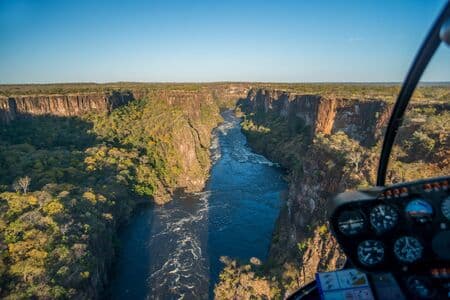
A comprehensive guide to planning personalized safari adventures tailored to your preferences.
Image via 123RF
Get in touch with us and we'll get back to you as soon as possible.
Here's what sets us apart from the competition
We deliver exceptional experiences at fair, transparent prices, ensuring every journey offers genuine quality, comfort, and unforgettable adventure without unnecessary costs.
Your journey is crafted around your interests, pace, and travel style, giving you a custom-made adventure that feels authentic, meaningful, and entirely your own.
From planning to your final day of travel, our dedicated team is available to guide, assist, and ensure your trip runs smoothly and stress-free.
Find answers to common questions
Pack lightweight, neutral-coloured clothing, a warm layer for early-morning drives, sturdy shoes, sun protection, insect repellent, a good camera/binoculars, and any required medications or vaccinations after consulting your healthcare provider and local travel advice.
We work with a curated network of vetted lodges, camps, guides, and ground operators selected for local knowledge, safety standards, experience, and suitability to the traveller’s interests and budget.
Yes; itineraries can be tailored for wildlife photography, birding, family-focused activities, honeymooners, and adventure travel, with appropriate accommodations, vehicle options, and guide specialisations arranged on request.
Zimtrek specialises in safaris across Southern and East Africa, with core destinations including Zimbabwe, Botswana, Zambia, South Africa, Namibia, Kenya, and Tanzania.
Zimtrek designs tailor-made safaris including game drives, walking safaris, mobile tented camps, photographic safaris, and combined wildlife-and-cultural itineraries to suit solo travellers, couples, families, and small groups.
In This Article
Personalized Planning
Avoid Common Pitfalls
Unique Local Experiences
Planning a tailor-made safari works best when you treat it like a design process rather than a fixed package search. Start with the experience you want, then shape the route, lodge style, transport, and pacing around it. That order matters because Africa’s safari regions vary widely: a trip built around wildlife photography in Botswana’s wetlands will feel very different from one focused on family-friendly game viewing in South Africa’s private reserves or a combination of Victoria Falls and a Zimbabwe safari.
Zimtrek’s planning approach is built around matching your travel style to the right geography, not forcing one standard itinerary onto every traveller.
The most useful starting point is to decide what kind of rhythm you want. Some travellers want three or four game drives in a row and time to relax at a lodge. Others prefer short transfers and a mix of safari, scenery, and culture. Because Southern Africa can combine bush, river, desert, coast, and city in one journey, the right itinerary is often about balance rather than trying to see too much.
core decisions shape most successful safari plans: pace, budget, and destination mix
A strong itinerary answers practical questions before they become problems. How far are you willing to travel between lodges? Do you want private guiding or shared game drives? Are you prioritising wildlife density, scenery, exclusivity, or comfort? A tailor-made safari should also account for the realities of family travel, honeymoon travel, or multi-generational trips, where the ideal day length and activity mix can differ sharply.
| Planning choice | Best for | Why it matters |
|---|---|---|
| Short driving distances | Families and first-time safari travellers | Reduces fatigue and keeps the trip relaxed |
| Fly-in safari routing | Luxury travellers and time-limited trips | Saves time across remote regions |
| Mixed safari and scenic route | Repeat visitors | Adds variety without losing wildlife focus |
If you are comparing options, Zimtrek’s destination knowledge is especially useful for travellers who want a journey that feels smooth rather than complicated. The strongest itineraries are usually the ones that limit unnecessary transfers and concentrate on a few well-chosen areas. For a wider sense of where different safari styles fit, Zimtrek’s popular destinations page is a helpful starting point.
Begin by naming the non-negotiables. Do you want elephants and river scenery, predator-focused game viewing, or a quieter bush setting? Are you planning a honeymoon, family holiday, photography trip, or a first safari for children? Preferences should also include the practical side: preferred accommodation style, tolerance for early mornings, and whether you want one base or a multi-stop itinerary.
When travellers are clear on pace and priorities, itinerary quality improves immediately because every later decision becomes easier to align.
For example, a couple celebrating an anniversary may value a private deck, slower breakfasts, and one or two standout safari locations. A family with school-age children may need shorter drives, flexible meals, and properties with easy room configurations. A wildlife photographer may want long game-drive windows and lodges with access to productive habitats rather than purely scenic settings. The more honestly you define these preferences, the more likely your trip is to feel personal rather than generic.
Budget planning in safari travel is less about chasing a headline rate and more about deciding where value matters most. In Southern Africa, costs are shaped by season, lodge category, transfer method, and whether you choose private guiding or shared activities. A mid-range trip in Zimbabwe or South Africa can be excellent value, while exclusive camp settings in Botswana or remote fly-in combinations typically sit higher because logistics are more complex.
| Budget focus | Typical trade-off | Planning note |
|---|---|---|
| Value-conscious | Less exclusivity, more shared logistics | Choose one or two strong safari areas instead of many short stops |
| Mid-range | Balanced comfort and access | Often the sweet spot for couples and families |
| Higher-end | More privacy and smoother transfers | Useful when comfort, service, and time efficiency matter most |
A practical budget should include accommodation, transfers, park fees, guiding, meals, and selected activities. It also helps to keep a contingency for seasonal surcharges or itinerary changes. For Zimbabwe-based itineraries, quoting in US Dollars is common for planning purposes, especially where lodge rates and cross-border services are involved. Zimtrek can help travellers compare where to save and where not to compromise, which is often more valuable than simply choosing the lowest total price.
The best destination mix depends on what you want each day to feel like. Botswana is often chosen for water-based wilderness, remote camps, and a quieter safari atmosphere. South Africa can suit travellers who want easier road access, private reserves, and a wider range of lodge styles. Zimbabwe and Zambia are strong choices for travellers who want to pair wildlife with major natural highlights and efficient regional routing. Namibia brings a very different landscape-led safari feel, while Zambia can be excellent for river-and-bush combinations.
Avoid selecting destinations only because they sound famous. The best route is the one that fits your time, mobility, and travel style.
Zimtrek’s strength is in combining places that work well together rather than stringing together too many stops. A three-stop journey may look ambitious on paper, but a two-stop route with the right lodge pairings often delivers a better safari. For many travellers, the value comes from reducing transit fatigue and increasing the quality of time on the ground.
Once the geography is set, choose the wildlife style that suits you. Some travellers want classic dawn and dusk game drives. Others prefer boat safaris, walking safaris, photographic hides, or bird-focused outings. Southern Africa offers enough variety to make this a meaningful decision. A walking safari can feel very different from a vehicle-based drive, and a river safari can reveal elephant behaviour, birdlife, and shoreline activity in a way that inland reserves cannot.
| Experience type | Best suited to | Planning advantage |
|---|---|---|
| Game drives | First-time safari travellers | Flexible and widely available across regions |
| Walking safari | Active travellers | Adds interpretation and a closer bush perspective |
| Boat or river safari | Photographers and birders | Creates different viewing angles and calmer movement |
| Hide-based viewing | Serious wildlife watchers | Allows longer, quieter observation periods |
When deciding, think about the people travelling with you. Children may enjoy shorter, more varied outings. Couples may prefer more intimate experiences. Repeat safari travellers often want one signature activity that changes the feel of the whole trip, such as a canoe excursion, a private photographic vehicle, or a specialist guide. The right mix makes the itinerary feel designed, not assembled.
Accommodation is not just where you sleep; it determines the pace, atmosphere, and quality of each day. Lodges near key wildlife areas reduce transfer time, while camps with strong guiding can elevate the whole safari experience. In practical terms, it is better to choose a lodge that matches your goals than to chase a room category alone. Transport is equally important. A road transfer may suit a short regional hop, while a fly-in link can make sense where distances are long or roads are less direct.
Ask how each transfer works in real life: luggage limits, waiting times, road conditions, and whether you will be met by the same operator throughout the route.
A useful rule is to match transport to the rest of the trip. If you want a relaxed family safari, keep movement simple and limit lodge changes. If you are building a high-comfort itinerary, fly-in links may be worth it because they protect time on safari. If you are combining destinations such as Victoria Falls, Chobe, and Hwange, route design becomes especially important, and local planning can prevent unnecessary backtracking.
The most common mistake is trying to fit too many places into one holiday. Safari travel is more rewarding when there is time to settle in, watch patterns, and enjoy the lodge environment. Another frequent issue is ignoring the relationship between destination and season. Some areas are more rewarding at certain times for water flow, visibility, or wildlife concentration, so the itinerary should reflect that reality rather than relying on a one-size-fits-all date.
Travellers also sometimes overlook the difference between included and excluded costs. An itinerary may appear straightforward until park fees, internal flights, transfers, premium drinks, or activities are added. It is smarter to ask what is covered from the start. The other major mistake is choosing only by online imagery. Beautiful photos can hide long road transfers, impractical lodge locations, or a pace that does not suit your group.
A strong safari brief usually fits on one page. If it is clear, specific, and honest about priorities, planning becomes much faster and more accurate.
The most memorable safaris often include more than wildlife viewing. In Zimbabwe, Botswana, Namibia, South Africa, and Zambia, local experiences can add depth without diluting the safari focus. These may include guided community visits, short cultural interactions, river or wetland outings, conservation-focused talks, or time in regions known for artisan work and regional food. The goal is not to overload the itinerary, but to add one or two experiences that make the journey feel rooted in place.
Zimtrek often recommends choosing experiences that connect naturally to the route. For example, a Victoria Falls stay can combine easily with river-based activities, while a Botswana journey might lean toward water, birdlife, and slower camp rhythms. A South African itinerary may work well with a private reserve and a nearby scenic or cultural stop. These additions are most effective when they match the traveller’s energy and the geography, rather than being added just to fill time.
From a planning perspective, the best itineraries share three traits: they are realistic, they are paced properly, and they use local knowledge. Realistic planning means understanding travel time and seasonal conditions. Proper pacing means leaving room for rest, spontaneous wildlife moments, and a few quiet hours at camp. Local knowledge matters because it helps identify which lodges, guides, and routes are most suitable for your exact travel dates.
Zimtrek’s team works with curated accommodation and ground partners across Southern Africa to reduce friction in the journey. That matters when you want transfers to connect smoothly, activities to line up with lodge locations, and the overall route to make sense from one stop to the next. For travellers who want a more confident planning process, the about page gives useful context on the brand’s approach, while the contact and planning page is the next step when you want a route built around your dates and priorities.
A custom safari becomes truly rewarding when each decision is made in the right order: define your style, set your budget, choose the right destinations, select the wildlife experiences that matter most, and then match accommodation and transport to the trip you want. That process turns a long list of options into a coherent journey. With local guidance and thoughtful routing, your safari can feel personal, smooth, and well matched to your expectations.
Get in touch with us and we'll get back to you as soon as possible.
Here's what sets us apart
We deliver exceptional experiences at fair, transparent prices, ensuring every journey offers genuine quality, comfort, and unforgettable adventure without unnecessary costs.
Your journey is crafted around your interests, pace, and travel style, giving you a custom-made adventure that feels authentic, meaningful, and entirely your own.
From planning to your final day of travel, our dedicated team is available to guide, assist, and ensure your trip runs smoothly and stress-free.
Don't just take our word for it
Keep reading