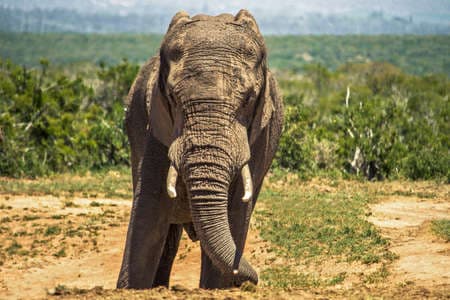
Discover how to create a memorable family safari experience that combines adventure, comfort, and safety.
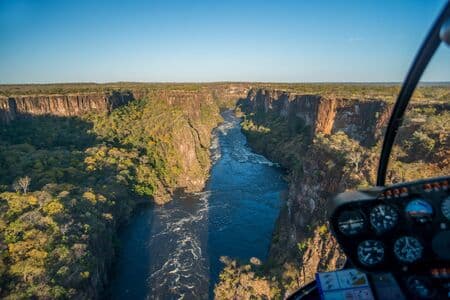
Get in touch with us and we'll get back to you as soon as possible.
Here's what sets us apart from the competition
We deliver exceptional experiences at fair, transparent prices, ensuring every journey offers genuine quality, comfort, and unforgettable adventure without unnecessary costs.
Your journey is crafted around your interests, pace, and travel style, giving you a custom-made adventure that feels authentic, meaningful, and entirely your own.
From planning to your final day of travel, our dedicated team is available to guide, assist, and ensure your trip runs smoothly and stress-free.
Find answers to common questions
Pack lightweight, neutral-coloured clothing, a warm layer for early-morning drives, sturdy shoes, sun protection, insect repellent, a good camera/binoculars, and any required medications or vaccinations after consulting your healthcare provider and local travel advice.
We work with a curated network of vetted lodges, camps, guides, and ground operators selected for local knowledge, safety standards, experience, and suitability to the traveller’s interests and budget.
Yes; itineraries can be tailored for wildlife photography, birding, family-focused activities, honeymooners, and adventure travel, with appropriate accommodations, vehicle options, and guide specialisations arranged on request.
Zimtrek specialises in safaris across Southern and East Africa, with core destinations including Zimbabwe, Botswana, Zambia, South Africa, Namibia, Kenya, and Tanzania.
Zimtrek designs tailor-made safaris including game drives, walking safaris, mobile tented camps, photographic safaris, and combined wildlife-and-cultural itineraries to suit solo travellers, couples, families, and small groups.
In This Article
Tailored Family Experiences
Engaging Activities
Common Pitfalls
A family safari works best when the trip is built around your children’s ages, your preferred pace, and the kind of wildlife experience your family will enjoy together. The strongest itineraries are not the ones with the most game drives. They are the ones that balance travel time, rest, engaging activities, and enough flexibility for tired children, early bedtimes, or a surprise interest in birds, tracks, or local stories. For families travelling with Zimtrek across Southern Africa, that usually means choosing one or two well-connected destinations, using lodges that understand family needs, and planning each day around realistic energy levels rather than trying to see everything.
The best family safaris in Southern Africa are usually built around shorter travel legs, child-friendly lodges, and a mix of wildlife, water, and cultural activities.
In practical terms, families often do better in destinations where logistics are manageable and the experience can be adjusted from day to day. Zimbabwe’s Victoria Falls area, Botswana’s Chobe region, parts of Namibia, and South Africa’s private reserves are strong options because they allow a combination of safari, scenery, and downtime. Zambia and Zimbabwe also work well when you want a safari paired with a major landmark such as Victoria Falls. Zimtrek’s role is to shape the route so that transfers, meal times, and activity choices support the family rather than overwhelm it. That might mean a three-night stay split between a river lodge and a safari camp, or a slow-paced itinerary with a private vehicle so children can leave a drive early if needed.
well-chosen stops often work better than a rushed multi-country plan for younger families
Destination choice should start with a simple question: what will keep your family interested without making the trip feel like a commute? For younger children, places with shorter transfer times and varied activities are usually better than remote routes with long road days. For teenagers, destinations with water-based activities, scenic variety, and active elements can keep the trip engaging between game drives. In Southern Africa, families often compare Victoria Falls and Chobe for a first safari, while Hwange, Kruger, Etosha, and the Okavango region can work well once the family is comfortable with wildlife travel and a bit more movement between stays.
| Destination | Why it works for families | Best fit |
|---|---|---|
| Victoria Falls, Zimbabwe | Easy to pair sightseeing, river cruises, and short safari outings | First-time family safari or mixed-age groups |
| Chobe, Botswana | Strong wildlife viewing with boat and land activities | Families that want variety without constant packing |
| Kruger region, South Africa | Wide lodge choice and easier self-contained planning | Families seeking comfort and flexibility |
A good destination should also match the season you are travelling in. In the dry months, wildlife is often easier to find near water, but temperatures can be higher. In greener months, landscapes are richer and lodges may be quieter, though some roads can be slower after rain. Rather than chasing a single “best” country, it is smarter to choose the location that suits your family’s travel rhythm, then build the safari around that. Zimtrek’s popular destinations page is a useful starting point for comparing the main Southern Africa options.
Accommodation shapes the whole trip because it determines meal timing, room setup, flexibility, and how comfortable your children feel between activities. The most practical family lodges are not necessarily the fanciest. They are the ones that can place everyone close together, offer suitable room types, and understand that families may need earlier dinners, shorter drives, or private use of a guide. When comparing lodges, ask whether they offer family rooms, interleading rooms, extra beds, child minding, flexible dining, and age rules for game drives or walking activities.
A lodge that looks ideal online may still have minimum age limits for certain activities, so it is worth checking these details before confirming.
For many families, the best setup is a lodge with one main base and a private guide or vehicle added where possible. That reduces pressure on children to match other guests’ pace and gives parents control over start times and stop points. In some cases, a bush villa or private-use house can be a better value than booking several separate rooms, especially if grandparents or older children are travelling too. Zimtrek works with a curated network of trusted accommodation partners, so the focus is on matching the property to the family rather than forcing the family into a fixed package.
Activities should be chosen like a family schedule, not a brochure. Younger children often enjoy short game drives, pool time, animal tracking, boat rides, and hands-on storytelling. Older children and teens may prefer fishing, canoeing, stargazing, photography, or a longer wildlife drive with more interpretation from a guide. Adults usually appreciate a mix of wildlife, scenery, and time to relax. The most successful family safaris create an alternating rhythm: one active session, one calmer session, then one experience that feels special to everyone.
| Age group | Activities that usually work well | What to avoid |
|---|---|---|
| Ages 4-7 | Short drives, lodge nature walks, craft or wildlife-learning sessions | Long drives and late dinners |
| Ages 8-12 | Boat cruises, animal tracking, junior ranger-style learning | Overpacked days with no downtime |
| Teens | Photography, adventure add-ons, private drives, cultural visits | Itineraries that feel too slow or repetitive |
If your family has very different ages, it is worth dividing the day into “together” and “optional” experiences. A morning safari drive may suit everyone, while an afternoon canoe trip or village visit could be better for the older children and adults. That approach keeps the trip cohesive without forcing one activity style onto the whole group. The more varied the itinerary, the more likely each family member will remember something meaningful instead of just the transfer times.
Customization is where a family safari becomes genuinely workable. The right itinerary reflects how your household travels, not how a standard group tour is built. Some families need a private vehicle because children tire quickly. Others need extra space, child-friendly menus, or a slower schedule because naps, school-age energy dips, or grandparents are part of the trip. Zimtrek builds around these realities by adjusting destination sequence, lodge style, transfer method, and activity intensity. That can mean keeping one property as a base, adding a scenic stop in Victoria Falls, or pairing a safari area with a beach or relaxation component later in the trip if the family wants more balance.
The most useful customization is often not adding more stops. It is removing unnecessary movement so the family has more energy for the experiences that matter.
A tailor-made itinerary also helps control the pace of the trip. For example, a family with children under ten might do best with two or three nights in each place, while families with older children can usually handle a bit more movement if the route is varied and the transport is efficient. In Southern Africa, road transfers are often part of the experience, but they should be planned with realistic timing and comfortable breaks. When children are involved, a journey that seems short on a map can feel much longer if it includes border procedures, rough roads, or poorly timed departures. That is why route design matters as much as the destination itself.
Before confirming anything, work through a practical checklist that covers both comfort and logistics. This avoids the common mistake of focusing only on wildlife and ignoring the details that make a trip easy to live with day to day. A family safari should feel exciting, but it should also be organized enough that parents can relax.
well-structured checklist can prevent most family travel frustrations before they start
The most common mistake is choosing a trip that is too ambitious for the family’s age mix. Long road transfers, too many lodges, and back-to-back early starts can turn an exciting holiday into a tiring one. Another frequent issue is assuming every safari experience suits children in the same way. Some properties welcome young travellers warmly, while others are better for older children or teens because of vehicle rules, walking restrictions, or the overall pace. It also helps to avoid the idea that “more wildlife” automatically means a better family trip. For many families, the best trip is the one where children stay interested long enough to ask questions and actually enjoy the viewing.
A final mistake is underestimating the planning around meals, weather, and attention spans. Hungry or tired children are not a small detail on safari; they shape the whole day. Families who build in snack time, pool breaks, and a flexible afternoon activity usually have a better experience than those who try to fill every hour. Zimtrek’s planning approach is designed to avoid those pressure points by matching the route to the family’s real pace rather than to a rigid itinerary template.
Timing is about more than choosing a month. It also includes flight schedules, transfer durations, and the order of activities. Many Southern Africa family safaris work best when international arrival is followed by a gentle first night, not an immediate transfer into the bush. If you are pairing cities, waterfalls, and safari, it helps to place the most energetic experiences after everyone has adjusted. For families flying long-haul, a one-night stop in a major gateway can reduce stress. For regional African travellers, road access and school holiday periods may matter more than long-haul jet lag.
| Planning decision | Why it matters | Practical approach |
|---|---|---|
| Arrival timing | Jet lag can affect mood and attention | Use a soft first day with minimal activity |
| Transfer length | Children tolerate shorter road days better | Limit long drives or split them with a stop |
| Season choice | Weather and road conditions affect comfort | Select dates that fit your family’s preferred pace |
Southern Africa’s safari areas can vary a lot in temperature, dust, humidity, and rainfall, sometimes within the same trip. Families should pack for layering rather than a single climate. Light clothing, a warm layer for early drives, hats, closed shoes, and rain protection can make a noticeable difference. In the dry season, dust and cooler mornings are common in many safari areas. In wetter months, roads can be muddier and clothing may need to dry overnight. For beach-and-safari combinations, parents should also think about swimwear, sun protection, and spare clothes for children after active days.
Avoid packing only for midday temperatures. Early game drives and evening returns are often much cooler than families expect.
Family safari planning should include health and safety preparation well before departure. That usually means reviewing travel insurance, confirming any child-specific medication, and checking destination guidance for malaria or other seasonal considerations with a qualified travel health provider. Safety on safari also depends on following lodge instructions, keeping children close around wildlife areas, and understanding when an activity is suitable for their age. The goal is not to create anxiety; it is to remove avoidable surprises so the family can enjoy the trip calmly.
If your family is visiting parks or reserves where open areas, water, or unfenced camp layouts are part of the experience, explain the rules to children in simple language before arrival. Families who prepare ahead usually settle in faster because everyone knows what to expect. For trusted planning support, Zimtrek’s contact and planning page is the best place to start a custom conversation about route choices, lodge fit, and pacing.
The strongest family safaris are not built around doing everything. They are built around doing the right things in the right order, with enough comfort and flexibility to keep the whole group engaged. When the destination, lodge, activities, and timing are matched to your family’s needs, safari travel becomes less about managing logistics and more about sharing a memorable experience together. That is where a tailor-made approach makes the biggest difference, especially across the varied landscapes of Southern Africa.
Get in touch with us and we'll get back to you as soon as possible.
Here's what sets us apart
We deliver exceptional experiences at fair, transparent prices, ensuring every journey offers genuine quality, comfort, and unforgettable adventure without unnecessary costs.
Your journey is crafted around your interests, pace, and travel style, giving you a custom-made adventure that feels authentic, meaningful, and entirely your own.
From planning to your final day of travel, our dedicated team is available to guide, assist, and ensure your trip runs smoothly and stress-free.
Don't just take our word for it
Keep reading