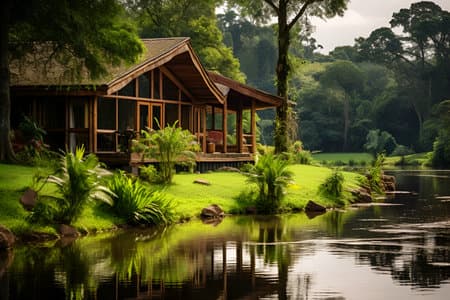
Choosing the right lodge to enhance your safari experience.
Get in touch with us and we'll get back to you as soon as possible.
Here's what sets us apart from the competition
We deliver exceptional experiences at fair, transparent prices, ensuring every journey offers genuine quality, comfort, and unforgettable adventure without unnecessary costs.
Your journey is crafted around your interests, pace, and travel style, giving you a custom-made adventure that feels authentic, meaningful, and entirely your own.
From planning to your final day of travel, our dedicated team is available to guide, assist, and ensure your trip runs smoothly and stress-free.
Find answers to common questions
Zimtrek arranges a range of accommodations including tented camps, mobile camps, permanent safari lodges, and guesthouses, selected to match different travel styles and budgets.
Pack lightweight, neutral-coloured clothing, layers for cool mornings and evenings, sturdy footwear, a wide-brimmed hat, sunscreen, insect repellent, and any personal medications; specific gear may be recommended depending on your activities.
We partner with a curated network of operators based on reputation, location, conservation practices, guiding quality, and guest reviews to ensure reliable standards and seamless logistics.
Most partner lodges and camps can accommodate dietary needs and special requests if informed in advance; Zimtrek will pass requests to the property and confirm arrangements during booking.
Yes; Zimtrek designs tailor-made itineraries and can secure family-friendly rooms, connecting tents, or private-use campsites to accommodate families and small groups.
In This Article
Lodge Types Explained
Key Considerations
Personalized Recommendations
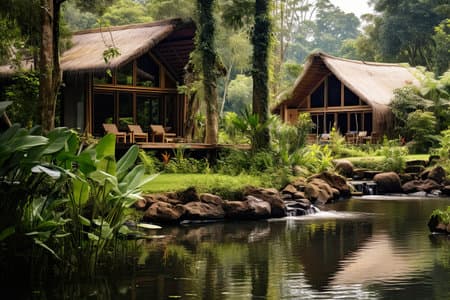
Choosing a safari lodge is not just about finding a room near a park gate. The type of lodge you book changes the pace of your trip, how often you get into wildlife areas, how much structure you have around meals and activities, and whether the experience feels social or private. In Southern Africa, the words lodge, tented camp, and safari hotel are often used loosely, but they do not mean the same thing. A lodge usually offers permanent rooms or chalets with a full-service setup. A tented camp may feel more intimate and closer to nature, even when the tents are luxurious with proper beds, ensuite bathrooms, and deck views. A safari hotel is more likely to be inside a town or at a gateway area, which can work well if you want more restaurants and flexibility but usually means longer drive times to wildlife areas.
A lodge that is close to a reserve entrance can save time every day, but a lodge inside a private concession may give you better access to quieter game drives and fewer vehicles at sightings.
For travellers planning in Zimbabwe, Botswana, Namibia, South Africa, Zambia, or the wider Southern African circuit, the lodge type should match the kind of safari you want. For example, a permanent riverside lodge in Chobe can suit travellers who want classic comfort and easy boat-and-game-drive combinations. A smaller bush camp in Hwange or the Okavango Delta may suit those who value immersion, fewer rooms, and a more intimate guide-led experience. If you are travelling with older relatives or children, a lodge with paved paths, family rooms, and predictable meal times can reduce friction. If you are a wildlife photographer, a camp with a good hide, early departures, and flexible meal scheduling often matters more than a larger spa or formal restaurant. Understanding safari costs can greatly aid in making the right choice.
| Lodge type | Typical setup | Best suited to |
|---|---|---|
| Permanent safari lodge | Private rooms or chalets, restaurant, lounge, full service | Travellers wanting comfort and structure |
| Tented camp | Canvas accommodation with ensuite facilities, closer bush feel | Guests prioritising atmosphere and guiding |
| Safari hotel | Hotel-style rooms, often near town or gateway areas | Short stays and flexible itineraries |
The most useful question is not which type is best in general, but which type fits your trip purpose. If you are combining wildlife with a city stop in Johannesburg, Windhoek, or Victoria Falls town, a safari hotel or city-edge lodge may make sense for one night. If your entire journey is about being in the bush, a smaller camp within a private area usually gives a stronger sense of place. Zimtrek often looks beyond the room category and examines where meals are served, how transfers work, and whether the property’s location supports the specific activities you care about.
Location is one of the biggest factors in lodge selection because it affects how much of your day is spent watching wildlife rather than driving to it. A lodge inside a private concession usually offers more exclusive game-drive access and can reduce the number of vehicles at a sighting. A lodge outside the park may still be an excellent choice if it sits very close to a gate, but you need to factor in gate opening times, road conditions, and whether your game drives start from the property or after a transfer. In destinations such as Chobe, Hwange, the Kruger region, Etosha, and the Okavango waterways, the difference between an inside-the-park stay and an outside-the-park stay can be substantial.
Can be the daily time saved when you stay closer to a core wildlife area instead of a distant gateway town.
For travellers who only have two or three nights, proximity becomes even more important. A lodge near a primary wildlife corridor may let you fit in an extra game drive or a relaxed breakfast without rushing. For longer stays, being slightly farther from a gate may be acceptable if the property offers better guides, quieter surrounds, or a stronger water-based safari experience. For example, a riverfront lodge can suit travellers who want a mix of boat trips and game drives, while a lodge on open plains may be better for those focused on predator activity and big-herd movement. Southern Africa’s safari landscapes are varied enough that “near the park” is too vague to be useful; you want to know whether you are near the correct habitat for the experience you want.
A lodge can be near a reserve on a map and still feel inconvenient if the last stretch is slow gravel road, a river crossing, or a gate with limited hours.
Zimtrek’s planning approach is to match the property location with the rhythm of the itinerary. If your route includes Victoria Falls, Chobe, and Hwange, a well-placed first night near the Falls, then a river-focused lodge in Chobe, then a bush lodge in Hwange creates a smoother sequence than staying in a single gateway town and commuting each day. That kind of location logic matters more than flashy descriptions on a booking page.
Amenities should be judged by how they affect your safari day, not by how many features are listed. A pool is nice, but if you return from a morning drive at 11:00 and leave again at 15:30, a shaded deck, quick laundry service, and a reliable lunch schedule may be more valuable. The most useful lodge services usually include private en-suite bathrooms, on-site dining with flexible meal times, charging points in rooms or central areas, laundry turnaround, experienced guides, and transfer support. In more remote parts of Botswana and Zambia, connectivity may be limited, so if you need steady internet for work, you should confirm the quality rather than assume it will be available.
The best safari lodges tend to make logistics feel invisible. That means they coordinate wake-up tea, departure times, packed breakfasts, airport or airstrip transfers, and the timing of afternoon drives. If you are flying into Kasane, Maun, or Victoria Falls, good ground handling can make a short stay much more enjoyable. Some lodges also tailor services for photographers, honeymooners, or families by offering early meal service, private vehicles, or adjoining rooms. These practical details often matter more than a long list of decorative extras.
| Service feature | Why it matters | Who benefits most |
|---|---|---|
| Early breakfast or packed breakfast | Supports full-day game drives and boat trips | Photographers, keen wildlife travellers |
| Laundry service | Reduces packing needs on multi-stop itineraries | Families, long-stay guests |
| Private guiding options | Gives more flexibility and a personalised pace | Couples, serious wildlife enthusiasts |
It is also worth checking what is not included. Some lodges quote rates that cover meals and game drives, while others charge separately for drinks, park fees, premium activities, or transfers. A property that looks expensive at first can be strong value if it includes a lot of the safari logistics you would otherwise pay for separately. Zimtrek often compares these inclusions side by side so travellers can see the real difference between a cheaper-looking rate and a more complete one.
When people compare safari lodges, they often focus on the nightly rate and miss the larger cost picture. True value comes from what the rate includes, how much time the location saves, and whether the property suits the pace of your itinerary. In Southern Africa, two lodges at similar headline prices can deliver very different overall value if one includes full-board dining, twice-daily activities, and transfers, while the other charges separately for every meaningful extra. If you are planning in US Dollars, treat the rate as a starting point and check the fine print carefully. How much cash should I bring on safari?
A mid-range lodge can be the best value for many travellers because it balances comfort, location, and service without the premium pricing of high-end private concessions. For example, a well-run property near a major park may cost less per night than a remote luxury camp, but if it forces long daily transfers, the experience can become less satisfying. Conversely, a higher-category lodge that includes exceptional guiding, all meals, and a prime wildlife location may be worth the extra spend if your trip is short and you want maximum time in the field. The question is not simply how much you spend, but what proportion of your safari is actually on the wildlife front line.
For many Southern Africa itineraries, value improves when you pay a bit more for a better location rather than upgrading only the room category.
Budget also changes with season. Travelling in shoulder periods can sometimes open access to higher-category lodges that would be outside budget during peak dates. The same applies to itinerary design. A shorter stay in an excellent lodge can be more satisfying than stretching your budget across too many nights in a weaker location. If your safari includes multiple regions, Zimtrek can sometimes balance the spend by combining a premium wilderness stay with a more practical lodge near a transit point. That approach keeps the journey comfortable without overcommitting to a single expensive property.
Family travellers and solo travellers often need completely different lodge environments. Families usually benefit from properties with family rooms, flexible mealtimes, shorter transfer times, and activities that work for a range of ages. The ideal family lodge does not just “allow children”; it makes the trip feel manageable. That might mean fenced grounds, swimming areas, early dinners, and guides who are comfortable adjusting the pace of a game drive. In some cases, adjoining rooms or a villa-style setup offers far more practical comfort than booking several standard rooms.
Solo travellers, by contrast, often want a lodge where they can join shared activities without feeling isolated, or they may prefer a small camp where guides and hosts create a naturally social atmosphere. A solo guest may value strong communal dining, reliable transfers, and a setting where getting around is straightforward. For wildlife photographers travelling alone, a private vehicle or a camp with flexible departure times can be worth prioritising over a larger resort-style property. The social dynamic matters too: some lodges feel intimate and conversational, while others are quieter and more private. Neither is better in general; the right choice depends on whether you want companionship, independence, or a balance of both.
| Traveller profile | Best lodge traits | Avoid if possible |
|---|---|---|
| Families | Family rooms, short transfers, flexible meal times, child-friendly guides | Overly formal camps with strict schedules |
| Solo travellers | Shared drives, warm communal areas, easy logistics, smaller camps | Remote properties with limited social interaction |
| Couples | Private decks, quieter lodges, candlelit dining, scenic views | Large properties with a busy resort feel |
Zimtrek tends to recommend lodges based on the travel rhythm of each guest rather than assuming one style suits everyone. A family heading to Victoria Falls and Chobe may do better with a well-located lodge that reduces moving parts. A solo guest on a broader Southern Africa route may benefit from a camp where the guiding and communal atmosphere are especially strong. Thinking this way helps you choose a lodge that improves the whole trip, not just one night of it.
Sustainability is worth examining closely because it affects both the environment and the authenticity of the safari experience. In Southern Africa, eco-friendly lodges often operate in ways that reduce pressure on fragile landscapes: solar power, careful water use, waste separation, and building designs that blend into the surroundings. But sustainability should not be assessed by marketing language alone. A genuinely responsible lodge can explain how it sources water, how it manages electricity, whether it supports conservation fees, and how it limits vehicle congestion around sightings. That level of transparency is more useful than vague green claims.
A lodge that uses fewer imported supplies and works with local staff and suppliers often delivers a more grounded safari experience, not just a lower-impact one.
Eco-friendly does not mean basic. Many of the most appealing tented camps in Botswana, Zimbabwe, and Namibia combine comfort with lower-impact operations. What matters is how those practices affect your stay. Solar systems may limit heavy air-conditioning, which is usually acceptable in cooler seasons but worth considering if you are sensitive to heat. Water-saving design may mean shorter showers or fewer bathing options, which is reasonable in remote landscapes where conservation matters. The best lodges explain these trade-offs clearly so guests know what to expect. If you want a lodge that feels luxurious but also environmentally considered, look for properties that make sustainability part of the guest experience rather than a hidden back-office function.
Zimtrek often advises travellers to think of sustainability in terms of fit. A property that carefully manages energy and water may be an excellent choice for travellers who value responsible tourism, photographers who appreciate quieter operations, or visitors who want to feel more connected to the bush. If your priority is high volumes of air-conditioned indoor space and extensive infrastructure, a city-edge lodge may be better. The point is to choose intentionally, not emotionally. When the lodge’s operating style matches your expectations, you are more likely to enjoy the stay.
Some safari lodges enrich the trip by connecting guests with the communities and cultures around the destination. This can include guided village visits, local craft demonstrations, heritage storytelling, or community-run activities that create income beyond wildlife tourism. In Southern Africa, these experiences can be meaningful when they are genuine, respectful, and well organised. The best examples are not staged performances squeezed into a tight schedule; they are opportunities to learn how a region’s history, language, food, and traditions shape everyday life.
Cultural experiences should be treated as a value-add, not a replacement for wildlife time. A lodge that offers a short visit to a nearby community can be a strong choice if it deepens your understanding of the area without feeling intrusive. Travellers who care about heritage and local connection may appreciate lodges that include community-based guides or support nearby schools, craft cooperatives, or conservation projects. This is particularly relevant in itineraries that combine safari with a cultural stop in Zimbabwe, Zambia, Namibia, or South Africa. The right lodge can act as a bridge between wilderness and local life.
Be cautious of experiences that feel too polished or overly scripted; meaningful cultural interaction usually feels personal, not mass-produced.
If cultural engagement is important to you, ask how the lodge works with local communities and whether activities are optional. That helps you avoid a schedule that feels forced and ensures the experience is aligned with your interests. For some travellers, a lodge with a strong local storytelling culture and a host who knows the area well is more memorable than a larger property with a longer list of facilities. Zimtrek values this kind of depth because it turns a standard safari stay into a more rounded travel experience.
Reviews are useful, but only if you know how to read them critically. A good review usually tells you who wrote it, when they stayed, and what kind of trip they were taking. A family review may be very positive about space and service but less helpful for a solo traveller seeking social atmosphere. Similarly, a honeymoon review may praise privacy without telling you whether the lodge also works well for early morning game drives or practical transfers. The key is to compare reviews from guests whose travel style resembles yours.
Look for repeated themes rather than one-off extremes. If multiple recent reviews mention excellent guiding, reliable transfers, and well-timed meals, that is a useful signal. If several guests mention slow service, poor maintenance, or unexpected extra charges, those are worth taking seriously. It also helps to read reviews with location in mind. A complaint about distance from town may not matter if you actually want a remote bush setting. On the other hand, praise for a room’s decor may be less important than comments about vehicle access, meal timing, or the quality of wildlife viewing.
| Review signal | What it usually means | How to use it |
|---|---|---|
| Repeated praise for guiding | Strong field knowledge and better safari delivery | Prioritise if wildlife time is your main goal |
| Comments about transfer delays | Possible logistics weakness | Check pickup timing and route details before booking |
| Praise for food but not location | Good comfort, but not necessarily a strong safari position | Use alongside other criteria, not alone |
It also helps to compare review platforms with official lodge information. A property may look highly rated, but if the most recent feedback is several years old, you should be cautious. Lodges can change management, refurbish rooms, or alter inclusions. Zimtrek’s planning process looks for consistency across sources, then confirms the details directly where needed. That is especially important for remote safari properties where small operational changes can have a big effect on the guest experience.
Good safari lodges often sell out earlier than travellers expect, particularly for school holidays, long weekends, and peak wildlife seasons. If your trip depends on a specific room type, guide team, or family setup, it is wise to start planning well in advance. The most successful bookings usually begin with the trip framework: dates, number of nights, route, and the kind of experience you want. Once those are clear, you can compare properties on location, inclusions, and transfer convenience. This is much more effective than shopping on rate alone.
A useful booking method is to confirm the itinerary logic before confirming a lodge. For example, if you want a Zimbabwe safari combined with Botswana, you may need to balance air transfers, road transfers, border timing, and lodge check-in windows. A property that seems ideal in isolation may not fit well into the route. Similarly, if you want to stay in a lodge with a strong photographic hide, you should confirm whether access is private, shared, or weather-dependent. Practical details like these often influence whether a lodge works well in real life.
Booking checklist:1. Confirm the exact location and transfer time.2. Check what is included: meals, drinks, activities, park fees, and transfers.3. Ask about room type, family setup, or solo-traveller suitability.4. Verify the lodge’s seasonal operations and road or air access.5. Hold the booking only after the route and dates are aligned.If your safari includes multiple parks, it is often better to secure the hardest-to-book lodge first and then build the rest of the route around it.
When timing matters, flexibility helps. Travelling a few days earlier or later can open better room options or smoother transfer schedules. For families, that may mean getting the right interleading room. For couples, it may mean a quieter suite or a room with a better outlook. For solo travellers, it may mean a camp with a better shared-departure rhythm. Zimtrek uses this kind of sequencing to reduce wasted time and improve the overall safari flow.
The best safari lodge is the one that supports the experience you actually want, not the one that sounds best in a brochure. If your priorities are wildlife time and smooth logistics, choose location first. If your priorities are comfort and predictability, pay close attention to amenities and service structure. If you care about atmosphere, privacy, or cultural depth, the lodge style and operating philosophy matter just as much as the room itself. In Southern Africa, where safari options range from riverfront properties to intimate bush camps and elegant lodge-style stays, the right match can transform a trip from pleasant to deeply memorable.
For many travellers, the ideal approach is to think in layers: destination, access, accommodation style, inclusions, and guest profile. That is how Zimtrek builds itineraries that feel coherent rather than pieced together. A good lodge should not force you to compromise on the most important parts of your journey. It should make the day easier, the wildlife more accessible, and the overall trip feel well considered from start to finish.
Get in touch with us and we'll get back to you as soon as possible.
Here's what sets us apart
We deliver exceptional experiences at fair, transparent prices, ensuring every journey offers genuine quality, comfort, and unforgettable adventure without unnecessary costs.
Your journey is crafted around your interests, pace, and travel style, giving you a custom-made adventure that feels authentic, meaningful, and entirely your own.
From planning to your final day of travel, our dedicated team is available to guide, assist, and ensure your trip runs smoothly and stress-free.
Don't just take our word for it
Keep reading