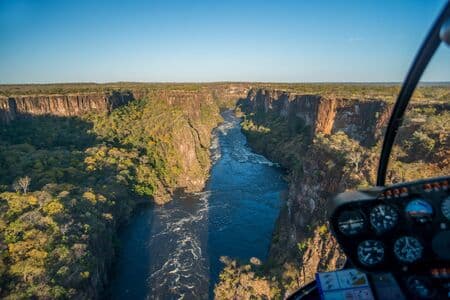
Explore the wilderness of Kruger with expert insights and planning tips.
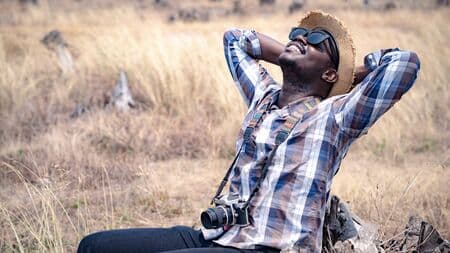
Image via 123RF
Get in touch with us and we'll get back to you as soon as possible.
Here's what sets us apart from the competition
We deliver exceptional experiences at fair, transparent prices, ensuring every journey offers genuine quality, comfort, and unforgettable adventure without unnecessary costs.
Your journey is crafted around your interests, pace, and travel style, giving you a custom-made adventure that feels authentic, meaningful, and entirely your own.
From planning to your final day of travel, our dedicated team is available to guide, assist, and ensure your trip runs smoothly and stress-free.
Find answers to common questions
Pack lightweight, neutral-coloured clothing, a warm layer for early-morning drives, sturdy shoes, sun protection, insect repellent, a good camera/binoculars, and any required medications or vaccinations after consulting your healthcare provider and local travel advice.
We work with a curated network of vetted lodges, camps, guides, and ground operators selected for local knowledge, safety standards, experience, and suitability to the traveller’s interests and budget.
Yes; itineraries can be tailored for wildlife photography, birding, family-focused activities, honeymooners, and adventure travel, with appropriate accommodations, vehicle options, and guide specialisations arranged on request.
Zimtrek specialises in safaris across Southern and East Africa, with core destinations including Zimbabwe, Botswana, Zambia, South Africa, Namibia, Kenya, and Tanzania.
Zimtrek designs tailor-made safaris including game drives, walking safaris, mobile tented camps, photographic safaris, and combined wildlife-and-cultural itineraries to suit solo travellers, couples, families, and small groups.
In This Article
Wildlife Diversity
Safari Activities
Travel Tips
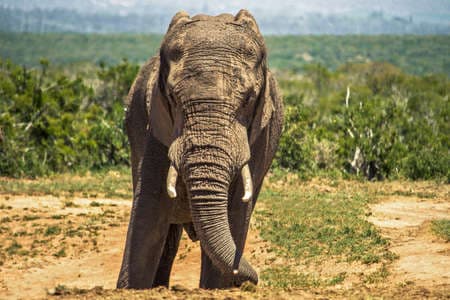
Kruger National Park is one of Africa's largest game reserves, spanning nearly 20,000 square kilometers in the northeastern region of South Africa. This iconic park is renowned for its diverse wildlife, including the Big Five: lions, elephants, buffalo, leopards, and rhinoceros. Visitors from around the globe flock to Kruger not only for the chance to see these magnificent animals but also to experience the park's varied landscapes, rich ecosystems, and cultural heritage.
The park is divided into several camps and regions, each offering unique experiences. From the dense bushveld of the south to the open savannahs in the north, Kruger's terrain provides a home for over 500 bird species, 150 mammals, and numerous reptiles and insects.
Choosing the best time to visit Kruger depends largely on what you hope to see and experience. The dry winter months from May to September are ideal for wildlife viewing. During this period, vegetation is sparse, and animals gather around water sources, making them easier to spot. The temperature is also cooler, providing a more comfortable safari experience.
The summer months, from October to April, are part of the rainy season. While this time brings lush landscapes and newborn animals, it can be challenging for wildlife sightings due to the dense foliage.
| Month | Weather | Wildlife Viewing |
|---|---|---|
| May - September | Dry and Cool | Excellent |
| October - April | Wet and Warm | Good |
A safari in Kruger National Park offers more than just game viewing. Visitors can embark on guided bush walks, night drives, and cultural tours. The park also provides opportunities for bird watching, photography, and relaxing at one of its many rest camps. Each activity is designed to immerse you in the natural beauty and history of the region.
Tip: Book activities in advance to ensure availability, especially during peak seasons.
Kruger National Park is more than just a destination; it's a journey into the heart of Africa's wild beauty. Whether you're a seasoned safari-goer or a first-time visitor, the park offers a variety of experiences that cater to all interests and ages.
Kruger's ecosystems are as varied as its wildlife. The park is divided into six eco-zones, each supporting different flora and fauna. This diversity is key to Kruger's status as a premier wildlife destination. From the riverine forests along the Sabie River to the acacia-dotted savannahs, every corner of the park offers a new perspective on the African wilderness.
The park's wildlife is a major draw for photographers and animal enthusiasts. Besides the Big Five, you can encounter cheetahs, wild dogs, and various antelope species. Birdwatchers will delight in spotting rare species like the Southern Ground Hornbill and the Kori Bustard.
Planning a trip to Kruger requires some preparation to ensure a smooth and enjoyable visit. Here are some practical tips:
Info: Kruger is malaria-risk area; consult a healthcare provider for advice on prophylactics.
When planning your Kruger safari, consider the type of accommodation that best suits your needs. The park offers a range of options from luxury lodges to budget-friendly campsites. Each provides a different level of comfort and access to wildlife.
| Accommodation Type | Features | Ideal For |
|---|---|---|
| Luxury Lodges | All-inclusive, guided tours, private suites | Honeymooners, luxury seekers |
| Self-Catering Camps | Basic amenities, self-drive safaris | Families, budget travelers |
For more immersive experiences, consider booking a stay in one of the park's private concessions. These offer exclusive access to certain areas and often include guided night drives and walking safaris.
Warning: Always adhere to park rules and guidelines to ensure your safety and that of the wildlife.
Get in touch with us and we'll get back to you as soon as possible.
Here's what sets us apart
We deliver exceptional experiences at fair, transparent prices, ensuring every journey offers genuine quality, comfort, and unforgettable adventure without unnecessary costs.
Your journey is crafted around your interests, pace, and travel style, giving you a custom-made adventure that feels authentic, meaningful, and entirely your own.
From planning to your final day of travel, our dedicated team is available to guide, assist, and ensure your trip runs smoothly and stress-free.
Don't just take our word for it
Keep reading