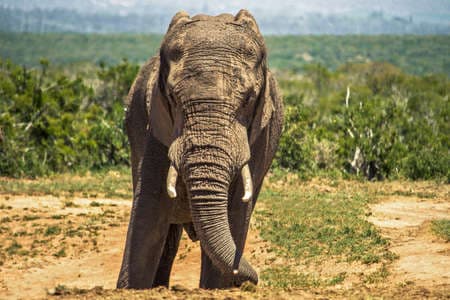
Explore diverse landscapes and cultures across Africa with our comprehensive safari planning guide.
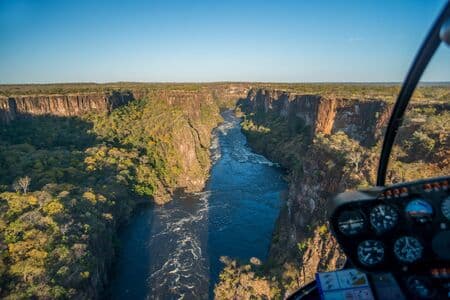
Get in touch with us and we'll get back to you as soon as possible.
Here's what sets us apart from the competition
We deliver exceptional experiences at fair, transparent prices, ensuring every journey offers genuine quality, comfort, and unforgettable adventure without unnecessary costs.
Your journey is crafted around your interests, pace, and travel style, giving you a custom-made adventure that feels authentic, meaningful, and entirely your own.
From planning to your final day of travel, our dedicated team is available to guide, assist, and ensure your trip runs smoothly and stress-free.
Find answers to common questions
Pack lightweight, neutral-coloured clothing, a warm layer for early-morning drives, sturdy shoes, sun protection, insect repellent, a good camera/binoculars, and any required medications or vaccinations after consulting your healthcare provider and local travel advice.
We work with a curated network of vetted lodges, camps, guides, and ground operators selected for local knowledge, safety standards, experience, and suitability to the traveller’s interests and budget.
Yes; itineraries can be tailored for wildlife photography, birding, family-focused activities, honeymooners, and adventure travel, with appropriate accommodations, vehicle options, and guide specialisations arranged on request.
Zimtrek specialises in safaris across Southern and East Africa, with core destinations including Zimbabwe, Botswana, Zambia, South Africa, Namibia, Kenya, and Tanzania.
Zimtrek designs tailor-made safaris including game drives, walking safaris, mobile tented camps, photographic safaris, and combined wildlife-and-cultural itineraries to suit solo travellers, couples, families, and small groups.
In This Article
Top Multi-Country Routes
Logistics Made Easy
Cost Comparisons
A multi-country safari works best when the trip is designed around a clear purpose: compare landscapes, travel styles, and wildlife experiences without turning the journey into a rushed checklist. The strongest itineraries usually link two neighboring countries, or three at most, so the travel days stay practical. For most travellers, that means choosing combinations such as Zimbabwe and Botswana, or South Africa and Zambia, rather than trying to cover half the continent in one holiday.
This style of travel suits people who want more than one ecosystem in a single journey. A traveller might begin with river-based game viewing in the Zambezi region, continue to the Okavango-style wetland environment in Botswana, and finish with a city or wine-country stop in South Africa. Others may want the classic East African wildlife story, pairing Kenya and Tanzania for wide plains, migration-focused game viewing, and cultural variety. The key benefit is contrast: each destination feels different, but the trip still makes sense as one coherent route.
The best multi-country trips are not the longest ones. They are the ones with the fewest unnecessary transfers and the clearest purpose for crossing each border.
These trips are especially good for travellers who value efficiency in planning. Instead of booking each leg separately, you work with one operator who understands flight connections, border timing, and the pace of safari days. That matters in Southern Africa, where a road transfer can be part of the experience, but it can also become an exhausting day if distances are underestimated. Zimtrek often plans routes around natural travel corridors, such as Victoria Falls to Chobe, or Johannesburg to Kruger and onward to another region, so the logistics support the experience rather than interrupt it.
The strongest routes usually connect one major wildlife area with a second destination that adds a different rhythm. In Southern Africa, that often means combining river, delta, and dry-land game viewing. In East Africa, it usually means combining the Great Migration with a second park circuit or a short coastal extension. The table below shows practical route ideas, not just famous names.
| Route | Typical length | Why it works |
|---|---|---|
| Victoria Falls, Chobe, and the Okavango-style wetland circuit | 8 to 12 days | Strong wildlife density, short regional hops, and a clear contrast between river and delta environments. |
| South Africa and Botswana | 9 to 14 days | Easy to combine international arrivals with safari sectors and premium lodge options. |
| Zimbabwe and Zambia around the Zambezi | 6 to 10 days | Ideal for travellers who want falls, river activities, and game reserves without long flights. |
| Kenya and Tanzania | 10 to 16 days | Best known for plains wildlife, migration timing, and varied camp styles across two countries. |
For Southern Africa, one of the smartest combinations is to start with Victoria Falls and finish with Botswana. That sequence works because the falls are a strong arrival point, and the move into Botswana can feel like a natural progression into quieter wildlife viewing. Another useful pairing is South Africa and Zambia, where international flight access into Johannesburg can make the trip easier to stitch together, especially for travellers who want to balance safari with a more urban or culinary finish.
countries is usually the sweet spot for a well-paced safari
The most common mistake on a multi-country safari is treating borders like a minor detail. In reality, visa rules, entry conditions, and transfer times can shape the whole route. Some countries allow easier regional movement than others, but travellers still need to check passport validity, entry requirements, and whether the route uses land border posts or short regional flights. Planning should begin with the passport, not the lodge.
As a rule, direct flights between safari hubs reduce friction more than long road crossings. A charter or regional flight can save several hours, but it also changes the budget. Road transfers can be worthwhile when the border is close and the scenery adds value, such as on the Zambezi corridor, yet travellers should avoid routes where a nominally short distance becomes a long, tiring day because of border processing, road conditions, or multiple vehicle changes.
Do not assume a border crossing will be quick just because the map looks simple. Your itinerary should include buffer time for queues, document checks, and local transfer handoffs.
Health and packing advice also matters. Travellers often ask about black clothing, and the practical answer is that black can be less ideal in some safari contexts because it absorbs heat and may attract certain biting flies in areas where tsetse are present. Neutral colours, breathable fabrics, and layers usually work better. This is not about strict rules; it is about comfort, visibility, and adapting to changing temperatures. In the right setting, a dark shirt is not a problem, but for game drives and bush walks, lighter earth tones are typically more sensible.
A well-planned operator will also help you think beyond visas and clothing. They will map which legs are best by air, where road transfers are reasonable, and how much time each border realistically needs. That is where a custom planner adds value: it turns a complicated route into a sequence of manageable travel days instead of a stressful puzzle.
Costs rise on multi-country safaris because you are paying for more than accommodation. You are combining internal flights, transfers, park fees, guiding, and often different lodge categories across separate national systems. For a realistic budget, think in ranges rather than fixed prices. A well-paced Southern African itinerary for two people can vary widely depending on whether you choose scheduled flights, private transfers, or more time in premium camps. For many travellers, the extra cost is justified by the variety, but only if the route is built efficiently.
A simple way to budget is to separate the trip into four lines: international flights, regional transport, accommodation and safari activities, and border/admin costs. The last category is often overlooked, yet it can affect the final figure once multiple countries are involved. If a route needs several short-haul flights, the transport share of the budget rises quickly. If the same route can be grouped into fewer flight legs and more purposeful overland transfers, the total may be more manageable.
| Trip style | Typical daily budget per person | What usually drives the price |
|---|---|---|
| Mid-range | US Dollar 350 to 650 | Comfort lodges, shared transfers, and a few regional flights. |
| Upper mid-range | US Dollar 650 to 1,100 | Higher-end camps, better routing, and more private guiding. |
| Luxury | US Dollar 1,100+ | Premium camps, charter flights, and highly personalised service. |
Compared with a single-country safari, a multi-country itinerary usually costs more per person because of movement between systems, not because the wildlife is automatically more expensive. The difference is most obvious on short trips, where the transfer time eats into your holiday value. On longer journeys, the cost gap can narrow because the added variety makes each day more rewarding. That is why a 10- to 14-day plan often feels more efficient than a five- or six-day attempt to cross two countries.
Season choice depends on what you want the route to do. In Southern Africa, the dry season from roughly May to October is usually strong for game viewing because animals concentrate around water and roads are often easier to manage. Shoulder months can still be excellent, especially for travellers who want fewer vehicles at popular lodges. In East Africa, timing matters more if you want migration-focused travel, since rainfall patterns and grazing movements affect where the action is concentrated.
| Region | Usually strong months | Planning note |
|---|---|---|
| Southern Africa | May to October | Good for game viewing, especially where dry conditions improve visibility and transfer reliability. |
| Botswana and Zimbabwe corridors | June to September | Popular for lower humidity and strong wildlife concentrations, though demand can increase. |
| Kenya and Tanzania | June to October, then January to February | Useful for migration planning and clearer travel conditions in selected areas. |
If your route includes both bush and falls, timing can be a balancing act. High-water periods can change the feel of Victoria Falls dramatically, while drier months may be better for some safari sectors. The right approach is to choose the primary experience first and then adjust the secondary stop around it. That is more effective than chasing a single month that tries to solve every objective at once.
The operator matters more on a multi-country safari than on a single-destination trip because the coordination load is higher. You are not just buying accommodation; you are buying routing logic, contingency planning, and local knowledge. A good operator should explain why the route is sequenced in a particular order, where flight connections matter, and which days are most likely to feel rushed if changed.
Use this practical checklist when comparing companies:
A strong safari planner saves you time by removing weak options, not by adding more destinations.
For many travellers, yes - if the itinerary is built with discipline. Multi-country safaris are worth it when they create contrast, tell a stronger story, or make the most of a long-haul flight to Africa. They are less worthwhile when the plan becomes a race between borders, airports, and check-ins. If you want one outstanding wildlife area and a slower pace, a single-country safari may deliver better value. If you want variation, and you are willing to spend the time and money to move intelligently, a multi-country safari can be the more memorable choice.
The best decision usually comes down to three questions: how much time you have, how much movement you enjoy, and how much variety you want in one journey. If those answers point toward two neighboring countries and a realistic pace, the trip can feel seamless. If they point toward six countries in two weeks, the smarter answer is to narrow the route and enjoy each stop properly.
Get in touch with us and we'll get back to you as soon as possible.
Here's what sets us apart
We deliver exceptional experiences at fair, transparent prices, ensuring every journey offers genuine quality, comfort, and unforgettable adventure without unnecessary costs.
Your journey is crafted around your interests, pace, and travel style, giving you a custom-made adventure that feels authentic, meaningful, and entirely your own.
From planning to your final day of travel, our dedicated team is available to guide, assist, and ensure your trip runs smoothly and stress-free.
Don't just take our word for it
Keep reading