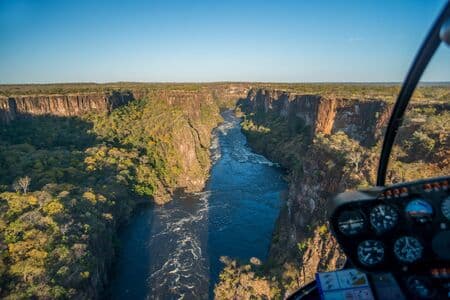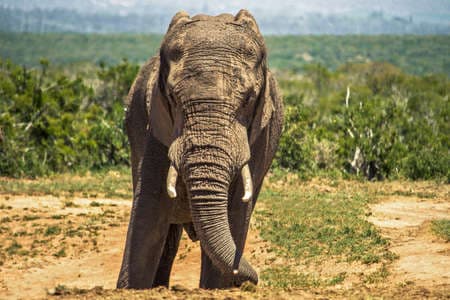
Discover the best options for unforgettable adventures in Namibia, from self-drive to guided tours.

Image via 123RF
Get in touch with us and we'll get back to you as soon as possible.
Here's what sets us apart from the competition
We deliver exceptional experiences at fair, transparent prices, ensuring every journey offers genuine quality, comfort, and unforgettable adventure without unnecessary costs.
Your journey is crafted around your interests, pace, and travel style, giving you a custom-made adventure that feels authentic, meaningful, and entirely your own.
From planning to your final day of travel, our dedicated team is available to guide, assist, and ensure your trip runs smoothly and stress-free.
Find answers to common questions
Pack lightweight, neutral-coloured clothing, a warm layer for early-morning drives, sturdy shoes, sun protection, insect repellent, a good camera/binoculars, and any required medications or vaccinations after consulting your healthcare provider and local travel advice.
We work with a curated network of vetted lodges, camps, guides, and ground operators selected for local knowledge, safety standards, experience, and suitability to the traveller’s interests and budget.
Yes; itineraries can be tailored for wildlife photography, birding, family-focused activities, honeymooners, and adventure travel, with appropriate accommodations, vehicle options, and guide specialisations arranged on request.
Zimtrek specialises in safaris across Southern and East Africa, with core destinations including Zimbabwe, Botswana, Zambia, South Africa, Namibia, Kenya, and Tanzania.
Zimtrek designs tailor-made safaris including game drives, walking safaris, mobile tented camps, photographic safaris, and combined wildlife-and-cultural itineraries to suit solo travellers, couples, families, and small groups.
In This Article
Diverse Tour Options
Seasonal Insights
Cost Breakdown
Planning Namibia well is less about chasing a single “best” safari and more about choosing the right travel style for a very large, very varied country. A first-time visitor may want the classic arc of Windhoek, Sossusvlei, Swakopmund, and Etosha; another traveller may prefer a fly-in journey through Damaraland and the Skeleton Coast; a third may want a self-drive loop that keeps costs under control while still delivering strong scenery and wildlife. That flexibility is one reason Namibia works so well for international travellers and regional visitors who like a clear plan but still want space and freedom on the road.
With Zimtrek, the biggest decision is usually not whether to go, but how to go: self-drive, guided road tour, or fly-in safari. Self-drive suits confident drivers who are comfortable with long distances and corrugated gravel roads. Guided tours reduce logistical friction and are helpful if you want local context, help with timing, and someone else to manage transfers and park sequencing. Fly-in safaris cost more, but they save time in a country where the distances between highlights can be substantial.
A useful Namibia rule: if your trip is under 8 days, keep the route tight. Stretching too far usually means more driving and less time where it matters.
Main formats to compare: self-drive, guided road tour, and fly-in safari.
Most first-timers do well with a route that combines the dunes of Namibia trip planning around Sossusvlei, the coast around Swakopmund, and a wildlife block in Etosha. That mix gives you desert, ocean, and game viewing without forcing the itinerary into a rushed checklist.
For safari-focused travel, the dry season from May to October is usually the strongest period. Water is scarcer, so animals tend to concentrate near pans and waterholes, especially in Etosha. Days are generally clear and comfortable, though mornings and evenings can be cool, especially in June and July. The green season from November to April brings more dramatic skies, softer light for photography, and fewer visitors in many areas, but wildlife dispersal can make game more spread out and some gravel roads slower after rain.
The right month depends on what you want to prioritise. If your goal is wildlife concentration and easier road conditions, aim for the dry months. If you care more about dune contrast, landscapes, photography, and quieter lodges, the shoulder and green months can be rewarding. Around the coast and in Swakopmund, temperatures stay milder than inland, which makes Namibia feel more comfortable than many first-time visitors expect.
| Period | What it is like | Best for |
|---|---|---|
| May to June | Cooler, dry, very good visibility | First-time safari travellers, self-drive road trips |
| July to October | Peak dry season, strongest waterhole viewing | Etosha-focused itineraries, photographers, wildlife travellers |
| November to February | Warm, stormier, greener landscapes | Lower-crowd travel, scenery, value-sensitive trips |
| March to April | Transition period, mixed conditions | Travellers who want balance between scenery and game drives |
If your route includes the Skeleton Coast or Damaraland, plan for cooler coastal weather and long transfer times. The calendar month matters less than road conditions and daylight planning.
Namibia pricing varies sharply by format. In 2026 planning terms, a budget camping self-drive can start around US Dollar 150 to 250 per person per day if you share a vehicle and keep accommodation basic. Mid-range guided lodge trips commonly sit around US Dollar 350 to 650 per person per day, depending on how much is included. Fly-in or premium lodge itineraries can move beyond US Dollar 700 per person per day, especially where private guiding, charter flights, and remote desert camps are involved.
The biggest cost drivers are vehicle type, season, park access, fuel, lodge category, and whether your trip is private or shared. A 4x4 with camping gear may look inexpensive at first glance, but insurance, fuel over long distances, one-way drop fees, and sand or gravel wear can change the picture quickly. Guided tours may appear more expensive upfront, but they often include transfers, guiding, accommodation, and game activities, which makes the total easier to control.
| Tour style | Typical estimate per person per day | Usually includes |
|---|---|---|
| Budget self-drive camping | US Dollar 150-250 | Vehicle share, campsites, basic logistics, some park fees |
| Mid-range guided lodge tour | US Dollar 350-650 | Accommodation, guiding, road transfers, selected meals |
| Luxury fly-in safari | US Dollar 700+ | Charter flights, premium camps, private guiding, higher-end dining |
If you are comparing quotes, ask how they handle park fees, Sossusvlei dune access, vehicle hire excess, transfers, and lunches on long transit days. A lower sticker price can become poor value if it excludes the essentials. For travellers watching the budget, travelling in shoulder months, choosing fewer lodge changes, and combining camping with one or two lodge nights usually gives the best balance.
The strongest Namibia itineraries are built around natural travel corridors rather than trying to cross every corner of the country. For a first trip, Sossusvlei and Deadvlei are the essential desert pair, with their red dunes and salt-pan scenery. Swakopmund works well as a reset point between desert and coast, especially if you want activities, better dining, or a break from long drives. Etosha is the anchor for wildlife viewing, while Damaraland and Kaokoland add geological drama, remote landscapes, and a sense of space that many travellers do not expect until they are there.
Longer routes can include the Skeleton Coast for its stark, Atlantic-facing scenery, or Fish River Canyon for southern depth and a very different travel rhythm. In the northeast, the Caprivi, now often referred to as the Zambezi region, offers a greener, river-based contrast to the rest of Namibia and pairs well with Botswana-adjacent travel. For readers wanting a simple structure, think in terms of route length rather than just destinations.
| Route length | Best fit | Typical focus |
|---|---|---|
| 7 days | First-time visitors with limited time | Windhoek, Sossusvlei, Swakopmund, Etosha |
| 10 days | Travellers wanting better pacing | Add Damaraland or more Etosha time |
| 14 days | Deeper, slower itinerary | Skeleton Coast, Kaokoland, Fish River Canyon, Zambezi region |
A well-planned itinerary should also respect real road times. Namibia is a country where 300 kilometres can take much longer than expected, especially off the main tar routes. That is why Zimtrek tends to build trips around comfort points and realistic drive days, rather than stacking too many overnight stops. The result is less time wasted packing and unpacking, and more time for the actual experience of the country.
A good Namibia operator should do more than book beds. They should understand route logic, seasonal road conditions, vehicle suitability, and whether your itinerary works as a self-drive plan, a guided road journey, or a mixed format. When reviewing operators such as NTS, Royle, or Safari World Tours, compare the actual service model, not just the headline itinerary. Some companies specialise in private custom planning, while others are stronger in fixed departures or packaged lodge tours.
The best way to vet an operator is to ask for the practical details that determine trip quality. Who handles fuel advice and route notes? Are park fees included? What kind of support is available if a vehicle issue happens on gravel roads? Are lodge standards consistent across the route, or do they mix categories without clear explanation? Zimtrek’s value is in tailoring those details to your pace, not just selling a destination list.
For self-drive travellers, the operator is effectively your trip designer and risk manager. A cheap quote with vague routing can cost more in stress than it saves in money.
Namibia and Botswana both deliver strong southern Africa safari experiences, but they suit different priorities. Namibia is usually better for travellers who want self-drive freedom, dramatic landscapes, and more flexible price control. Botswana is often stronger for dense wildlife experiences in premium safari zones, but it can be more expensive and more dependent on guided or fly-in planning. If you enjoy road travel and scenic variety, Namibia has the edge. If your main goal is concentrated wildlife in remote concession areas, Botswana may fit better.
| Factor | Namibia | Botswana |
|---|---|---|
| Trip style | Self-drive friendly, route-driven | More guided and fly-in oriented |
| Wildlife feel | Strong in Etosha, but spread by region | Often denser in key safari areas |
| Cost control | Easier to manage across budget levels | Typically higher, especially in premium zones |
| Scenery | Desert, coast, canyon, mountain diversity | Wetlands and classic safari landscapes |
For many Zimtrek travellers, the decision comes down to trip purpose. If you want a first southern Africa self-drive safari or a route that blends scenery and wildlife, Namibia is usually the easier starting point. If you already know you want a higher-density wildlife focus and are comfortable with a higher overall budget, Botswana becomes more attractive. The two countries also pair well for multi-country itineraries, but that works best when the route is built around time, not just ambition.
The most common Namibia planning mistake is underestimating distances. Travellers see a map and assume they can add one more stop, when in reality the road time pushes the day well beyond what feels comfortable. Another frequent issue is booking too many different accommodation styles in one trip, which makes the journey feel fragmented. A third mistake is choosing a vehicle or tour style that does not match the route, especially when gravel roads, tyre care, and fuel planning matter.
People also overfocus on wildlife counts and underfocus on route balance. Namibia rewards patience: a better itinerary often includes a strong scenic component, a reasonable amount of downtime, and one or two longer stays rather than constant movement. If you are travelling in peak dry season, book early enough to secure the camps or lodges you actually want, because popular properties in Etosha and around Sossusvlei fill quickly.
Do not treat Namibia like a small-country city break. The experience improves when you respect road times, weather shifts, and the country’s vast scale.
Before confirming anything, use a practical checklist rather than relying on destination names alone. Confirm whether your route is best as self-drive, guided, or fly-in. Check if your quote includes park fees, transfers, fuel allowances, and vehicle cover. Make sure the overnight sequence makes sense geographically, especially if your plan includes Sossusvlei, Swakopmund, Etosha, Damaraland, or the Zambezi region. Ask for realistic drive times between stops, not just kilometre totals.
If you want a Namibia trip that feels coherent rather than rushed, Zimtrek’s planning approach is to build from the road outward: decide the format, then the route, then the lodge mix. That sequence usually produces better value, less fatigue, and a more rewarding safari overall.
Get in touch with us and we'll get back to you as soon as possible.
Here's what sets us apart
We deliver exceptional experiences at fair, transparent prices, ensuring every journey offers genuine quality, comfort, and unforgettable adventure without unnecessary costs.
Your journey is crafted around your interests, pace, and travel style, giving you a custom-made adventure that feels authentic, meaningful, and entirely your own.
From planning to your final day of travel, our dedicated team is available to guide, assist, and ensure your trip runs smoothly and stress-free.
Don't just take our word for it
Keep reading