Capture the Majestic Wildlife of Hwange with Insider Tips
Get in touch with us and we'll get back to you as soon as possible.
Here's what sets us apart from the competition
We deliver exceptional experiences at fair, transparent prices, ensuring every journey offers genuine quality, comfort, and unforgettable adventure without unnecessary costs.
Your journey is crafted around your interests, pace, and travel style, giving you a custom-made adventure that feels authentic, meaningful, and entirely your own.
From planning to your final day of travel, our dedicated team is available to guide, assist, and ensure your trip runs smoothly and stress-free.
Find answers to common questions
Pack lightweight, neutral-coloured clothing, a warm layer for early-morning drives, sturdy shoes, sun protection, insect repellent, a good camera/binoculars, and any required medications or vaccinations after consulting your healthcare provider and local travel advice.
We work with a curated network of vetted lodges, camps, guides, and ground operators selected for local knowledge, safety standards, experience, and suitability to the traveller’s interests and budget.
Yes; itineraries can be tailored for wildlife photography, birding, family-focused activities, honeymooners, and adventure travel, with appropriate accommodations, vehicle options, and guide specialisations arranged on request.
Zimtrek specialises in safaris across Southern and East Africa, with core destinations including Zimbabwe, Botswana, Zambia, South Africa, Namibia, Kenya, and Tanzania.
Zimtrek designs tailor-made safaris including game drives, walking safaris, mobile tented camps, photographic safaris, and combined wildlife-and-cultural itineraries to suit solo travellers, couples, families, and small groups.
In This Article
Photography Hotspots
Seasonal Tips
Photography Tips
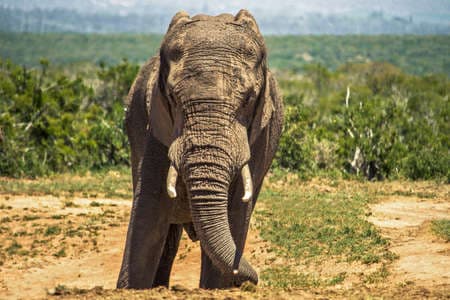
Hwange National Park, located in Zimbabwe, is one of Africa's premier destinations for wildlife photography. Spanning over 14,600 square kilometers, it is home to a diverse range of wildlife, including large elephant herds, lions, leopards, and over 400 bird species. The park's varied landscapes, from open savannahs to dense woodlands, provide photographers with numerous opportunities to capture stunning images of African wildlife in their natural habitats.
Hwange offers a unique blend of biodiversity and accessibility, making it a top choice for photographers. The park's infrastructure allows for smooth travel between different ecosystems, ensuring photographers can capture a wide array of species without traveling long distances. The abundance of waterholes ensures that wildlife can be seen throughout the year, particularly during the dry season when animals congregate around these vital resources.
Tip: Visit during the dry season from July to October for optimal wildlife sightings at waterholes.
Hwange National Park boasts several key locations that are ideal for wildlife photography. Here are some of the most notable spots:
Info: The park's diverse landscapes provide varied backdrops, enhancing the visual appeal of your photographs.
The timing of your visit will significantly impact the type of wildlife you can photograph. During the wet season (November to April), the park is lush and green, with newborn animals making for captivating subjects. However, wildlife is more dispersed due to the abundance of water. Conversely, the dry season (May to October) offers more predictable wildlife sightings as animals gather at waterholes.
| Season | Highlights | Wildlife Activity |
|---|---|---|
| Wet Season (Nov-Apr) | Lush landscapes, migratory birds | Dispersed wildlife |
| Dry Season (May-Oct) | Concentrated wildlife at waterholes | High visibility |
When preparing for a photographic safari in Hwange, it's essential to pack the right equipment. A DSLR or mirrorless camera with a telephoto lens (at least 300mm) is recommended to capture distant wildlife. A wide-angle lens can also be useful for landscape shots and capturing animals in their environment. Don’t forget extra batteries and memory cards, as the park's remote locations may not always offer charging facilities.
To achieve sharp, high-quality images, use a fast shutter speed (1/1000s or faster) to freeze the motion of moving animals. Aperture settings between f/4 and f/8 are ideal for isolating subjects while maintaining enough depth of field. Adjust the ISO based on lighting conditions, keeping it as low as possible to minimize noise.
Warning: Avoid using flash photography as it can disturb wildlife and is prohibited in many areas.
Patience and timing are key to capturing interesting wildlife behavior. Spend time observing animals to anticipate their actions, and be ready to shoot when the moment arises. Early morning and late afternoon provide the best lighting conditions, adding warmth and depth to your images.
Hwange National Park's varied habitats provide endless opportunities for photographers to capture the diverse wildlife. From the open grasslands of the southern region to the dense teak forests in the north, each area offers unique photographic potential. By understanding the different habitats, photographers can target specific species and behaviors.
Waterholes are critical for wildlife survival, especially during the dry months. They act as natural gathering spots, attracting a variety of species, including elephants, buffalo, and predators on the hunt. Popular waterholes like Guvalala and Shumba are renowned for their bustling activity, providing photographers with dynamic scenes to capture.
Tip: Use a long focal length to photograph animals at waterholes without disturbing them.
Professional guides play a crucial role in enhancing your photography experience. Their in-depth knowledge of animal behavior and park dynamics can lead to successful wildlife encounters. Guides can also position vehicles optimally for the best angles, ensuring that photographers capture high-quality images.
Hwange is home to the Big Five-lion, leopard, rhinoceros, elephant, and buffalo. While sightings are not guaranteed, the park's diverse ecosystems increase the chances of encountering these iconic animals. Photographers should remain vigilant and prepared, as these encounters can happen unexpectedly.
| Animal | Best Spot | Optimal Time |
|---|---|---|
| Elephant | Manda Pan | Late Afternoon |
| Lion | Sinamatella Camp | Early Morning |
| Buffalo | Guvalala Waterhole | Midday |
Knowledge of animal behavior enhances photographic outcomes. Observing body language, such as a lion's yawn or an elephant's dust bath, provides photographers with unique storytelling opportunities. By predicting actions, photographers can capture moments that convey emotion and drama.
Get in touch with us and we'll get back to you as soon as possible.
Here's what sets us apart
We deliver exceptional experiences at fair, transparent prices, ensuring every journey offers genuine quality, comfort, and unforgettable adventure without unnecessary costs.
Your journey is crafted around your interests, pace, and travel style, giving you a custom-made adventure that feels authentic, meaningful, and entirely your own.
From planning to your final day of travel, our dedicated team is available to guide, assist, and ensure your trip runs smoothly and stress-free.
Don't just take our word for it
Keep reading