Explore the diverse wildlife, travel logistics, and essential tips for an unforgettable South African adventure.

Image via 123RF
Get in touch with us and we'll get back to you as soon as possible.
Here's what sets us apart from the competition
We deliver exceptional experiences at fair, transparent prices, ensuring every journey offers genuine quality, comfort, and unforgettable adventure without unnecessary costs.
Your journey is crafted around your interests, pace, and travel style, giving you a custom-made adventure that feels authentic, meaningful, and entirely your own.
From planning to your final day of travel, our dedicated team is available to guide, assist, and ensure your trip runs smoothly and stress-free.
Find answers to common questions
Pack lightweight, neutral-coloured clothing, a warm layer for early-morning drives, sturdy shoes, sun protection, insect repellent, a good camera/binoculars, and any required medications or vaccinations after consulting your healthcare provider and local travel advice.
We work with a curated network of vetted lodges, camps, guides, and ground operators selected for local knowledge, safety standards, experience, and suitability to the traveller’s interests and budget.
Yes; itineraries can be tailored for wildlife photography, birding, family-focused activities, honeymooners, and adventure travel, with appropriate accommodations, vehicle options, and guide specialisations arranged on request.
Zimtrek specialises in safaris across Southern and East Africa, with core destinations including Zimbabwe, Botswana, Zambia, South Africa, Namibia, Kenya, and Tanzania.
Zimtrek designs tailor-made safaris including game drives, walking safaris, mobile tented camps, photographic safaris, and combined wildlife-and-cultural itineraries to suit solo travellers, couples, families, and small groups.
In This Article
Discover the Big Five
Park-by-Park Insights
Travel Planning Essentials
South Africa works especially well for travellers who want wildlife without giving up flexibility. You can build a trip around a classic safari in Kruger, add a self-drive route, or combine game viewing with Cape Town, the Garden Route, and the coast. That mix matters because many visitors want more than one type of experience: a few days of concentrated game viewing, some time on scenic roads, and perhaps whale watching or penguins along the coast. For Zimtrek travellers, that makes South Africa one of the easiest countries in Southern Africa to tailor around pace, budget, and travel style.
A useful way to plan South Africa is to think in layers: one flagship safari area, one secondary park, and one non-safari stop such as the coast or a wine region.
The country also suits different levels of safari experience. First-time visitors often prefer a guided stay near Kruger, where logistics are simple and sightings can be rewarding in a short window. More experienced travellers may prefer a self-drive circuit that includes smaller reserves, birding stops, or the Kalahari edge. Because the infrastructure is strong compared with many safari destinations, South Africa is a practical choice for international travellers and regional visitors who want a trip that feels well organised rather than overcomplicated.
Bird species recorded in South Africa, making birding a serious part of any wildlife trip.
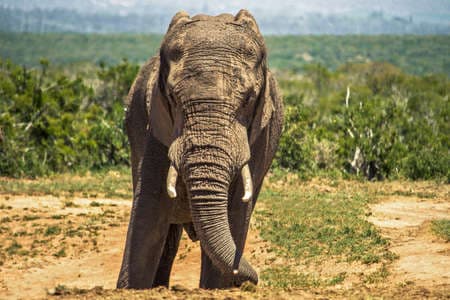
The Big Five remain the headline attraction, but the real value of a South African safari is how much else you can see in the same trip. Kruger and the private reserves around it are known for lion, leopard, elephant, rhino, and buffalo, yet the supporting cast is just as compelling: giraffe, zebra, hippo, wildebeest, cheetah in some regions, wild dog in select areas, and a long list of antelope that give the landscape movement and scale. If you are planning around wildlife photography, that variety matters because different habitats produce very different backgrounds and viewing conditions.
Travellers often assume the Big Five is a checklist, but in South Africa it is more useful to think of it as a range of habitats. Lions are most reliably associated with open plains and river systems; leopards favour thicker bush and riverine cover; elephants and buffalo can be found in many major parks; rhino viewing depends heavily on conservation settings and vehicle distances. In other words, the best park for one species is not always the best for another, which is why a park-by-park plan is more effective than a generic safari booking.
| Animal group | Where it is often seen | What improves your odds |
|---|---|---|
| Lion and leopard | Kruger, Sabi Sand, Madikwe, Kgalagadi | Early starts, experienced guides, riverbeds and thicker bush |
| Elephant and buffalo | Kruger, Addo, Hluhluwe-iMfolozi | Water sources, dry-season movement, patient game drives |
| Rhino | Hluhluwe-iMfolozi, private reserves, selected conservation areas | Choose reserves with strong anti-poaching and guided tracking |
South Africa also stands out for its rare and region-specific species. In the Kalahari edge, you may see gemsbok, springbok, bat-eared fox, and black-maned lions. In wetter or coastal systems, you are more likely to encounter otters, coastal birds, and marine life. That spread is one reason many travellers pair a safari with time on the coast rather than trying to do everything inside one park.
Birding is not a side activity in South Africa; for many travellers it becomes a major reason to travel. More than 850 bird species have been recorded, which means even a short safari can produce memorable sightings if you know where to look. The open savannah around Kruger is excellent for raptors, storks, hornbills, rollers, and kingfishers. Wetlands and coastal regions add flamingos, terns, gulls, and waders. If you travel with a guide who understands birds, the experience becomes far richer without needing to turn the trip into a specialist birding tour.
If wildlife photography matters to you, morning light in the bush and late-afternoon light on the coast create very different, but equally strong, results.
South Africa’s marine wildlife is another reason the country works so well for mixed itineraries. Along the coast you can add whale watching in season, see African penguins at accessible viewing points, and in some areas look for seals, dolphins, and shark-related marine excursions. That means a wildlife trip can include both land and sea without needing long-haul internal repositioning. For travellers based in or passing through Cape Town, the coastal wildlife component often becomes the most unexpected part of the journey.
| Wildlife type | Typical South African hotspots | Best practical angle |
|---|---|---|
| Birdlife | Kruger, Hluhluwe-iMfolozi, Kgalagadi, coastal wetlands | Carry binoculars and choose lodges with floodlit waterholes or open decks |
| Whales and dolphins | Western Cape and parts of the southern coast | Plan around seasonal windows and coastal weather |
| Penguins and seals | Cape Peninsula and nearby coast | Combine with a scenic self-drive rather than a separate trip |
The best safari choice depends on what kind of wildlife experience you want. Kruger is the most famous and usually the easiest to combine with a broader South African trip, but it is not the only strong option. Addo Elephant National Park is excellent for elephants and works well if you are already on the Garden Route. Hluhluwe-iMfolozi is a standout for rhino and classic bush scenery. Kgalagadi offers a very different, arid Kalahari atmosphere, while Pilanesberg is convenient for shorter itineraries and for travellers who want a malaria-free option in a compact reserve.
| Park | Wildlife strength | Best fit for | Practical note |
|---|---|---|---|
| Kruger | Big Five, large mammals, birds | First-time safari travellers and longer trips | Best for variety and route flexibility |
| Addo | Elephants and mixed plains wildlife | Garden Route add-ons and shorter self-drives | Easy to pair with Cape Town or Port Elizabeth area travel |
| Hluhluwe-iMfolozi | Rhino, elephant, classic bush | Travellers focused on conservation and guided drives | Strong choice for KwaZulu-Natal routes |
| Kgalagadi | Predators, desert-adapted species | Experienced travellers seeking a distinctive landscape | Remote, rewarding, and less crowded |
| Pilanesberg | Compact game viewing, good day-trip access | Short breaks and malaria-conscious planning | Useful when time is limited |
The main decision is not only which animals you hope to see, but how much travel time you want to spend between parks. A trip built around one strong reserve plus one coast stop is usually more satisfying than trying to cover too much ground. That is especially true for travellers who want a calm pace, good accommodation, and enough time in the field to let sightings happen naturally rather than rushing from one drive to the next.
Travellers often compare Kruger with the Serengeti because both are iconic African safari names, but they deliver different experiences. Kruger is usually the better choice if you want variety, flexibility, and easier trip planning within South Africa. The Serengeti is famous for its vast open plains and migration-driven drama, but it requires a different multi-country style of planning. For many travellers, Kruger offers a more practical entry point into safari travel: more route options, more accommodation styles, and easier links to coastal or city time.
If your priority is a South Africa-focused holiday with wildlife, Kruger is usually the more efficient choice. If your priority is a classic East African migration experience, the Serengeti is the better fit.
Kruger tends to suit travellers who want self-drive freedom, family-friendly logistics, or the ability to combine safari with a broader South African itinerary. The Serengeti is more often chosen for large-scale plains scenery and seasonal movement of wildlife. In practical terms, Kruger gives you more control over budget and pace, while the Serengeti asks for more safari-only time. That difference matters if you are planning a one-week or ten-day holiday rather than a longer dedicated wildlife journey.
| Planning factor | Kruger | Serengeti |
|---|---|---|
| Trip style | Flexible, self-drive friendly, varied lodges | Safari-focused, usually more structured |
| Landscape | Bushveld, river systems, mixed habitats | Wide open plains and migration corridors |
| Best for | South Africa itineraries and mixed travel | Classic East African safari focus |
Budget planning in South Africa depends on whether you self-drive, stay in national park rest camps, or book guided lodges and private reserves. A modest self-drive trip can be built around mid-range accommodation and park entrances, while a guided safari with game drives, transfers, and full-board lodges will sit higher. As a rough planning range, many travellers should think in terms of US Dollars per person per night, not per trip, because the biggest cost differences come from accommodation category and whether internal flights are needed. Zimtrek typically helps travellers compare these options before anything is booked, which avoids mismatched expectations later.
is the minimum useful safari window for a focused Kruger or park-based wildlife trip.
Health planning is also part of the safari decision. Malaria risk is not uniform across South Africa, so the first step is to check the specific parks and months you are considering rather than assuming every wildlife area carries the same level of risk. Public-health guidance should be checked close to departure, especially if you are travelling with children, are pregnant, or have existing health conditions. Pack practical items such as sunscreen, insect repellent, a hat, and any personal medication well before travel. For current malaria guidance, consult the South African Department of Health: malaria advice for travellers in South Africa.
Do not assume a single malaria rule for the whole country. Your lodge location, route, and season all change the practical advice.
Self-drive is one of South Africa’s biggest advantages, but it works best for travellers who are comfortable with distance, daylight driving, and route planning. Guided safaris are better if you want a higher chance of efficient wildlife spotting without managing road logistics yourself. A good rule is simple: choose self-drive for flexibility and value, choose guided travel for convenience and deeper field knowledge. If you want a longer overview of park access and routes, see Zimtrek’s popular destinations page for inspiration and route ideas.
One frequent mistake is treating all parks as interchangeable. Kruger, Addo, Hluhluwe-iMfolozi, Kgalagadi, and Pilanesberg each suit different travel goals, budgets, and routes. Another common issue is overpacking the itinerary with too many long drives. South Africa can support road-based travel, but distances still add up, and wildlife viewing becomes less enjoyable if you are constantly checking into and out of hotels. Travellers also underestimate how much better a safari feels when they allow enough time for one area to breathe rather than trying to chase a sighting checklist.
A strong South African safari itinerary usually has fewer transfers and more time on the ground. That is where sightings, photography, and relaxation improve.
Another mistake is ignoring the difference between main roads, self-drive routes, and lodge-based game drives. Some travellers book a park assuming they will see wildlife from the car at every turn, but the experience depends on the area, the season, and how patient you are willing to be. It also helps to think about seasonality by region: dry conditions often concentrate animals around water, while greener months can be better for birds and landscapes. Finally, many travellers focus only on mammals and miss the chance to add coastal wildlife or birding, which can make the overall trip far richer.
A well-designed South African wildlife trip is less about ticking boxes and more about matching the right places to the way you like to travel. If you want a classic safari with strong variety, start with Kruger. If you want elephants near the coast, consider Addo. If rhino and conservation history matter, Hluhluwe-iMfolozi deserves attention. If your idea of travel includes birds, marine life, and scenic road time, South Africa gives you enough range to build a trip that feels layered rather than repetitive. For travellers who want help turning those choices into one coherent itinerary, Zimtrek’s about page explains the kind of personalised planning that makes these combinations easier to organise.
Get in touch with us and we'll get back to you as soon as possible.
Here's what sets us apart
We deliver exceptional experiences at fair, transparent prices, ensuring every journey offers genuine quality, comfort, and unforgettable adventure without unnecessary costs.
Your journey is crafted around your interests, pace, and travel style, giving you a custom-made adventure that feels authentic, meaningful, and entirely your own.
From planning to your final day of travel, our dedicated team is available to guide, assist, and ensure your trip runs smoothly and stress-free.
Don't just take our word for it
Keep reading