Discover unique safari options based on your passions and interests.
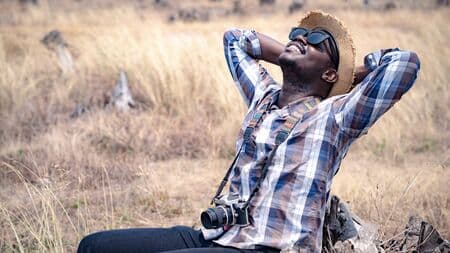
Image via 123RF
Get in touch with us and we'll get back to you as soon as possible.
Here's what sets us apart from the competition
We deliver exceptional experiences at fair, transparent prices, ensuring every journey offers genuine quality, comfort, and unforgettable adventure without unnecessary costs.
Your journey is crafted around your interests, pace, and travel style, giving you a custom-made adventure that feels authentic, meaningful, and entirely your own.
From planning to your final day of travel, our dedicated team is available to guide, assist, and ensure your trip runs smoothly and stress-free.
Find answers to common questions
Pack lightweight, neutral-coloured clothing, a warm layer for early-morning drives, sturdy shoes, sun protection, insect repellent, a good camera/binoculars, and any required medications or vaccinations after consulting your healthcare provider and local travel advice.
We work with a curated network of vetted lodges, camps, guides, and ground operators selected for local knowledge, safety standards, experience, and suitability to the traveller’s interests and budget.
Yes; itineraries can be tailored for wildlife photography, birding, family-focused activities, honeymooners, and adventure travel, with appropriate accommodations, vehicle options, and guide specialisations arranged on request.
Zimtrek specialises in safaris across Southern and East Africa, with core destinations including Zimbabwe, Botswana, Zambia, South Africa, Namibia, Kenya, and Tanzania.
Zimtrek designs tailor-made safaris including game drives, walking safaris, mobile tented camps, photographic safaris, and combined wildlife-and-cultural itineraries to suit solo travellers, couples, families, and small groups.
In This Article
Niche Safari Types
Destination Highlights
Planning Essentials
A special interest safari is built around a passion first, not just a place. Instead of asking only “which park should we visit?”, the planning starts with what you want to do well: identify birds, photograph predators at first light, follow local history through a landscape, walk with a specialist guide, taste regional produce, or combine game viewing with a very specific activity such as golf or trekking. That shift changes everything about routing, vehicle choice, guide selection, and how long you should stay in each area.
For these trips, the best itinerary is usually not the one with the most destinations. It is the one that matches season, terrain, and specialist support to your interest.
In Southern Africa, that often means slower travel and more deliberate planning than a standard wildlife circuit. A birding traveller might spend two full days in one wetland system because the species list matters more than checking off many reserves. A photographer may prefer a private vehicle with a flexible departure time so they can stay in golden light after sunrise. A cultural traveller may spend more time with a local community project, heritage site, or museum stop than on a long game drive. Zimtrek’s approach is to match those priorities with the right reserve, lodge style, and timing so the trip feels coherent rather than crowded.
Good special-interest planning starts with one clear passion, then builds the route around it.
The main advantage of a specialist safari is precision. Birding, wildlife photography, cultural travel, trekking, and food-focused trips all reward different landscapes and different seasons. A walking safari in South Luangwa is not planned like a birding stay on the Okavango fringe, and a heritage-focused trip around the Cape is not the same as a predator photography trip in Kruger. Below is a practical way to think about the most common niche styles and how they differ.
| Interest | Best fit | Planning note |
|---|---|---|
| Birding | Wetlands, woodlands, estuaries | Build around migration and water levels |
| Photography | Private vehicles, hides, open plains | Prioritise light, access, and guide patience |
| Culture and heritage | Cities, villages, archaeological areas | Allow time for interpretation and local context |
| Trekking and walking | Mountains, forests, river valleys | Check fitness, permits, and trail conditions |
Other niches include culinary travel, agricultural experiences such as tea or wine routes, golf paired with game viewing, camel or horseback journeys in specific regions, family learning trips, and migration-timed safaris where the objective is to be in the right place at the right season. Some are highly specialised and some can be blended into one itinerary if the routing is disciplined. The key is to avoid trying to do everything in one trip, because that usually dilutes the very thing that makes the safari special.
Birding trips work best where habitats change quickly over short distances. In Southern Africa, that can mean the wetlands and floodplains around Botswana’s Okavango Delta, the pans and river systems in Namibia, the Kruger and Mpumalanga birding corridors in South Africa, or the lake and woodland edges around Malawi. The best season depends on whether you want resident species, summer migrants, or easier photography conditions. In general, the wetter months bring stronger bird activity and breeding behaviour, while drier months can improve visibility and access in some areas.
For birding, “best” is habitat-specific. A wetland in one month may be excellent, while a dry woodland a few hundred kilometres away may be quieter but still productive.
A strong birding itinerary often uses two contrasting habitats rather than three or four rushed stops. For example, a Botswana route might pair the delta with a drier savannah area for raptors and ground birds. In South Africa, a mix of KwaZulu-Natal wetlands and a northern game reserve can deliver both coastal species and classic bush birds. The most useful guiding principle is to book a specialist who understands calls, seasonal movements, and access to hides or vehicle routes that general safari drivers may not prioritise.
Photography safaris are less about seeing wildlife in general and more about creating repeatable conditions for strong images. That means private vehicle use, positioning for backlight or side light, and enough time at sightings to wait for behaviour rather than rushing onward. In Southern Africa, areas such as the Okavango Delta, Kruger, Hwange, Chobe, and Namibia’s desert-adapted landscapes offer strong contrast, clean backgrounds, and varied subject matter. But the real difference comes from guide style: a photographic guide will usually anticipate angles, advise on behaviour, and understand when to stay and when to move.
| Photography need | Why it matters |
|---|---|
| Private vehicle | Lets you stay longer and work around light |
| Flexible schedule | Gives better chances for dawn and dusk sessions |
| Knowledgeable guide | Helps predict movement and positioning |
If your interest is filming rather than stills, check sound handling, charging options, and whether the operator can arrange longer stays in one camp. A two-night stop may be enough for general game viewing, but it is often too short for a serious photography project. For most travellers, one or two high-quality photo locations are more productive than a long chain of brief stops.
Cultural safaris are strongest when they connect landscape with lived history. In Southern Africa, that can include community visits, heritage museums, colonial and liberation history, craft centres, or archaeological landscapes such as rock art sites and ancient trade-route corridors. South Africa offers some of the broadest options because it combines major cities, wine and food regions, and strong heritage interpretation. Zimbabwe and Botswana also work well when you want a mix of living culture and wilderness context, especially when itineraries include local guides who can explain traditions beyond what is visible on the surface.
The most rewarding cultural itineraries usually include conversation, not just sightseeing. Build in time for interpretation, meals, and unhurried visits.
When planning this style of trip, ask whether the operator works directly with communities, local historians, or specialist guides. That matters more than a generic “cultural stop” added between game drives. If the itinerary includes archaeology or heritage reserves, check opening days and whether reservations are needed, because access can be more limited than standard safari parks.
Trekking-focused safaris are ideal for travellers who want a stronger physical challenge and a more immediate sense of place. These trips can include guided bush walks, mountain hikes, forest trails, or longer trekking plans in destinations such as South Africa’s Drakensberg, Zimbabwe’s eastern highlands, or Rwanda and Uganda for those considering primate trekking on a broader Africa route. The crucial planning point is that trekking is governed by fitness, altitude, and permit requirements far more than vehicle logistics.
A good trekking itinerary should set expectations clearly: daily distance, elevation gain, trail surface, and whether porters, camp support, or specialist mountain guides are included. If you are combining trekking with game viewing, put the trek first or second in the route so fatigue does not undermine the safari portion. For many travellers, this is the most memorable kind of special-interest trip because it turns the journey into an active experience rather than a viewing exercise.
Culinary safaris work best when food is treated as part of the destination story. In Southern Africa, that might mean wine estates in South Africa, market visits and chef-led tastings in Cape Town, farm-to-table lodge menus in Botswana or Zimbabwe, or regional dishes paired with cultural storytelling. Rather than adding a restaurant stop at the end of a game day, a well-designed culinary route builds around growers, producers, and chefs whose work reflects the landscape.
This style suits couples, small groups, and travellers who want a slower itinerary with high-quality accommodation and memorable meals. It also pairs well with wine regions, coastal stays, and city breaks before or after safari. If food is a major part of the trip, tell your planner early, because the best experiences often require advance reservations and careful routing.
A specialist operator is worth the difference when your trip depends on timing, permissions, or niche knowledge. General safari planning may get you to a good lodge, but a special-interest itinerary needs someone who can judge whether a reserve has the right habitat, whether a guide has the correct specialty, and whether the route makes sense in the season you are travelling. Zimtrek’s value in this space is the ability to combine destination knowledge with the practical side of logistics, from cross-border routing to selecting trusted lodges and guides.
| Operator type | Best for | Watch for |
|---|---|---|
| General safari operator | Standard wildlife trips | May not know niche guides or access details |
| Specialist operator | Birding, photography, trekking, culture | Should prove experience with your chosen niche |
| Boutique planner | Tailor-made mixed-interest trips | Needs strong local ground support |
Ask direct questions about guide training, vehicle exclusivity, permit handling, and how the operator adjusts plans when weather or sightings change. If you receive only a fixed package with no discussion of season or interest, that is a sign the trip may be too generic for your goals.
Costs depend on how specialised the trip is. A short niche extension built onto a standard safari may be moderately priced, while a private photography or trekking trip can rise quickly because of exclusive vehicle use, expert guiding, and limited-access accommodation. As a broad planning guide for Southern Africa, a value-focused special-interest safari might start at around US Dollar 250 to 450 per person per day, mid-range trips often fall between US Dollar 450 and 900, and high-end private itineraries can go beyond that depending on lodge level and exclusivity. These are estimates, not fixed rates, and season, routing, and permit costs can move the price significantly.
Book earlier for permit-based or specialist-led trips. Popular photography camps, trekking permits, and small-group departures can sell out months ahead.
A practical planning timeline is to research 6 to 12 months ahead, confirm routing and specialist requirements 4 to 6 months ahead, and finalise lodge and transfer details before high-demand seasons. The more specific your interest, the earlier you should secure the trip, especially if you need a private vehicle, a particular guide, or limited-access activity permits. That is where careful planning saves both money and disappointment.
The most common mistake is treating a niche safari like a standard game package with one or two themed add-ons. That often leads to poor routing, weak seasonal choices, and too many transfers. If your goal is birding, for example, a route designed mainly around predator sightings may not give you the habitat variety you need. If you want photography, a schedule built around early departures and a private vehicle matters more than adding one photo stop after breakfast.
Another mistake is underestimating logistics. Trekking trips need realistic fitness expectations and clear permit checks. Cultural trips need time for interpretation, not just a drive-by visit. Culinary itineraries need advance reservations and an understanding of travel times between farms, cities, and safari areas. In Southern Africa, distances can be significant, so a good operator will protect the core interest by reducing unnecessary movement. That is especially important when combining Zimbabwe, Botswana, South Africa, Zambia, Namibia, or Malawi in one route.
If an itinerary tries to cover too many interests at once, the trip often becomes average at everything instead of excellent at the one thing that mattered most.
Before you confirm a booking, make sure the planning brief answers the following points clearly. This checklist helps separate a well-designed trip from a generic one.
| Planning item | What to confirm |
|---|---|
| Main interest | Birding, photography, culture, trekking, food, or another niche |
| Best season | Month range matched to habitat, weather, or permits |
| Guide type | General safari guide or niche specialist |
| Vehicle and pace | Private, shared, walking, or activity-based |
| Permissions | Any permits, entry fees, or advance bookings required |
| Budget range | Accommodation, transfers, guide level, and activity extras |
A strong brief also explains what you do not want. If you prefer early starts and active days, say so. If you want a relaxed pace with quality meals and fewer lodge changes, say that too. The best special-interest safaris are built from clear trade-offs, not from trying to satisfy every possible preference.
Birding safaris suit travellers who enjoy observation, patience, and habitat diversity. Photography safaris suit people who want flexibility, technical support, and time at sightings. Cultural and heritage safaris are best for travellers who want context, conversation, and a deeper understanding of place. Trekking suits active travellers who are comfortable with physical effort and structured logistics. Culinary safaris work best for couples and small groups who want a slower pace with standout accommodation and dining. If you are travelling as a family, educational elements such as wildlife learning, local history, and short guided walks can be blended into a lighter itinerary without overcomplicating the route.
The cleanest way to choose is to start with your strongest interest, then let season and destination narrow the field. In many cases, Southern Africa gives you enough variety to combine two interests well, such as photography and wildlife, or culture and food, but pushing beyond that usually weakens the trip. A good planner helps you decide where to stay focused and where to add one meaningful extra.
For specialist or permit-based trips, start planning 6 to 12 months ahead. Private vehicles, popular lodges, and limited-access activities can fill early, especially in peak travel periods.
If your focus is birding, photography, trekking, or cultural interpretation, a specialist guide usually adds real value. For a general wildlife trip with one themed activity, a strong all-round guide may be sufficient.
Yes, but the best results usually come from pairing two compatible interests rather than many. Birding and wildlife viewing, or photography and a short cultural extension, are common combinations. The key is to keep the route disciplined so each part has enough time.
Get in touch with us and we'll get back to you as soon as possible.
Here's what sets us apart
We deliver exceptional experiences at fair, transparent prices, ensuring every journey offers genuine quality, comfort, and unforgettable adventure without unnecessary costs.
Your journey is crafted around your interests, pace, and travel style, giving you a custom-made adventure that feels authentic, meaningful, and entirely your own.
From planning to your final day of travel, our dedicated team is available to guide, assist, and ensure your trip runs smoothly and stress-free.
Don't just take our word for it
Keep reading