Plan your unforgettable safari adventure in Tanzania with practical tips and insights.
Get in touch with us and we'll get back to you as soon as possible.
Here's what sets us apart from the competition
We deliver exceptional experiences at fair, transparent prices, ensuring every journey offers genuine quality, comfort, and unforgettable adventure without unnecessary costs.
Your journey is crafted around your interests, pace, and travel style, giving you a custom-made adventure that feels authentic, meaningful, and entirely your own.
From planning to your final day of travel, our dedicated team is available to guide, assist, and ensure your trip runs smoothly and stress-free.
Find answers to common questions
Pack lightweight, neutral-coloured clothing, a warm layer for early-morning drives, sturdy shoes, sun protection, insect repellent, a good camera/binoculars, and any required medications or vaccinations after consulting your healthcare provider and local travel advice.
We work with a curated network of vetted lodges, camps, guides, and ground operators selected for local knowledge, safety standards, experience, and suitability to the traveller’s interests and budget.
Yes; itineraries can be tailored for wildlife photography, birding, family-focused activities, honeymooners, and adventure travel, with appropriate accommodations, vehicle options, and guide specialisations arranged on request.
Zimtrek specialises in safaris across Southern and East Africa, with core destinations including Zimbabwe, Botswana, Zambia, South Africa, Namibia, Kenya, and Tanzania.
Zimtrek designs tailor-made safaris including game drives, walking safaris, mobile tented camps, photographic safaris, and combined wildlife-and-cultural itineraries to suit solo travellers, couples, families, and small groups.
In This Article
Top Safari Destinations
Cost Transparency
Safety and Health Tips
If you are comparing safari options in Africa, Tanzania stands out for one practical reason: it lets you build a trip around a few world-class parks without spending every day in transit. The main safari circuit is anchored by Arusha, then stretches west and north toward Tarangire, Lake Manyara, Ngorongoro Crater, and the Serengeti. That makes it well suited to travellers who want a structured, road-based safari with clear logistics, or a fly-in version if time is tight and comfort matters more than driving.
For most visitors, the key planning decision is not whether Tanzania has good wildlife. It is how much time you have, how much driving you are comfortable with, and whether you want to follow the Great Migration or keep costs down.
A typical safari tour here combines game drives, lodge or tented-camp stays, park transfers, and the services of a driver-guide who knows the road network, park rules, and seasonal wildlife movements. Travellers often add a beach extension to Zanzibar after the safari, but the safari itself usually starts inland around Arusha, which is the main gateway for Kilimanjaro International Airport and overland departures into the northern parks.
The most common safari length for first-time visitors in Tanzania
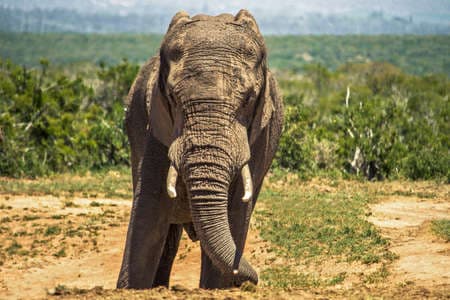
The northern circuit works well because each park plays a different role. Serengeti is the headline destination for large plains game and the Great Migration. Ngorongoro Crater is compact and efficient for high-density wildlife viewing in one day. Tarangire is known for large elephant herds and striking baobab landscapes, while Lake Manyara is often used as a shorter stop for lake scenery, birdlife, and a lighter game-drive day between bigger parks.
| Destination | Best for | Practical planning note |
|---|---|---|
| Serengeti | Migration, predators, classic plains safari | Best when you can spend at least two nights |
| Ngorongoro Crater | Efficient wildlife viewing in a single day | Strong option for shorter itineraries |
| Tarangire | Elephants, baobabs, quieter drives | Good early or late in the dry season |
| Lake Manyara | Birding, lake views, gentle entry day | Often paired with Ngorongoro |
Mount Kilimanjaro is not a safari park, but it matters in trip planning because many travellers land at Kilimanjaro International Airport before heading out. If you want to combine trekking and wildlife, it is better to treat the climb and the safari as separate components rather than squeezing both into one rushed itinerary. Arusha works best as the staging point for vehicle departures, pre-safari overnight stays, and any last-minute briefing.
The best itinerary length depends on how much ground you want to cover. A 3-day safari usually focuses on one or two parks and suits travellers with limited annual leave. A 4-day plan is the sweet spot for a first visit because it can include Tarangire, Ngorongoro, and either Manyara or a Serengeti overnight. An 8-day trip gives you enough time for a more balanced route, more than one Serengeti sector, and a better chance to match the season with the right wildlife area.
| Trip length | Typical route | Who it suits |
|---|---|---|
| 3 days | Arusha, Tarangire, Ngorongoro | Short-break travellers and business add-ons |
| 4 days | Tarangire, Ngorongoro, Serengeti or Manyara | First-timers wanting a balanced overview |
| 8 days | Tarangire, Manyara, Ngorongoro, Serengeti | Travellers who want time for migration tracking |
If you are planning a Zanzibar add-on, place it after the safari rather than before. That keeps the itinerary more forgiving if luggage delays, flight changes, or road delays affect your inland schedule. In practical terms, most travellers find it easier to finish with a beach stay than to start with one and then switch immediately into early-morning game-drive rhythm.
Safari pricing in Tanzania varies mainly by vehicle type, park-fee exposure, accommodation standard, and whether you are on a private or group departure. For planning purposes, budget safaris often use simpler lodges or tented camps and shared vehicles, while mid-range and luxury trips raise the cost through private guiding, better-located camps, and fly-in segments. The most confusing line item for travellers is often park and concession fees, because those are not the same as the lodge rate and can make a short safari look expensive compared with a long beach holiday.
| Budget tier | Typical US Dollar range per person | Usually includes |
|---|---|---|
| Budget | US Dollars 250-450 per day | Shared vehicle, basic lodge or tent, park fees sometimes separate |
| Mid-range | US Dollars 450-800 per day | Better-located camps, most meals, guided game drives |
| Luxury | US Dollars 800-1,500+ per day | Private vehicle options, premium camps, tailored routing |
A short safari can cost more per day than a longer one because vehicle time, guide time, and park entry are compressed into fewer nights. For example, a 3-day itinerary focused on Tarangire and Ngorongoro may feel costlier per day than an 8-day route that spreads transport and guiding across several nights. When comparing quotes, ask whether airport transfers, bottled water, crater fees, internal flights, and Zanzibar onward flights are included. Those details matter more than the headline price.
Tanzania is a year-round safari destination, but the best month depends on your goal. The dry season usually offers easier wildlife viewing because animals concentrate around remaining water sources and roads are more reliable. The green season brings better value and more dramatic skies, though some travellers need to accept wetter conditions and softer track conditions in certain areas.
| Period | What it is known for | Planning implication |
|---|---|---|
| Jan-Mar | Calving season in parts of the southern Serengeti | Strong for predator activity and photography |
| Jun-Oct | Dry season and broad game-viewing conditions | Highest demand and better for road reliability |
| Nov-Dec | Short rains and greener scenery | Can offer good value with fewer crowds |
If your priority is the Great Migration, do not book by month alone. The herds move with rainfall and grass quality, so the exact location can shift from year to year.
The most practical approach is to choose your main objective first: migration, fewer crowds, lower costs, or a better mix of parks. Then build the route around that objective rather than expecting one itinerary to excel at everything. That is especially important if you want to include Zanzibar, because the beach extension can be timed around your preferred safari season rather than forcing the safari into a fixed holiday window.
A good operator saves time, reduces stress, and usually improves the quality of the trip more than simply choosing the lowest quote. In Tanzania, the difference is often in the details: whether the company owns or consistently uses well-maintained vehicles, how closely the itinerary matches actual drive times, and whether the lodge mix is realistic for the season. If a quote looks unusually cheap, check what has been left out rather than assuming it is a bargain.
Ask for a day-by-day plan with drive times, park fees, accommodation names, and meal inclusions. Clear documentation is one of the best signs that the operator understands the circuit properly.
When comparing companies, look for evidence of local ground handling, recent traveller reviews, transparent cancellation terms, and membership in recognised trade bodies where available. Tanzania itineraries are sensitive to routing, so a reputable operator should be able to explain why one night belongs in Tarangire rather than being rushed straight into Serengeti. You should also confirm whether the safari is private or shared, because that affects flexibility, vehicle comfort, and the pace of each day.
If you want a smoother planning process, Zimtrek Travel can help compare lodge-style itineraries, private vehicle options, and Zanzibar extensions across Southern and East Africa travel planning. For a broader view of service style and approach, review the brand information on the About Zimtrek page and the current Popular Destinations.
US travellers should check official guidance before departure because health advice, entry rules, and local conditions can change. Tanzania commonly requires a passport valid for at least six months beyond travel dates, and many travellers need to arrange a visa before or on arrival depending on the current regulations. Because these rules can change, the safest planning approach is to verify requirements directly with official sources rather than relying on old forum posts.
Health planning is not just about vaccines. It also includes malaria prevention, travel insurance, and packing enough prescription medicine for the entire trip plus a few extra days.
Safari travel also involves practical safety habits. Keep valuables limited, use licensed transfers where possible, avoid leaving bags unattended in cities, and follow your driver-guide’s advice on wildlife distances and lodge protocols. In wildlife areas, early mornings and evenings are common game-drive times, so bring layered clothing, a headlamp or small torch, and sun protection that can handle both dust and strong light. If you are connecting through busy airports or spending a night in Arusha, build in buffer time so you are not rushed before the safari begins.
Another common error is treating Tanzania like a short city break. Road transfers can be long, especially when connecting multiple parks, so realistic pacing matters. If you want a more comfortable trip, prioritise fewer destinations, a better route, and enough nights in the Serengeti rather than racing through a long checklist. That is usually the difference between a trip that feels managed and one that feels improvised.
Use a simple pre-departure checklist to keep the planning manageable. Confirm your passport validity, check the latest visa guidance, review travel insurance, and make sure your itinerary matches your physical comfort level for road travel and early starts. Then verify luggage limits if you are taking domestic flights or a Zanzibar extension, because many safari-air segments have stricter baggage rules than international flights.
| Item | Why it matters | Good practice |
|---|---|---|
| Passport and visa | Entry compliance | Verify requirements close to departure |
| Travel insurance | Trip disruption and medical coverage | Carry policy details digitally and on paper |
| Medications | Continuity of care | Pack extra days beyond the itinerary |
| Luggage | Flight and vehicle limits | Use soft bags where domestic flights apply |
For official travel guidance, see the U.S. Department of State page on Tanzania at travel.state.gov. For broader safari planning context, the National Geographic Tanzania guide at National Geographic Travel and Tanzania safari cost comparisons from SafariBookings are useful starting points.
Get in touch with us and we'll get back to you as soon as possible.
Here's what sets us apart
We deliver exceptional experiences at fair, transparent prices, ensuring every journey offers genuine quality, comfort, and unforgettable adventure without unnecessary costs.
Your journey is crafted around your interests, pace, and travel style, giving you a custom-made adventure that feels authentic, meaningful, and entirely your own.
From planning to your final day of travel, our dedicated team is available to guide, assist, and ensure your trip runs smoothly and stress-free.
Don't just take our word for it
Keep reading