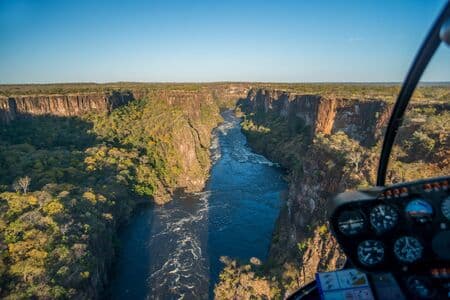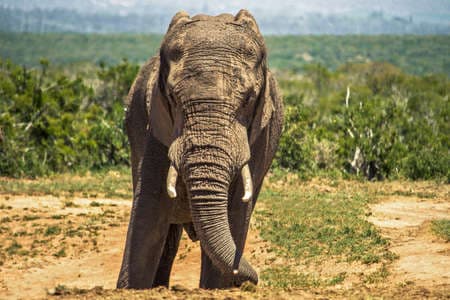
Discover the best safari experiences tailored to your travel style and budget.
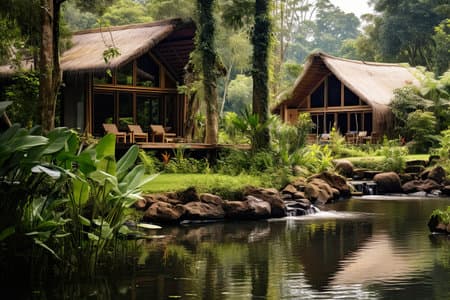
Get in touch with us and we'll get back to you as soon as possible.
Here's what sets us apart from the competition
We deliver exceptional experiences at fair, transparent prices, ensuring every journey offers genuine quality, comfort, and unforgettable adventure without unnecessary costs.
Your journey is crafted around your interests, pace, and travel style, giving you a custom-made adventure that feels authentic, meaningful, and entirely your own.
From planning to your final day of travel, our dedicated team is available to guide, assist, and ensure your trip runs smoothly and stress-free.
Find answers to common questions
Pack lightweight, neutral-coloured clothing, a warm layer for early-morning drives, sturdy shoes, sun protection, insect repellent, a good camera/binoculars, and any required medications or vaccinations after consulting your healthcare provider and local travel advice.
We work with a curated network of vetted lodges, camps, guides, and ground operators selected for local knowledge, safety standards, experience, and suitability to the traveller’s interests and budget.
Yes; itineraries can be tailored for wildlife photography, birding, family-focused activities, honeymooners, and adventure travel, with appropriate accommodations, vehicle options, and guide specialisations arranged on request.
Zimtrek specialises in safaris across Southern and East Africa, with core destinations including Zimbabwe, Botswana, Zambia, South Africa, Namibia, Kenya, and Tanzania.
Zimtrek designs tailor-made safaris including game drives, walking safaris, mobile tented camps, photographic safaris, and combined wildlife-and-cultural itineraries to suit solo travellers, couples, families, and small groups.
In This Article
Types of Safari Tours
Cost Breakdown Insights
Top Safari Destinations
If you are comparing safari options, the first thing to understand is what a safari tour actually bundles together. In Southern and East Africa, a well-built safari is usually more than game drives. It may include airport meet-and-greet, inter-camp transfers, domestic flights, park entry fees, guided activities, accommodation, some meals, and support from a professional safari driver-guide or lodge team. For travellers who want fewer moving parts, that structure is often the real value: one planning process, one itinerary, and fewer surprises on the ground.
A strong safari quote should tell you exactly what is included, what is excluded, and how you move between destinations. If those details are missing, the trip may look cheaper than it really is.
Zimtrek Travel focuses on tailor-made safari planning across Southern and East Africa, which matters because the best trip is rarely the same for a honeymoon couple, a family with children, or a photographer who wants time in one area. A short, high-end lodge stay in Botswana can feel very different from a multi-stop journey through South Africa, Zimbabwe, and Zambia. The practical question is not simply where to go, but how much movement you want, how much comfort you expect, and how much wildlife time you want per day.
core tour styles most travellers compare: budget, mid-range, private, and luxury
The most useful way to compare safari tours is by the way they are designed, not only by price. Budget tours typically use simpler lodges or camps, scheduled departures, and shared vehicles to reduce cost. Mid-range tours balance comfort and value, often using good three- or four-star properties with stronger guiding and more flexible routing. Luxury safaris tend to prioritise intimate camps, premium locations, and private guiding, while custom tailor-made itineraries let you mix categories within one trip.
| Tour type | Best for | Typical structure |
|---|---|---|
| Budget group safari | Travellers who want to see key parks with lower per-person costs | Shared vehicle, fixed departures, simpler accommodation |
| Private safari | Couples, families, photographers, and slower travellers | Dedicated guide, flexible pace, custom routing |
| Luxury lodge safari | Special occasions and comfort-led trips | Premium camps, high-touch service, often flights between regions |
| Themed safari | Honeymoons, birding, photography, or beach-and-safari trips | Itinerary designed around one travel goal |
For travellers considering a South African safari, a private or self-drive style can work well in places such as Kruger and nearby reserves. For Botswana, a more curated lodge-to-lodge itinerary is usually better because distances, seasonal floodplains, and transfer logistics can affect the pace of the trip. If you prefer fewer crowds and more control over the day, private touring is usually the best fit. If your priority is value, a group departure can be the smarter choice.
Destination choice changes everything, especially when you are comparing wildlife patterns, road transfers, and flight connections. Southern Africa is especially strong for travellers who want a mix of big-game viewing and good logistics. South Africa’s Kruger region offers excellent road access and wide accommodation choice. Botswana’s Okavango Delta is known for water-based landscapes and exclusive camps. Zimbabwe and Zambia are strong for safari plus Victoria Falls combinations. In East Africa, Tanzania and Kenya are best known for classic savannah scenery and the migration cycle, while Uganda is often discussed for gorillas, though that experience is outside the scope of most standard safari comparisons.
| Destination | Best time to go | Why it stands out |
|---|---|---|
| Kruger, South Africa | May to September | Dry season improves visibility as vegetation thins and animals cluster near water |
| Okavango Delta, Botswana | June to October | Excellent floodplain conditions and strong wildlife viewing on land and water |
| Victoria Falls and nearby parks, Zimbabwe/Zambia | February to May for peak water; July to October for lower spray and clearer views | Pairs well with safari routes and activity-based travel |
| Serengeti, Tanzania | June to October, with movement depending on migration timing | Broad plains, predator action, and seasonal migration viewing |
| Masai Mara, Kenya | July to October | High wildlife density and good chance of migration-related sightings |
A useful planning point is that the “best” month depends on your priorities. Dry months are often better for concentrated wildlife viewing in many parks, but green seasons can offer better value, dramatic skies, and fewer vehicles. If you want a safari-and-Falls route, Zimbabwe and Zambia work especially well in shoulder months because you can balance waterfall volume with game viewing in nearby parks such as Hwange or Lower Zambezi.
Safari pricing is easiest to understand when you break it into components. The biggest cost drivers are accommodation standard, transport method, park fees, and how exclusive the vehicle and guide are. A road-based group safari will usually cost less than a fly-in private itinerary because you are sharing more fixed costs. Similarly, a three-night stay in a simple tented camp costs far less than the same route using premium lodges with private transfers.
| Cost element | What it usually covers | What to check |
|---|---|---|
| Accommodation | Lodge or camp, meals, sometimes drinks | Room type, meal plan, and whether drinks are included |
| Transport | Road transfers, internal flights, or shared vehicle movement | Baggage limits, air route segments, and private transfer supplements |
| Park fees | Entry into national parks and reserves | Whether fees are prepaid or collected locally |
| Guide and vehicle | Driver-guide expertise and safari vehicle use | Group size per vehicle and guide credentials |
As a broad planning guide in 2026 and 2027, budget safaris in Southern Africa may start from roughly US Dollars 180 to 350 per person per day in shared itineraries, mid-range trips often sit around US Dollars 350 to 700, and luxury fly-in experiences can move well beyond US Dollars 800 per person per day depending on the season and the lodge. These are estimates, not fixed prices, and they change with route length, park fees, and whether transfers are road or air based. Tanzania and Kenya can also move higher in peak migration periods because demand rises around specific wildlife movements.
Do not compare safari quotes only on the nightly rate. A lower rate can hide extra transfer fees, park fees, tips, conservation levies, or flights between parks.
A trustworthy safari operator should make planning easier, not harder. Start by checking whether the company specialises in the regions you want to visit, because an operator with real route knowledge can explain seasonal access, transfer times, and lodge differences in practical terms. You also want clear communication on inclusions, realistic driving distances, and how the operator handles changes if weather or road conditions affect the plan. A polished website is helpful, but it is not enough on its own.
Good operators talk about vehicle type, guide quality, support during transfers, and lodge fit for your travel style. That is more useful than generic promises about “unforgettable experiences.”
When comparing proposals, ask for specific answers: How many guests share the vehicle? Are internal flights direct or via a hub? Are park fees included? Which meals and drinks are covered? Is the guide dedicated to your party or shared? A smaller, well-planned itinerary often delivers a better experience than a long list of destinations rushed into one trip. Zimtrek’s planning approach is built around matching the route to the traveller, which is especially important for first-time safari visitors who may not know whether to prioritise game viewing, scenery, or a combination of both.
The right itinerary length depends on how much flying or driving you want to do. A seven-day safari works well for one main region, while a ten-day trip gives you room to combine a signature park with a second experience such as Victoria Falls or a beach finish. Thirteen days or more is where multi-country journeys start to feel relaxed rather than rushed, especially if you want to compare landscape styles across Southern Africa.
| Duration | Good fit | Example routing idea |
|---|---|---|
| 7 days | First-time safari travellers | Kruger plus nearby reserve, or Botswana focused on one ecosystem |
| 10 days | Travellers wanting variety | Victoria Falls plus Hwange, or Cape Town plus Kruger |
| 13 days | In-depth safari planning | Botswana, Zimbabwe, and a finishing beach or city stay |
A seven-day route should avoid overpacking: one arrival night, four or five safari nights, and a buffer before departure usually feels more comfortable than constant transfers. A ten-day trip can support two destinations if they connect cleanly by road or short flight. For longer trips, choose a “main event” and one or two supporting areas. That is how you keep the itinerary cohesive rather than turning it into a checklist.
One of the biggest mistakes is choosing by headline price alone. A quote that looks attractive may exclude park fees, internal flights, premium drinks, or even airport transfers. Another common issue is assuming every destination has the same rhythm. In reality, Botswana often rewards slower, more immersive stays, while some road-access safari regions can handle a faster pace. Travel time matters just as much as lodge quality.
Travellers also underestimate seasonality. If you are hoping to see the migration, timing within the dry season matters more than simply choosing “winter” or “summer.” Similarly, if you are going to Victoria Falls, the water level changes the character of the visit. It is worth matching the date to the experience you actually want, not just the cheapest travel window.
Avoid building a route with too many park changes. Frequent transfers often reduce game-drive time and increase fatigue, especially on a short trip.
Start planning earlier than you would for a city break. High-demand safari lodges and migration-season rooms can sell out months in advance, especially for school holidays and peak dry season. If you are travelling in a group or want a specific lodge category, earlier booking gives you more choice on room mix, guides, and routing. You should also compare baggage rules carefully if your trip includes small aircraft transfers, because some aircraft have strict weight limits.
For travellers who want a simpler planning process, Zimtrek’s about page and contact page give a sense of how the company approaches custom trip design and trip coordination. That matters because a good safari plan is not just about choosing a park; it is about aligning lodges, transfers, and timing so the whole journey feels seamless.
Get in touch with us and we'll get back to you as soon as possible.
Here's what sets us apart
We deliver exceptional experiences at fair, transparent prices, ensuring every journey offers genuine quality, comfort, and unforgettable adventure without unnecessary costs.
Your journey is crafted around your interests, pace, and travel style, giving you a custom-made adventure that feels authentic, meaningful, and entirely your own.
From planning to your final day of travel, our dedicated team is available to guide, assist, and ensure your trip runs smoothly and stress-free.
Don't just take our word for it
Keep reading