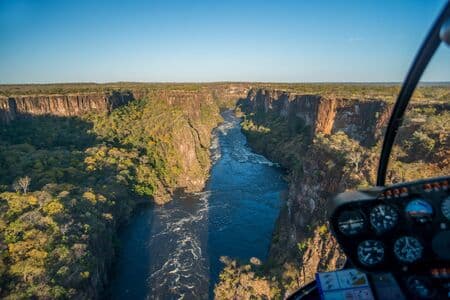
Discover the reasons behind safari dress codes and how to prepare for your adventure
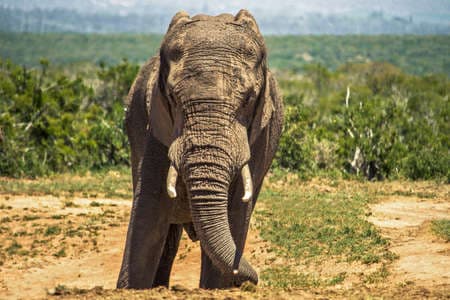
Image via 123RF
Get in touch with us and we'll get back to you as soon as possible.
Here's what sets us apart from the competition
We deliver exceptional experiences at fair, transparent prices, ensuring every journey offers genuine quality, comfort, and unforgettable adventure without unnecessary costs.
Your journey is crafted around your interests, pace, and travel style, giving you a custom-made adventure that feels authentic, meaningful, and entirely your own.
From planning to your final day of travel, our dedicated team is available to guide, assist, and ensure your trip runs smoothly and stress-free.
Find answers to common questions
Pack lightweight, neutral-coloured clothing, a warm layer for early-morning drives, sturdy shoes, sun protection, insect repellent, a good camera/binoculars, and any required medications or vaccinations after consulting your healthcare provider and local travel advice.
We work with a curated network of vetted lodges, camps, guides, and ground operators selected for local knowledge, safety standards, experience, and suitability to the traveller’s interests and budget.
Yes; itineraries can be tailored for wildlife photography, birding, family-focused activities, honeymooners, and adventure travel, with appropriate accommodations, vehicle options, and guide specialisations arranged on request.
Zimtrek specialises in safaris across Southern and East Africa, with core destinations including Zimbabwe, Botswana, Zambia, South Africa, Namibia, Kenya, and Tanzania.
Zimtrek designs tailor-made safaris including game drives, walking safaris, mobile tented camps, photographic safaris, and combined wildlife-and-cultural itineraries to suit solo travellers, couples, families, and small groups.
In This Article
Practical Safari Attire
Local Expertise
Dress Code Tips
Going on a safari is an extraordinary experience that requires careful preparation, especially when it comes to clothing. One of the most debated topics is the choice of color, with white often being discouraged. But why is this the case? Let’s explore the reasons.
White clothing can make you highly visible in the natural environment, which is a disadvantage when trying to observe wildlife. Animals have evolved to be sensitive to movement and color, and wearing white can alert them to your presence. This reduces your chances of getting close to the animals and can even disturb their natural behaviors.
The African savannah is a dusty place, and wearing white can quickly turn impractical as it shows dirt and stains more easily than other colors. This can be inconvenient, especially when you may not have frequent access to laundry facilities.
Pro Tip: Opt for earth-toned colors like khaki, green, and brown to blend in with the surroundings and mask dirt.
Insects, especially tsetse flies, are attracted to bright colors, including white. These flies can be a nuisance and even pose health risks. Wearing neutral and muted colors can help minimize your attractiveness to these insects.
In some African cultures, white is associated with mourning and may be inappropriate in certain contexts. Understanding and respecting local customs is essential when traveling.
| Reason | Impact |
|---|---|
| Visibility | Alerts animals to your presence |
| Dirt | Shows stains quickly |
| Insects | Attracts tsetse flies |
| Cultural Sensitivity | May be inappropriate in some areas |
Choosing the right clothing is crucial for a comfortable and successful safari. By understanding the reasons behind the dress code, you can enhance your experience and respect the environment and local cultures.
Selecting attire for a safari involves more than just avoiding white. Here are some practical tips and insights to help you dress appropriately for your adventure.
Comfort is key when spending long hours in a vehicle or walking through nature. Choose breathable fabrics like cotton or linen that allow air circulation and keep you cool. Avoid synthetic materials that can trap heat and moisture.
Tip: Layering is essential for varying temperatures. Mornings can be chilly, while afternoons may be hot.
Comfortable and sturdy footwear is a must. Whether you're in a vehicle or on foot, supportive shoes will help you navigate different terrains safely. Hiking boots or closed shoes are recommended.
Accessories can enhance your safari experience. Consider wearing a wide-brimmed hat for sun protection and sunglasses with UV protection. A lightweight scarf can protect against dust and sun exposure.
Packing the right essentials ensures you are prepared for various situations without overburdening yourself with unnecessary items.
| Item | Purpose |
|---|---|
| Rain Jacket | Protection from unexpected showers |
| Binoculars | Enhance wildlife viewing |
| Camera | Capture memories |
| Water Bottle | Stay hydrated |
Dressing for a safari requires thoughtful consideration of comfort, practicality, and respect for the environment. By making informed choices, you can enjoy a more fulfilling and immersive experience.
Get in touch with us and we'll get back to you as soon as possible.
Here's what sets us apart
We deliver exceptional experiences at fair, transparent prices, ensuring every journey offers genuine quality, comfort, and unforgettable adventure without unnecessary costs.
Your journey is crafted around your interests, pace, and travel style, giving you a custom-made adventure that feels authentic, meaningful, and entirely your own.
From planning to your final day of travel, our dedicated team is available to guide, assist, and ensure your trip runs smoothly and stress-free.
Don't just take our word for it
Keep reading