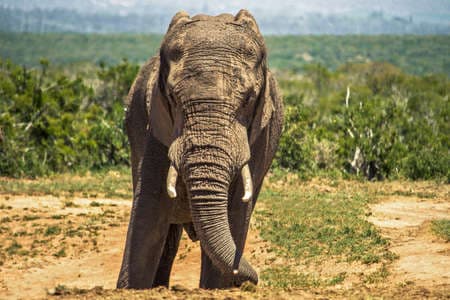
Discover how to combine thrilling safaris with serene lake adventures in Zambia.
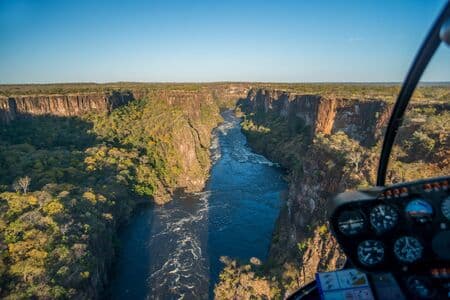
Get in touch with us and we'll get back to you as soon as possible.
Here's what sets us apart from the competition
We deliver exceptional experiences at fair, transparent prices, ensuring every journey offers genuine quality, comfort, and unforgettable adventure without unnecessary costs.
Your journey is crafted around your interests, pace, and travel style, giving you a custom-made adventure that feels authentic, meaningful, and entirely your own.
From planning to your final day of travel, our dedicated team is available to guide, assist, and ensure your trip runs smoothly and stress-free.
Find answers to common questions
Pack lightweight, neutral-coloured clothing, a warm layer for early-morning drives, sturdy shoes, sun protection, insect repellent, a good camera/binoculars, and any required medications or vaccinations after consulting your healthcare provider and local travel advice.
We work with a curated network of vetted lodges, camps, guides, and ground operators selected for local knowledge, safety standards, experience, and suitability to the traveller’s interests and budget.
Yes; itineraries can be tailored for wildlife photography, birding, family-focused activities, honeymooners, and adventure travel, with appropriate accommodations, vehicle options, and guide specialisations arranged on request.
Zimtrek specialises in safaris across Southern and East Africa, with core destinations including Zimbabwe, Botswana, Zambia, South Africa, Namibia, Kenya, and Tanzania.
Zimtrek designs tailor-made safaris including game drives, walking safaris, mobile tented camps, photographic safaris, and combined wildlife-and-cultural itineraries to suit solo travellers, couples, families, and small groups.
In This Article
Unique Safari-Lake Experiences
Tailored Itineraries
Transparent Cost Breakdown
The strongest Zambia trips are not built around a single park or a single lodge style. They work because the country lets you move from game-rich rivers and floodplains to quieter lake settings without losing the sense of wilderness. That is what makes a safari-and-lake journey different from a standard safari loop: you spend part of the trip tracking wildlife on foot, by vehicle, or by boat, then slow the pace beside the water for fishing, birding, sunset cruises, or a few quiet nights on the shore. For many travellers, that mix is easier to enjoy than a nonstop road safari, especially on a first visit to Southern Africa.
Zambia is especially well suited to travellers who want one trip to feel varied without becoming rushed. A fly-in itinerary can link Victoria Falls, the Zambezi, South Luangwa, and a lake stay with fewer long road transfers.
In practice, the appeal comes from contrast. South Luangwa is famous for walking safaris and high wildlife density around the Luangwa River system, while Lower Zambezi gives you river-based game viewing and canoe or boat outings. Kafue adds open space and a more remote feel. Lake Kariba and Lake Tanganyika then change the rhythm again: the focus shifts from tracking animals hour by hour to enjoying shoreline scenery, water activities, and lodge time. If you want a trip that balances active safari days with calmer water days, Zambia is one of the clearest choices in Southern Africa.
core safari-water combinations usually anchor a strong Zambia itinerary: South Luangwa with the Luangwa River, Lower Zambezi with the Zambezi, and Livingstone with the upper Zambezi and Victoria Falls.
The easiest way to plan the trip is to match each wildlife region with the right water stop. That avoids backtracking and helps you keep transport realistic. Livingstone is the natural opening or closing point because it gives you Victoria Falls, the Mosi-oa-Tunya area, and access to Zambezi-based activities. South Luangwa pairs well with a lodge break near a river or lagoon because game drives and walking safaris can be full days. Lower Zambezi is the most obvious river-and-safari pairing, especially if you want boat trips or canoeing. Lake Kariba works well as a slower finale, while Lake Tanganyika suits travellers who want a more relaxed, less crowded shoreline experience.
| Region | Best match | Why it fits |
|---|---|---|
| Livingstone / Mosi-oa-Tunya | Victoria Falls plus Zambezi river activities | Easy arrival point and a strong start or finish for mixed itineraries |
| South Luangwa | Luangwa River lodges and walking safaris | Excellent wildlife focus, especially for travellers who like guide-led interpretation |
| Lower Zambezi | Boat safaris and canoe outings | Strong river scenery and a good fit for active water-based days |
| Lake Kariba | Houseboat-style stays and lakeside lodges | Good for slower travel, fishing, and sunset viewing |
| Lake Tanganyika | Shoreline relaxation with a lake-first pace | Useful if you want less emphasis on game drives and more on water and scenery |
A useful planning detail is that the country’s best-known safari parks are not designed as one single circuit. South Luangwa sits in the east, Lower Zambezi in the south-east, and Kafue in the centre-west, so the route matters. If you are pairing a park with a lake, the trip usually works best when you accept one major transfer and then simplify everything else. That is where a well-sequenced itinerary matters more than simply adding more stops.
A good Zambia itinerary should feel layered, not crowded. The basic rule is to let safari time lead, then insert the water portion where it changes the mood rather than repeats it. For a 7-day trip, keep it tight: Livingstone for arrival and Victoria Falls, then either Lower Zambezi or a shorter lakeside stay if you want more relaxation than wildlife. An 11-day trip gives enough time for Livingstone, South Luangwa, and a lake or river finale. Fourteen days is the sweet spot for travellers who want the classic north-east safari section plus a calmer water finish.
| Trip length | Suggested structure | Best for |
|---|---|---|
| 7 days | Livingstone plus one safari region or one lake stay | First-time visitors and travellers with limited leave |
| 11 days | Livingstone, South Luangwa, and a shorter river or lake finish | Travellers who want variety without too many moves |
| 14 days | Victoria Falls, two safari regions, and Lake Kariba or Tanganyika | Travellers who want a fuller Southern Africa experience |
For a family or mixed-age group, the safest approach is usually to start in Livingstone, continue to a lodge with easy access and a reliable guide team, then finish with a lake property where the pace is slower. For honeymooners or photography travellers, South Luangwa plus Lower Zambezi gives more contrast in wildlife styles, and the lake component can be shorter. If you want the most balanced version of the trip, keep your water stay at the end; that way the final days feel restorative rather than like another transit day.
Costs vary widely because Zambia has a strong fly-in lodge market, but also a few good-value properties that work well for slower-paced travellers. A budget trip usually means simpler lodges, fewer internal flights, and more road-based transfers where practical. Mid-range trips often combine comfortable camps, selective flights, and lodge packages that include meals and some activities. Luxury trips generally use premium camps, more private guiding, and faster transfers, which reduces travel friction but pushes the price up. As a practical guide, it helps to budget per person per day rather than by destination alone.
| Style | Typical range per person per day | What is usually included |
|---|---|---|
| Budget | US Dollar 250-450 | Simple lodge, some meals, shared activities, limited flights |
| Mid-range | US Dollar 450-850 | Comfortable lodge, meals, game activities, some transfers |
| Luxury | US Dollar 850-1,500+ | Premium camp, fly-in movement, guided activities, high service levels |
Those figures are estimates for planning, not fixed rates. In Zambia, the biggest cost driver is usually the transfer pattern: one internal flight can be worth it if it saves a long road day, but unnecessary hopping between regions can make even a simple itinerary expensive. For lake trips, lodges on Kariba or Tanganyika can vary depending on whether you are booking a full board stay, a boat-focused package, or a retreat-style property with private guiding. If you want to stretch your budget, reduce the number of destinations and spend longer in each place rather than trying to do everything at once.
The best timing depends on whether your priority is wildlife concentration, road conditions, river activity, or lake comfort. The dry season from roughly June to October is the classic safari window because animals gather more predictably around remaining water sources and visibility is usually better. The green season from November to April can bring richer scenery and fewer visitors, but some roads become more challenging and some lodges reduce operations or shift access patterns. For lake travel, the timing question is slightly different: you are thinking about water levels, breezes, and how much of the trip you want to keep focused on relaxed days rather than high-action game viewing.
| Period | Best for | Trade-off |
|---|---|---|
| May to June | Good balance of cooler weather and improving road access | Some areas may still be transitioning from the rains |
| July to October | Peak safari viewing and strong activity options | Higher demand and hotter late-season conditions |
| November to April | Greener scenery, birding, and quieter lodges | Rain can affect some routes and activity schedules |
If your trip combines parks and lakes, avoid deciding on season from safari alone. A month that is excellent for game viewing may also be the one that makes a lake crossing or long road transfer less efficient.
For many travellers, June to September is the safest planning window because it keeps most route options open and works well for both wildlife and water-based stays. October can still be excellent, but it is hotter and drier, so comfort levels vary by traveller. If your main aim is a quieter atmosphere and good birding, the shoulder months can be very rewarding. The best answer is not the same for every traveller; it depends on whether you want to prioritise wildlife density, scenery, or a smoother pace on the water.
Planning a Zambia safari and lake trip is mostly about reducing avoidable risk, not worrying about dramatic problems. The practical issues are the ones that matter most: distance between destinations, road conditions after rain, wildlife etiquette, malaria precautions, and how you move around lodges and boats. Zambia is a wildlife destination, so the normal safari rules apply. Stay with your guide, keep a respectful distance from animals, and do not treat a shoreline or riverbank as a place for casual wandering, especially at dusk or dawn.
Good planning reduces most friction. Book transfers and activities through your lodge or travel planner so arrival times, boat departures, and game drives are aligned before you travel.
Health planning also matters. Travellers should check routine travel advice well before departure, confirm any medication needs, and discuss malaria prevention with a qualified health professional. In lake and river areas, insect protection is more important in the evenings and near vegetation. If your itinerary includes long road sections, build in extra time so you are not rushing between properties. A rushed transfer is often a bigger source of stress than the wildlife itself. When the trip includes a boat ride or canoe outing, listen carefully to the crew briefing and wear the recommended safety gear.
For many older travellers, the answer is yes, provided the itinerary is designed around comfort rather than endurance. A person in their seventies does not need to avoid Zambia; they need a pace that matches mobility, heat tolerance, and how much walking they want to do. The most important decision is not age itself, but the style of lodge, transfer method, and activity mix. Fly-in itineraries make a big difference because they reduce tiring road journeys, and lakeside properties can provide a gentler finale after more active safari days.
| Traveller profile | Best approach | Why it works |
|---|---|---|
| Active older couple | Fly-in safari with short walks and boat outings | Keeps energy for activities without long transfers |
| Traveller with limited mobility | Lakeside lodge, easy-access rooms, private vehicle use | Allows flexibility and fewer steps between activities |
| Multi-generational family | Shorter safari blocks with slower lake days | Balances different walking speeds and energy levels |
The main question is not “Is 70 too old?” but “How much movement is the trip asking for each day?” Walking safaris are optional, not mandatory, and many lodges can structure a day around vehicle drives, scenic viewing, and lodge time. If you are booking for an older parent or grandparent, ask about room access, steps, vehicle height, boat boarding, and whether activities can be made shorter. Zambia can be very comfortable for older travellers when the trip is built around a lower-impact pace.
The first mistake is trying to do too many regions in one journey. Zambia rewards depth more than speed. A second mistake is booking a lake stop that does not actually match the style of the safari portion. If your safari has been active and wildlife-focused, the lake days should feel like a change of pace, not just more transfers and more boxes to tick. A third mistake is ignoring seasonality. A property that is ideal in July may feel very different in January, especially if access depends on roads or boat schedules.
Do not assume that “near water” means “easy logistics.” Some of Zambia’s best safari-and-water combinations still involve long distances, so route planning matters as much as the lodges you choose.
Another common issue is underestimating what is included. Some lodge rates cover meals and game activities, while others separate drinks, boating, conservation fees, or transfers. If you are comparing options, look at the full package rather than the nightly rate alone. Finally, travellers sometimes forget that a lake trip is not only about scenery; it is also about comfort. Shade, insect control, boat timing, and room location can make a bigger difference to enjoyment than a glossy description on a booking page.
If you use that checklist, Zambia becomes much easier to plan. The best safari-and-lake trip is usually not the one with the most stops; it is the one where each stop has a clear purpose. Keep the wildlife days focused, let the water days slow the trip down, and match the season to the route. That is what turns the journey into something memorable rather than complicated.
Get in touch with us and we'll get back to you as soon as possible.
Here's what sets us apart
We deliver exceptional experiences at fair, transparent prices, ensuring every journey offers genuine quality, comfort, and unforgettable adventure without unnecessary costs.
Your journey is crafted around your interests, pace, and travel style, giving you a custom-made adventure that feels authentic, meaningful, and entirely your own.
From planning to your final day of travel, our dedicated team is available to guide, assist, and ensure your trip runs smoothly and stress-free.
Don't just take our word for it
Keep reading