Capture the beauty of Zimbabwe's landscapes and wildlife with expert advice.
Get in touch with us and we'll get back to you as soon as possible.
Here's what sets us apart from the competition
We deliver exceptional experiences at fair, transparent prices, ensuring every journey offers genuine quality, comfort, and unforgettable adventure without unnecessary costs.
Your journey is crafted around your interests, pace, and travel style, giving you a custom-made adventure that feels authentic, meaningful, and entirely your own.
From planning to your final day of travel, our dedicated team is available to guide, assist, and ensure your trip runs smoothly and stress-free.
Find answers to common questions
During a safari, you can expect to see a diverse range of bird species, including raptors, waterbirds, and endemic species native to Southern Africa. Each region offers unique opportunities for birdwatching, depending on the season and environment.
The best birding seasons in Southern Africa are typically during the rainy summer months from November to March, when migratory birds arrive and vegetation is lush. However, each region has its own unique birding highlights throughout the year.
Parks such as Kruger National Park in South Africa, Hwange National Park in Zimbabwe, and Chobe National Park in Botswana are highly recommended for wildlife photography, offering diverse ecosystems and abundant wildlife.
Yes, several parks in Southern Africa are renowned for birding, including Hwange National Park in Zimbabwe, Kruger National Park in South Africa, and Chobe National Park in Botswana. These locations provide a variety of habitats that attract a wide range of bird species.
Yes, Zimtrek Travel offers guided birding tours that include experienced local guides who are knowledgeable about the region's avifauna and can enhance your birding experience.
The best time for birdwatching in Southern Africa is typically during the wet season, from November to March, when migratory birds arrive and resident species are more active. However, many birds are also visible year-round, especially in diverse habitats.
Yes, Zimtrek Travel offers tailor-made itineraries that can be customized to focus on birding and wildlife photography, ensuring you visit the best locations for observing birds according to your preferences.
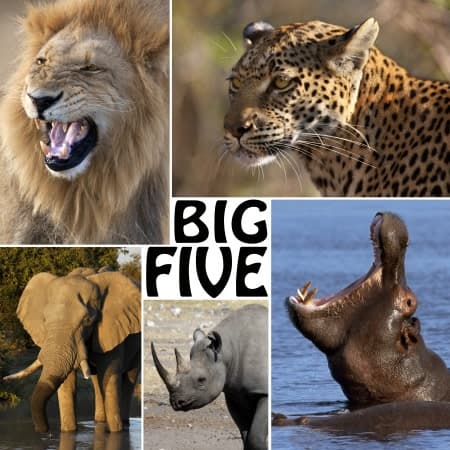
Southern Africa is home to a wide variety of wildlife, including elephants, lions, leopards, rhinos, and numerous bird species. Each destination has its own specialties that enrich the wildlife viewing experience.
Yes, Zimtrek Travel specializes in tailor-made itineraries that can be customized to focus on birding and wildlife experiences, ensuring that your specific interests are catered to.
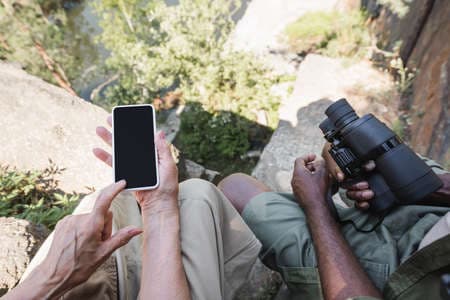
While not mandatory, bringing binoculars, a field guide for bird identification, and a camera with a zoom lens can enhance your birdwatching experience. Our expert guides can also assist you with the best practices for spotting and identifying birds.
In This Article
Top Locations
Camera Equipment
Lighting & Composition
Zimbabwe offers photographers a unique blend of diverse landscapes, rich wildlife, and vibrant cultures. From the majestic Victoria Falls to the expansive Hwange National Park, the country is a paradise for those looking to capture stunning natural scenes. The varied ecosystems provide endless opportunities to photograph everything from elephants and lions to rare birds and lush flora.
Tip: The best time for photography is during the dry season (May to October) when animals gather around water sources.
Choosing the right equipment is crucial for capturing the perfect shot in Zimbabwe. Here are some recommendations:
Tip: Always carry extra batteries and memory cards to avoid missing a shot.
Adjusting your camera settings to suit the environment and subject can greatly enhance your photos:
Light and composition are key elements that can transform a good photo into a great one. In Zimbabwe, early mornings and late afternoons offer the best natural lighting, often referred to as the 'golden hour'.
Composition techniques such as the rule of thirds, leading lines, and framing can help draw attention to the subject. Experiment with different angles and perspectives to add depth and interest to your images.
of successful wildlife photos rely on good lighting and composition.
Photographing wildlife behavior adds a dynamic element to your portfolio. Patience and observation are crucial when aiming to capture these moments. Spend time understanding animal habits and movements to anticipate action.
For instance, elephants are often seen at waterholes in the morning, while predators like lions and leopards are more active at dusk. Use a fast shutter speed to freeze movement and capture intricate details of animal interactions.
While capturing the perfect shot, it's important to respect wildlife and their habitats. Maintain a safe distance and avoid causing any stress or disturbance to the animals. Follow all park guidelines and respect local communities and their cultures.
Warning: Never approach wildlife too closely. Safety for both you and the animals is paramount.
Post-processing can enhance the quality of your images, emphasizing colors, contrast, and details. Use software like Adobe Lightroom or Photoshop to fine-tune your photos. Adjust exposure, contrast, and clarity to bring out the best in your shots.
Avoid over-editing, which can lead to unnatural images. Strive for a balance that enhances the natural beauty of the scene.
| Editing Software | Key Features |
|---|---|
| Adobe Lightroom | Comprehensive editing tools, presets, and batch processing. |
| Photoshop | Advanced editing, retouching, and compositing capabilities. |
Successful nature photography in Zimbabwe also involves meticulous planning. Consider the season, weather conditions, and the specific wildlife you want to photograph. Booking with experienced travel operators like Zimtrek Travel can enhance your experience, offering insights and access to prime locations.
Ensure you have the necessary permits and understand local regulations to enjoy a seamless and rewarding photography trip.
Zimbabwe's natural beauty provides endless opportunities for photographers. By following these expert tips and respecting the environment, you can capture images that tell a story and evoke emotion. Whether you're a seasoned photographer or a passionate enthusiast, Zimbabwe's landscapes and wildlife await your lens.
Get in touch with us and we'll get back to you as soon as possible.
Here's what sets us apart
We deliver exceptional experiences at fair, transparent prices, ensuring every journey offers genuine quality, comfort, and unforgettable adventure without unnecessary costs.
Your journey is crafted around your interests, pace, and travel style, giving you a custom-made adventure that feels authentic, meaningful, and entirely your own.
From planning to your final day of travel, our dedicated team is available to guide, assist, and ensure your trip runs smoothly and stress-free.
Don't just take our word for it
Keep reading