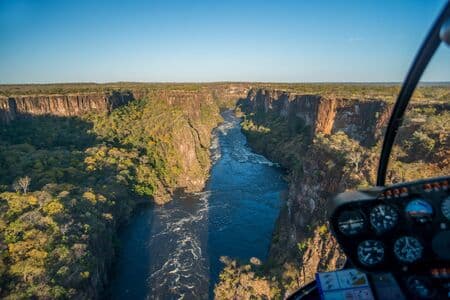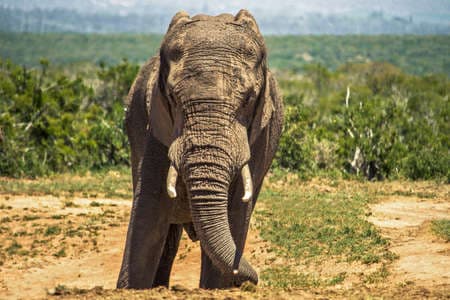
Explore unique wildlife, stunning landscapes, and personalized safari adventures in Zimbabwe.
Image via 123RF
Get in touch with us and we'll get back to you as soon as possible.
Here's what sets us apart from the competition
We deliver exceptional experiences at fair, transparent prices, ensuring every journey offers genuine quality, comfort, and unforgettable adventure without unnecessary costs.
Your journey is crafted around your interests, pace, and travel style, giving you a custom-made adventure that feels authentic, meaningful, and entirely your own.
From planning to your final day of travel, our dedicated team is available to guide, assist, and ensure your trip runs smoothly and stress-free.
Find answers to common questions
Pack lightweight, neutral-coloured clothing, a warm layer for early-morning drives, sturdy shoes, sun protection, insect repellent, a good camera/binoculars, and any required medications or vaccinations after consulting your healthcare provider and local travel advice.
We work with a curated network of vetted lodges, camps, guides, and ground operators selected for local knowledge, safety standards, experience, and suitability to the traveller’s interests and budget.
Yes; itineraries can be tailored for wildlife photography, birding, family-focused activities, honeymooners, and adventure travel, with appropriate accommodations, vehicle options, and guide specialisations arranged on request.
Zimtrek specialises in safaris across Southern and East Africa, with core destinations including Zimbabwe, Botswana, Zambia, South Africa, Namibia, Kenya, and Tanzania.
Zimtrek designs tailor-made safaris including game drives, walking safaris, mobile tented camps, photographic safaris, and combined wildlife-and-cultural itineraries to suit solo travellers, couples, families, and small groups.
In This Article
Unique Safari Offerings
Transparent Pricing
Tailored Itineraries
Zimbabwe earns its place on a safari shortlist because it delivers the parts many travellers care about most: strong guiding, varied scenery, and parks that still feel spacious enough to breathe. If you want a trip that mixes classic game drives with walking safaris, canoeing, and time at Victoria Falls, Zimbabwe is one of Southern Africa’s most rewarding choices. It is especially well suited to travellers who prefer substance over spectacle - meaningful wildlife encounters, good pace, and itineraries that can be shaped around your style.
What makes planning here different is that the country is not a one-note safari destination. Hwange gives you scale and elephant country. Mana Pools is famous for walking and riverfront wildlife. Gonarezhou brings remote wilderness and red sandstone scenery. Matobo adds culture, history, and rhino tracking in a dramatic granite landscape, while Victoria Falls and Zambezi National Park create an easy safari-plus-icons combination. That variety is why many first-time visitors end up returning for a second, more specialised trip.
Core safari areas travellers usually combine in one Zimbabwe itinerary
For international travellers, Zimbabwe also works well from a logistics point of view. You can fly into Victoria Falls or Harare, then connect to major park regions by road transfer or light aircraft. Zimtrek’s approach is to match the route to the traveller, not force a fixed package: a couple may want a stylish lodge at Victoria Falls followed by Mana Pools, while a family may prefer shorter transfers and a mix of game drives and water-based activities. The result is a trip that feels personal rather than formulaic.
Yes - and the reason is not just the wildlife. Zimbabwe is known for high-quality guides, especially in areas where walking safaris are a major feature. That matters because good guiding changes the whole experience: you notice tracks, bird calls, plant use, and animal behaviour rather than simply ticking off species. Travellers often describe Zimbabwe as a destination where interpretation is as memorable as the sightings themselves.
Zimbabwe is especially strong for travellers who want fewer vehicles at sightings, more authentic guiding, and a safari that feels active rather than rushed.
It is also a strong choice if you want variety without crossing multiple countries. In a single itinerary you can move from dry savanna to riverine wilderness to granite hills. That makes Zimbabwe suitable for repeat visitors, photographers, and anyone who wants a more layered itinerary than a standard two-park circuit. Compared with busier safari hubs in the region, many parks here still feel less crowded, which can make a noticeable difference during peak season.
The main trade-off is that planning needs to be more thoughtful than simply picking a lodge and arriving. Distances are real, road conditions vary, and some parks reward fly-in access. A well-built itinerary balances driving days, flight connections, and the type of safari you actually want to do. That is where local planning makes a big difference.
| Park | Best for | Typical access | Planning note |
|---|---|---|---|
| Hwange National Park | Elephants, predators, classic game drives | Road or short flight from Victoria Falls | Best all-rounder for first safari |
| Mana Pools | Walking safaris, river scenery, wild dog | Fly-in strongly recommended in season | Choose for activity and wilderness feel |
| Gonarezhou | Remote landscapes, fewer vehicles, big-feel wilderness | Usually self-drive or charter planning | Good for repeat travellers and explorers |
| Matobo | Rhino tracking, culture, scenery | Easy road access from Bulawayo | Excellent add-on, not a full wildlife circuit |
| Zambezi National Park | Quick safari near Victoria Falls | Very easy from town lodges | Ideal before or after the Falls |
If this is your first safari, Hwange usually offers the best balance of wildlife, lodge choice, and access. If you want a more immersive, active safari, Mana Pools stands out because walking and canoe-based experiences are part of the destination’s identity. Gonarezhou is for travellers who value remoteness and are happy with a more adventurous style of trip. Matobo works best as a shorter extension with a strong heritage angle, while Zambezi National Park is the simplest way to add game viewing to a Victoria Falls stay.
A good Zimbabwe itinerary usually combines one major wildlife park with one easier-access stop near Victoria Falls or a cultural region.
Zimbabwe safari pricing depends on travel style, park access, and how much private guiding or fly-in transport you want. For planning purposes, a realistic daily budget in 2025 is about 200 to 350 US Dollars per person for budget travel, 400 to 700 US Dollars per person for mid-range trips, and 900 US Dollars plus per person for luxury itineraries. These are estimates, not fixed rates, and costs can move depending on season, availability, and transport between parks.
| Tier | What it usually includes | Who it suits |
|---|---|---|
| Budget | Simple camps or guesthouses, shared transfers, fewer included activities, park fees sometimes separate | Independent travellers, self-drivers, value-focused visitors |
| Mid-range | Comfortable lodges, more meals included, guided game drives, good location near park gates | Couples, small groups, first-time safari guests |
| Luxury | High-end camps, private guiding, premium transfers or flights, curated experiences | Special occasions, photographers, travellers wanting convenience |
A practical tip is to compare what is actually included, not just the headline rate. One lodge may look expensive but include all meals, game drives, laundry, and airport transfers, while a lower-priced option may exclude park fees or internal flights. Zimtrek typically plans around total trip value, not just nightly room cost, because transport between areas like Victoria Falls and Mana Pools can change the budget significantly.
If you have seven to ten days, Zimbabwe can fit together very neatly. A balanced first-time route often looks like Victoria Falls, Hwange, and one additional stop such as Matobo or Zambezi National Park. For more experienced travellers, a fly-in circuit with Mana Pools and Hwange gives a stronger wilderness feel and reduces time on the road.
Do not try to squeeze too many parks into one short trip. Zimbabwe rewards slower pacing, especially if you want good guiding and time in camp.
One effective seven-day plan is: two nights at Victoria Falls, three nights in Hwange, and two nights at Zambezi National Park or Matobo depending on your interests. A ten-day version could add Mana Pools for a fly-in finale if the schedule and budget allow. This structure gives you variety without turning the trip into a transfer-heavy rush.
A realistic view of safety helps travellers plan confidently. Zimbabwe is not a destination where you should ignore normal city travel precautions, but tourist routes, lodges, and park circuits are commonly used by international visitors. As in many countries, petty theft can occur in urban areas, so it is wise to keep valuables discreet, use reputable transfers, and avoid unnecessary night driving. In safari areas, the bigger risks are usually logistical rather than criminal: rough roads, long distances, and wildlife around camps.
For travellers asking about racial safety, the practical answer is that Zimbabwe is used to international visitors and tourism is an established part of the economy. That said, social and political conversations can be sensitive anywhere. The best approach is the same one Zimtrek recommends for all guests: be respectful, stay informed, and work with trusted local operators who understand current conditions on the ground. There is no reason for alarmist thinking, but there is also no value in pretending that every area works the same way.
Tourist zones in Victoria Falls, Hwange, Mana Pools, and major lodge circuits are planned around visitors every season, but good logistics still matter more than ever.
The dry season, usually from May to October, is the most popular time for wildlife viewing because animals concentrate around remaining water sources and vegetation is thinner. This is especially useful in Hwange and parts of Mana Pools. The trade-off is that popular lodges can fill quickly, and late dry-season travel may require earlier booking.
The green season, roughly November to April, brings better birding, dramatic skies, and lower demand. It can be a smart choice for photographers and travellers who like a quieter atmosphere. Rain can affect access in some remote areas, so itinerary design should account for road conditions and the type of lodge you choose. Victoria Falls also changes character through the year: water levels, spray, and visibility vary significantly, so the experience is seasonal rather than static.
| Season | Typical strengths | Planning note |
|---|---|---|
| May to August | Cooler temperatures, strong game viewing, easier conditions | Good for first-time safari travellers |
| September to October | Very good wildlife concentrations, warm to hot conditions | Book early for best lodge availability |
| November to April | Birding, greenery, quieter parks, lower demand | Allow flexibility for weather and access |
A few planning choices have an outsized impact on the trip. First, decide whether guided or self-drive suits you better. Self-drive can work well in some areas, especially for confident travellers with time and the right vehicle, but guided travel is usually the better option for first-timers and for parks where road conditions or navigation are more complex. Second, consider how you will move between parks. Flying between Harare, Victoria Falls, and remote camps often saves valuable time and reduces fatigue.
Health and paperwork also need attention. Malaria risk varies by area and season, so travellers should check with a travel clinic before departure. For currency, many safari businesses quote in US Dollars, and it is sensible to carry small denominations for incidentals. Park fees may be charged separately or included in a lodge rate, so ask for a full breakdown before confirming. If you want a smoother experience, Zimtrek can build the route around airports, lodge transfer times, and the pace that suits your Zimbabwe tour packages.
Useful planning checklist: choose your entry airport, confirm whether park fees are included, check malaria advice, and decide if your priority is wildlife, walking, or a Victoria Falls add-on.
The most common mistake is underestimating distances. Zimbabwe looks manageable on a map, but road times and camp locations can make a rushed itinerary tiring. Another frequent error is treating all parks the same. Hwange, Mana Pools, Gonarezhou, and Matobo each reward a different kind of traveller, so choosing them for the right reason matters more than simply trying to visit the most famous names. Travellers also sometimes compare only nightly rates and miss the impact of transfers, charter flights, and inclusions.
A second mistake is waiting too long to book the dry season, especially if you want a specific lodge or a fly-in camp. A third is assuming a safari should be vehicle-based only. In Zimbabwe, walking and canoeing are part of the identity of the destination, and skipping them can mean missing what makes the trip distinctive. Finally, do not leave safety and health questions to the last minute; a well-planned Zimbabwe safari package feels calm because the details are handled before you travel.
Get in touch with us and we'll get back to you as soon as possible.
Here's what sets us apart
We deliver exceptional experiences at fair, transparent prices, ensuring every journey offers genuine quality, comfort, and unforgettable adventure without unnecessary costs.
Your journey is crafted around your interests, pace, and travel style, giving you a custom-made adventure that feels authentic, meaningful, and entirely your own.
From planning to your final day of travel, our dedicated team is available to guide, assist, and ensure your trip runs smoothly and stress-free.
Don't just take our word for it
Keep reading