Explore the beauty and adventure of Zimbabwe's wildlife and landscapes.
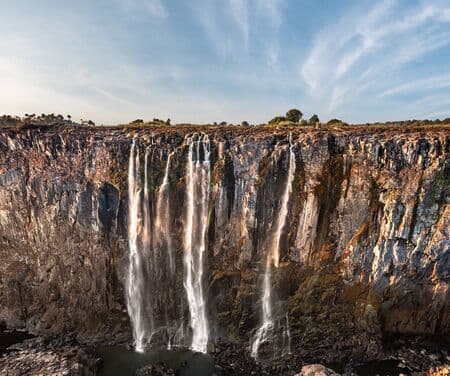
Image via 123RF
Get in touch with us and we'll get back to you as soon as possible.
Here's what sets us apart from the competition
We deliver exceptional experiences at fair, transparent prices, ensuring every journey offers genuine quality, comfort, and unforgettable adventure without unnecessary costs.
Your journey is crafted around your interests, pace, and travel style, giving you a custom-made adventure that feels authentic, meaningful, and entirely your own.
From planning to your final day of travel, our dedicated team is available to guide, assist, and ensure your trip runs smoothly and stress-free.
Find answers to common questions
Pack lightweight, neutral-coloured clothing, a warm layer for early-morning drives, sturdy shoes, sun protection, insect repellent, a good camera/binoculars, and any required medications or vaccinations after consulting your healthcare provider and local travel advice.
We work with a curated network of vetted lodges, camps, guides, and ground operators selected for local knowledge, safety standards, experience, and suitability to the traveller’s interests and budget.
Yes; itineraries can be tailored for wildlife photography, birding, family-focused activities, honeymooners, and adventure travel, with appropriate accommodations, vehicle options, and guide specialisations arranged on request.
Zimtrek specialises in safaris across Southern and East Africa, with core destinations including Zimbabwe, Botswana, Zambia, South Africa, Namibia, Kenya, and Tanzania.
Zimtrek designs tailor-made safaris including game drives, walking safaris, mobile tented camps, photographic safaris, and combined wildlife-and-cultural itineraries to suit solo travellers, couples, families, and small groups.
In This Article
Why Choose Zimbabwe?
Best Times to Visit
Tailored Itineraries
A safari in Zimbabwe works especially well for travellers who want a trip that feels focused rather than rushed. The country combines classic wildlife areas, one of Africa’s most famous natural landmarks, and a travel rhythm that still rewards people who value good guiding, smaller camps, and fewer vehicles at sightings. In practical terms, that means your days can be built around real experiences rather than long queues or over-commercialised stops. For Zimtrek clients, the appeal is usually the mix: a few nights near Victoria Falls, time in Hwange for elephant and predator viewing, and a longer wilderness stay in Mana Pools if the schedule allows.
Zimbabwe is strongest for travellers who prefer quality guiding, strong landscapes, and a more immersive safari pace over high-density tourism.
The country also fits a range of trip styles. Couples often choose a fly-in circuit with a mix of lodge comfort and activity variety. Families usually want short internal hops, reliable transfers, and a base that keeps logistics simple. Experienced safari travellers may focus on Mana Pools because it is one of the more rewarding places in Southern Africa for walking and canoe-based wildlife viewing when conditions are right. If you want to see the bigger picture of where Zimbabwe fits within regional safari planning, Zimtrek’s popular destinations page is a good starting point.
Core building blocks many Zimbabwe safaris use: Victoria Falls, Hwange, and Mana Pools
The best time depends on what you want the trip to feel like. From June to October, the dry season usually brings thinner vegetation and more predictable wildlife concentrations around remaining water sources. This is the easiest period for game viewing in Hwange and a strong choice if you are prioritising classic safari photography. The trade-off is that popular lodges book up earlier, and daytime temperatures can climb toward October. The green season, generally November to April, changes the emphasis: the landscape becomes lush, birding improves, and rates can be lower, but some roads can be affected by rain and wildlife may disperse more widely.
| Season | What it is like | Best for |
|---|---|---|
| June to October | Dry, clearer viewing, strong animal concentration | First-time safari travellers, photographers, Hwange itineraries |
| November to April | Greener scenery, occasional rain, excellent birdlife | Birders, value-focused travellers, repeat visitors |
| May and November shoulder periods | Transition months with mixed conditions | Travellers who want a balance of value and comfort |
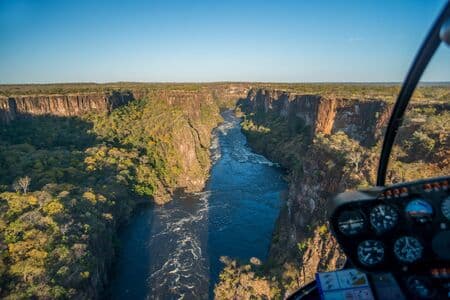
Victoria Falls is a useful exception to the simple “dry season equals best” rule. The waterfall experience changes through the year: high water can deliver dramatic spray and thunder, while lower water can reveal more of the rock face and make activities such as gorge visits or river experiences easier to appreciate. If you are combining the Falls with a safari, Zimtrek usually recommends deciding first whether the wildlife portion or the river-and-landmark portion is the main priority, then placing the trip in the season that suits that aim.
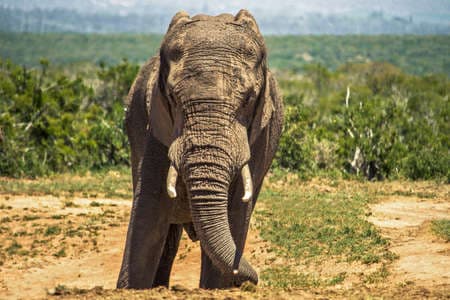
Hwange National Park is the practical safari anchor for many Zimbabwe itineraries. It is known for large elephant populations, broad plains, and a good network of lodges and camps that can suit different budgets. The park’s size means that location matters: some areas are better for seasonal waterholes and predator activity, while others are chosen for quieter, more exclusive experiences. Mana Pools feels very different. It is more remote, more seasonal, and better suited to travellers who want a wilderness-first experience with a strong sense of space. Victoria Falls, meanwhile, adds an iconic non-safari dimension and is often the easiest place to begin or end the trip.
| Destination | Best known for | Typical stay |
|---|---|---|
| Hwange | Elephants, lions, classic game drives | 3 to 4 nights |
| Mana Pools | Walking safaris, canoeing, riverfront wildlife | 3 to 5 nights |
| Victoria Falls | The falls themselves, river activities, easy connections | 2 to 3 nights |
For travellers with extra time, a Chobe day trip can be added from the Victoria Falls area, usually as a cross-border extension rather than a separate safari base. That works best when your main trip is already centred on Zimbabwe and you want more river wildlife viewing without changing accommodation every night. The key is not to overpack the itinerary. Zimbabwe rewards depth more than speed, so three carefully chosen stops usually deliver a better holiday than trying to see too much in one loop.
The strongest Zimbabwe itineraries use more than one way of seeing the bush. Game drives remain the backbone, especially in Hwange, because they cover distance efficiently and work well for morning and late-afternoon wildlife activity. Walking safaris are the most immersive option when conditions, lodge rules, and guide credentials line up correctly. They are not about covering large distances; they are about reading tracks, understanding habitat, and slowing down enough to notice smaller details that vehicle-based viewing can miss. Canoe safaris on the Zambezi River are a different kind of experience again, combining scenery, birdlife, and a strong sense of place.
If your main goal is a safari with variety, combine one park that favours drives with one that supports walking or river activities.
Fly-in circuits are worth considering if your schedule is tight or you want to reduce long road transfers. They generally cost more, but they can make a seven- or ten-day trip feel far more relaxed. Self-drive can work in some situations, especially for confident travellers who like flexibility, but it is less efficient for first-timers and not ideal for remote wilderness areas where local timing and road conditions matter. Zimtrek’s planning model usually favours guided or semi-guided logistics because it improves flow, reduces missed connections, and lets you use your time on safari rather than solving transfer problems.
A realistic Zimbabwe safari budget depends on where you sleep, how you move, and how many internal flights you use. As a planning guide, budget itineraries can start around US$250 to US$400 per person per day on a shared or simpler basis, mid-range trips often sit around US$450 to US$850 per person per day, and luxury fly-in trips can move from US$900 to US$1,800+ per person per day, depending on season and exclusivity. These are estimates, not fixed prices, because lodge rates, park fees, and transfer costs change by month and occupancy. The biggest cost drivers are usually domestic flights, private guiding, and the type of camp you choose rather than the park entry fee alone.
| Tier | Typical inclusions | Planning note |
|---|---|---|
| Budget | Simple lodges, shared transfers, set departures | Best when focused on 1 or 2 areas |
| Mid-range | Comfort lodges, guided game drives, some private transfers | Strong value for first-time visitors |
| Luxury | Premium camps, fly-ins, private guiding, more flexible timing | Best for depth, privacy, and convenience |
To understand total trip cost, add international flights to Zimbabwe, domestic flights if needed, park fees, gratuities, and any visa-related expenses. A seven-day mid-range holiday that includes Victoria Falls and Hwange can often land in the low-to-mid four-figure range per person before intercontinental airfare, while a more exclusive ten-day circuit with Mana Pools can rise significantly once fly-ins are added. For travellers using US Dollar budgeting, that transparency matters because safari pricing often looks simple at first but changes quickly with logistics.
Do not compare safari quotes only on nightly rate. Look at whether park fees, transfers, drinks, and flights are included, because those items can change the real total substantially.
A five-day trip is best treated as a focused sampler. A strong version would spend two nights at Victoria Falls and two nights in Hwange, giving you time for the falls, a sunset activity, and at least two game-viewing sessions without feeling over-programmed. Seven days allows a more balanced journey: Victoria Falls, Hwange, then either a final night back near the falls or a transfer onward if your flight schedule supports it. Ten days is where Zimbabwe starts to feel truly rewarding, because you can add Mana Pools and let the trip develop at a slower pace.
| Trip length | Suggested route | Best fit |
|---|---|---|
| 5 days | Victoria Falls + Hwange | First-timers with limited time |
| 7 days | Victoria Falls + Hwange with a buffer day | Couples and families wanting balance |
| 10 days | Victoria Falls + Hwange + Mana Pools | Travellers seeking depth and variety |
For a detailed planning conversation, Zimtrek’s contact and planning page is useful when you already know how many nights you have and want the route matched to your pace. The main principle is simple: shorter trips should stay tight geographically, while longer trips can justify remote wilderness areas and more internal movement.
For U.S. travellers, Zimbabwe is usually best approached with normal long-haul travel common sense rather than anxiety. Use reputable operators, keep valuables limited, and allow enough time for transfers and connections. Most safari camps and lodges are accustomed to international guests and can advise on practical matters such as arrival timing, luggage limits on small aircraft, and whether road or air transfers make more sense. It is also wise to check the latest health guidance before travel and discuss malaria prevention with a travel health professional, especially if you are visiting lower-lying or riverine areas.
Currency is commonly quoted in US Dollar terms in tourism, but always confirm whether rates are inclusive of park fees, transfers, and local taxes before paying a deposit.
Visas and entry rules can change, so do not treat old advice as current. Check the official sources before departure and make sure your passport has enough validity and blank pages. If you are self-driving, plan for fuel availability, road conditions, and realistic driving times; if you are flying, check baggage restrictions carefully because smaller aircraft used on safari routes often have strict weight limits. In Zimbabwe, the easiest trips are the ones where all these logistics are considered in advance rather than left to chance.
Zimbabwe and Zambia are close neighbours, but they deliver different safari personalities. Zimbabwe often feels stronger for travellers who want a more established safari circuit, especially if Hwange and Mana Pools are part of the plan. Zambia can be excellent for Lower Zambezi and South Luangwa, but if your route is centred on Victoria Falls plus wildlife, Zimbabwe tends to make the logistics cleaner. On the Falls side, Zimbabwe also offers one of the most straightforward ways to combine the landmark with a safari extension without losing too much time in border movement.
| Factor | Zimbabwe | Zambia |
|---|---|---|
| Falls plus safari flow | Very efficient | Good, but often more border-sensitive |
| Signature safari feel | Hwange and Mana Pools are classic and varied | Strong river and walking focus in other regions |
| Best for a first trip | Yes, especially for a focused itinerary | Yes, if the route is well chosen |
The right answer is less about which country is “better” and more about which one matches your routing and travel style. If you want to keep the trip streamlined and anchor it around Victoria Falls, Zimbabwe is often the more natural fit. If you are comparing both, think about how much time you want in transit, how remote you want the safari to feel, and whether you prefer road-based or fly-in movement.
The most common planning mistake is trying to do too much in one trip. Zimbabwe is not a country to “tick off” in a hurry; it rewards time and pacing. Another mistake is booking based only on headline lodge price, which often hides the true cost of transfers, flights, and park fees. Travellers also sometimes assume the dry season is the only worthwhile time to go, when in reality the green season can be a smart choice for birding, lower rates, and lush scenery.
Avoid last-minute route changes between remote parks unless your operator has already confirmed flight timings, road conditions, and baggage allowances.
A simple checklist helps: choose the season based on your priorities, keep the route compact, compare inclusions rather than only rates, check current entry rules, and decide early whether you want game drives alone or a mix of activities. If those five choices are handled well, a Zimbabwe safari holiday becomes much easier to enjoy and far more coherent as a travel experience.
Get in touch with us and we'll get back to you as soon as possible.
Here's what sets us apart
We deliver exceptional experiences at fair, transparent prices, ensuring every journey offers genuine quality, comfort, and unforgettable adventure without unnecessary costs.
Your journey is crafted around your interests, pace, and travel style, giving you a custom-made adventure that feels authentic, meaningful, and entirely your own.
From planning to your final day of travel, our dedicated team is available to guide, assist, and ensure your trip runs smoothly and stress-free.
Don't just take our word for it
Keep reading