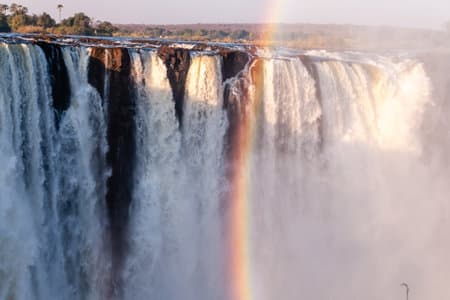
Discover thrilling experiences and practical tips for your Zimbabwe adventure.

Image via 123RF
Get in touch with us and we'll get back to you as soon as possible.
Here's what sets us apart from the competition
We deliver exceptional experiences at fair, transparent prices, ensuring every journey offers genuine quality, comfort, and unforgettable adventure without unnecessary costs.
Your journey is crafted around your interests, pace, and travel style, giving you a custom-made adventure that feels authentic, meaningful, and entirely your own.
From planning to your final day of travel, our dedicated team is available to guide, assist, and ensure your trip runs smoothly and stress-free.
Find answers to common questions
Contact Zimtrek via the contact form or email with your travel dates, group size, interests, and budget; a consultant will propose options that match your travel style and logistics. They refine the plan through a few rounds of revisions until the itinerary meets your needs.
After finalising the itinerary, Zimtrek issues a detailed quote and booking terms; a deposit is typically required to secure reservations, with the balance due before travel as specified in the contract. Cancellation and amendment policies are provided upfront and may vary by supplier and booking.
Yes; Zimtrek designs itineraries for solo travellers, couples, families, and small groups, adjusting accommodation types, activities, and transport to suit different ages and group dynamics. Recommendations balance convenience, safety, and the desired experience.
Zimtrek coordinates transfers, internal flights, ground transport, local guides, and bookings with a curated network of lodges, camps, and operators to provide seamless logistics. Your consultant will outline transport options and timing in the itinerary and confirm provider details before booking.
Zimtrek specialises in Southern and East Africa, including Zimbabwe, Botswana, Zambia, South Africa, Namibia, Kenya, and Tanzania, and offers safaris, Victoria Falls visits, beach holidays, cultural trips, wildlife photography, and adventure activities. It combines these into multi-destination routes where logistics allow.
In This Article
Unique Adventure Experiences
Local Community Engagement
Planning Essentials
Planning an adventure trip in Zimbabwe works best when you start with the kind of challenge you actually want, not just the destination name. A rafting trip on the Zambezi, a hike in the Eastern Highlands, a wildlife-focused drive in Hwange, and a multi-activity itinerary around Victoria Falls all ask for different pacing, fitness levels, transfers, and packing. That is why the most successful trips are usually built around one core thrill and then linked to one or two supporting experiences, rather than trying to cram in everything at once.
Good planning in Zimbabwe is less about booking the most activities and more about matching terrain, season, and logistics to your travel style.
For many travellers, the easiest route is to anchor the trip around Victoria Falls, then add a nearby adrenaline activity or a short safari extension. Others prefer to fly into Harare and head for the Eastern Highlands for hiking, mountain scenery, and slower-paced outdoor time. If you are travelling from South Africa, Botswana, or Zambia, overland connections can work well, but they need more buffer time than many visitors expect. Zimtrek’s value lies in shaping those moving parts into one smooth plan, so you spend less time coordinating transfers and more time actually enjoying the trip.
Core trip-building choices: activity type, region, and travel season
Before comparing operators, decide whether your priority is speed, scenery, wildlife, or cultural depth. A family with older children might value a combination of gentle game viewing and one memorable thrill, while a solo traveller may prefer a tighter, activity-heavy route with reliable transfers and sociable lodges. Couples often do best with a split itinerary that balances adventure with downtime, especially if the trip includes long drives or border crossings. Once your priorities are clear, the rest of the planning becomes far easier to judge.
A smooth adventure holiday in Zimbabwe starts with being honest about fitness, mobility, and comfort with uncertainty. Rafting on the Zambezi is physically demanding and more suitable for travellers who are comfortable with intense activity, while scenic hikes in the Eastern Highlands are more adaptable for mixed-ability groups. Game drives in Hwange may involve early starts, dusty roads, and long hours in the vehicle, which is still adventurous but in a very different way. If you know this before booking, you are far more likely to enjoy the trip instead of simply enduring it.
| Activity | Typical fitness need | Best fit | Planning note |
|---|---|---|---|
| White-water rafting | High | Thrill-seekers and active adults | Allow recovery time and check seasonal river conditions. |
| Hiking | Moderate to high | Scenic travellers and small groups | Carry water, sun protection, and sturdy footwear. |
| Safari activities | Low to moderate | Families, first-time visitors, photographers | Plan around early mornings and lodge transfer times. |
Do not assume every active holiday requires elite fitness. In Zimbabwe, many itineraries can be tailored with shorter hikes, private guiding, or gentler add-ons.
You should also think about timing in a practical way. The dry season often makes road travel easier and wildlife viewing stronger in some parks, but river and waterfall experiences can feel very different depending on water levels. If your chosen activity depends on weather, ask how the operator adapts routes when conditions change. A well-designed itinerary should include alternatives rather than leaving you stranded with an unusable day.
The best way to choose a tour is to compare the actual experience on the ground, not just the headline activity. Start by asking where each day begins and ends, how long transfers take, and whether the operator uses shared or private logistics. A rafting day and a highland walking itinerary may both sound active, but the transport, meals, and recovery time are completely different. The more precise you are at the selection stage, the more likely your final itinerary will feel effortless once you arrive.
For example, a traveller with only four or five days may get more value from a Victoria Falls base with one major activity, one wildlife outing, and one cultural or scenic half-day than from trying to move between too many regions. A longer trip opens the door to combining the Falls, Hwange, and the Eastern Highlands, but only if the transfer plan is realistic. Zimtrek often helps travellers compare these choices in plain language, because the best itinerary is not always the one with the longest list of activities.
Most booking mistakes happen when travellers compare prices without comparing the structure of the day. A lower headline rate may exclude transfers, guiding, or equipment, which can make the trip more expensive once extras are added. Another common issue is assuming every operator suits every traveller. A fast-paced adventure package can be exciting for a pair of experienced travellers, but it may feel rushed for a family or a group that wants photo stops and longer breaks.
One of the biggest mistakes is choosing an activity before checking the logistics around it. In Zimbabwe, transport between experiences can matter as much as the experience itself. A short-looking journey can still involve rough roads, early departures, or limited transfer windows, and that affects how much you can realistically fit into one day. Travellers also sometimes forget to check seasonal differences. A trip that looks ideal on paper may be less suitable if river conditions, road surfaces, or park access change during the month you travel.
If a quote is vague about inclusions, ask for a line-by-line breakdown. Hidden extras are one of the easiest ways for an adventure budget to drift.
Another mistake is underestimating how much downtime matters. After a physically demanding day, travellers often appreciate a comfortable lodge, a good meal, and minimal transfer stress more than another activity. This is especially true for mixed-age groups and couples combining adventure with a special-occasion trip. It is also worth checking whether your chosen operator can adjust the pace if someone in the group needs a slower schedule. Flexibility is often what turns a good trip into a memorable one.
Before confirming any trip, make sure the essentials are covered. This is less about overpacking and more about avoiding avoidable friction. Good preparation helps you focus on the scenery, the adrenaline, and the stories you will tell afterwards.
| Checklist item | Why it matters | What to confirm |
|---|---|---|
| Activity suitability | Keeps expectations realistic | Fitness level, age limits, and mobility needs |
| Logistics | Prevents time loss | Transfers, start times, and overnight stops |
| Inclusions | Avoids extra costs | Gear, meals, fees, guiding, and airport pickups |
| Packing | Improves comfort | Shoes, sun protection, layers, and dry bags if needed |
A strong Zimbabwe adventure plan is usually built around fewer, better-matched experiences rather than a packed schedule that leaves no room for recovery.
Useful packing often depends on the activity. For river trips, lightweight clothing that dries quickly is more practical than bulky items. For hikes, proper footwear matters far more than fashion. For wildlife days, neutral colours, a camera, and patience go a long way. It also helps to pack travel documents, any required personal medication, and a small day bag that keeps essentials close during transfers. If you want an outside reference for gear ideas, this Zimbabwe packing guide gives a useful starting point, while this overview of white-water rafting on the Zambezi shows how activity details can differ by operator. For travellers interested in a quieter outdoor experience, the Eastern Highlands are a strong fit for hiking and scenic exploration.
Adventure travel becomes far more meaningful when it includes real interaction with local people, not just pass-through sightseeing. In Zimbabwe, that might mean visiting a community project near a safari area, learning how local guides interpret the landscape, or stopping for a cultural experience that adds context to the day’s activities. These moments are often what travellers remember most clearly because they connect the terrain with the people who live there.
When community engagement is done well, it supports local livelihoods and gives travellers a more grounded view of the country. That can be as simple as buying crafts directly from makers, joining a guided village visit, or choosing operators who work with local staff and suppliers. Zimtrek’s approach is to favour partners that value genuine involvement rather than staged encounters, because travellers usually notice the difference. For background on local engagement, this community tourism resource offers a useful perspective on how cultural visits can be structured respectfully.
Zimbabwe stands out because it offers more than one type of adventure. The Zambezi corridor is ideal for high-energy water activities, while the Eastern Highlands bring cooler mountain air, scenic trails, and forested landscapes. Hwange adds a different layer altogether, where adventure comes through long game drives, remote camps, and the feeling of distance from busy roads. If you want the trip to feel varied, build it around contrast: water plus wildlife, or hiking plus culture, or city access plus wilderness.
This is where regional planning pays off. A traveller who wants action may spend a few nights near Victoria Falls, add a wildlife stop in Hwange, and finish with a slower scenic stay in the highlands. Another traveller may prefer one base and several half-day excursions rather than moving accommodation repeatedly. For route inspiration, the Hwange National Park page is helpful for understanding how wildlife and wilderness fit into a larger adventure itinerary.
Adventure travel is at its best when travellers prepare responsibly. That means checking guide credentials, understanding how equipment is used, following instructions carefully, and being realistic about your own comfort level. On active days, small choices make a big difference: proper footwear, sun protection, hydration, and listening to the guide before each activity. For water-based or remote trips, it is wise to ask what the contingency plan is if weather, road conditions, or group fitness changes the schedule.
It is also sensible to brief everyone in your group before departure. Families, for example, should agree in advance on pace and expectations, while couples or friends may need to decide how much activity they want versus how much relaxation they expect. The safest trips are usually the ones where travellers are well informed, properly packed, and not trying to improvise too much once they arrive. For general tourism principles around responsible travel, the sustainable tourism resource offers useful context.
Budgeting works best when you divide the trip into four parts: activity costs, accommodation, transfers, and extras. In Zimbabwe, the biggest surprises usually come from transport and add-ons rather than the headline activity itself. A seemingly modest tour can become significantly more expensive if it requires private road transfers, airport pickups, park fees, or extra nights because of flight timings. It is often better to request a fully itemised quote in US Dollars so you can compare like for like.
If your budget is tighter, focus on one signature activity and choose a well-located base to reduce transfer costs. If your budget is more flexible, upgrading to private guiding, longer stays, or lodge combinations can make the journey more comfortable without changing the core experience. The smartest spending usually goes into time-saving logistics and good guiding, because those affect the quality of the whole trip rather than a single moment.
Sustainable adventure travel in Zimbabwe is not about giving up excitement; it is about making sure the experience supports the places and people that make it possible. That means staying on designated trails, respecting wildlife distance, reducing waste, and choosing operators that employ local teams and work with responsible suppliers. Travellers who care about the long-term future of the destination should ask how their booking contributes to conservation or community benefit.
One practical way to travel more responsibly is to keep itineraries efficient. Fewer unnecessary transfers usually mean less fuel use and less fatigue. Buying local meals, hiring local guides, and choosing lodges that demonstrate clear environmental practices all help keep value in the destination. Sustainable tourism is also simply good trip design: it tends to produce better stories, deeper encounters, and a more authentic sense of place.
Get in touch with us and we'll get back to you as soon as possible.
Here's what sets us apart
We deliver exceptional experiences at fair, transparent prices, ensuring every journey offers genuine quality, comfort, and unforgettable adventure without unnecessary costs.
Your journey is crafted around your interests, pace, and travel style, giving you a custom-made adventure that feels authentic, meaningful, and entirely your own.
From planning to your final day of travel, our dedicated team is available to guide, assist, and ensure your trip runs smoothly and stress-free.
Don't just take our word for it
Keep reading