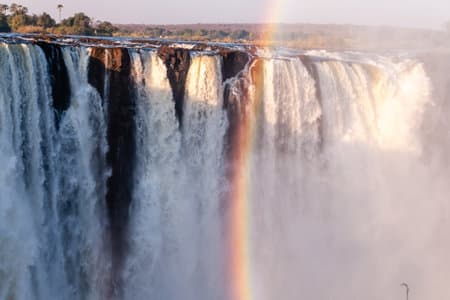
Discover hands-on activities and experiences that make family travel in Africa unforgettable.

Image via 123RF
Get in touch with us and we'll get back to you as soon as possible.
Here's what sets us apart from the competition
We deliver exceptional experiences at fair, transparent prices, ensuring every journey offers genuine quality, comfort, and unforgettable adventure without unnecessary costs.
Your journey is crafted around your interests, pace, and travel style, giving you a custom-made adventure that feels authentic, meaningful, and entirely your own.
From planning to your final day of travel, our dedicated team is available to guide, assist, and ensure your trip runs smoothly and stress-free.
Find answers to common questions
Contact Zimtrek via the contact form or email with your travel dates, group size, interests, and budget; a consultant will propose options that match your travel style and logistics. They refine the plan through a few rounds of revisions until the itinerary meets your needs.
After finalising the itinerary, Zimtrek issues a detailed quote and booking terms; a deposit is typically required to secure reservations, with the balance due before travel as specified in the contract. Cancellation and amendment policies are provided upfront and may vary by supplier and booking.
Yes; Zimtrek designs itineraries for solo travellers, couples, families, and small groups, adjusting accommodation types, activities, and transport to suit different ages and group dynamics. Recommendations balance convenience, safety, and the desired experience.
Zimtrek coordinates transfers, internal flights, ground transport, local guides, and bookings with a curated network of lodges, camps, and operators to provide seamless logistics. Your consultant will outline transport options and timing in the itinerary and confirm provider details before booking.
Zimtrek specialises in Southern and East Africa, including Zimbabwe, Botswana, Zambia, South Africa, Namibia, Kenya, and Tanzania, and offers safaris, Victoria Falls visits, beach holidays, cultural trips, wildlife photography, and adventure activities. It combines these into multi-destination routes where logistics allow.
In This Article
Hands-On Learning
Adventure Awaits
Planning Tips
The best family trips in Southern Africa are not built around “keeping children busy”; they are built around giving them a role in the journey. For younger children, that role might be spotting tracks on a game drive, helping identify birds at breakfast, or choosing the next stop on a self-drive route. For older children, it can mean joining a guide on a short bush walk, learning how a working farm or conservancy operates, or comparing wildlife habitats between a riverfront lodge and a dry savannah camp. When activities are chosen this way, kids stay interested because they are participating, not just observing.
In Southern Africa, the strongest family experiences usually combine three ingredients: manageable travel times, a mix of active and quiet moments, and a setting where guides are comfortable adapting explanations for different ages. Zimtrek Travel often recommends building each day around one anchor experience, then leaving breathing room for rest, pool time, snacks, and downtime. That approach matters because many child-friendly lodges and camps in Zimbabwe, Botswana, Namibia, South Africa, and Zambia work best when the day is paced rather than packed.
A useful rule: younger children usually engage longer when an activity lasts under two hours, while older kids can handle longer experiences if there is a hands-on task or clear goal.
activity types that work especially well for family safaris: nature, culture, and gentle adventure
Before booking anything, match the activity to the child’s age, temperament, and attention span. A seven-year-old who loves animals may be thrilled by a short rhino-tracking experience, while a teenager may prefer canoeing, e-biking, or photographing elephants at sunset. It is also important to think about logistics that adults sometimes overlook: how long transfers take, whether an activity runs in the heat of the day, whether meals are included, and whether the operator can adapt for a child who gets tired quickly. These details make the difference between a smooth day and one that feels too long.
Families should also check the practical side of each destination. Some lodges in game areas accept children only above a certain age on shared game drives, while others offer family vehicles or private guides. In Zimbabwe and Botswana, for example, a private vehicle can be especially valuable if you want to stop frequently for wildlife, snacks, or bathroom breaks. In South Africa’s family-friendly reserves, self-drive or private reserve formats may suit parents who want more flexibility. Zimtrek’s planning approach is to build the itinerary around the least flexible part of the trip first, then fit the fun around it.
| Age group | Works well for | Avoid or adjust |
|---|---|---|
| Under 6 | Short nature walks, cultural storytelling, animal tracking games, pool time | Long game drives, late finishes, very hot midday activities |
| 6 to 11 | Boat trips, craft sessions, easy cycling, ranger-led learning, canoeing where suitable | Overly long transfers, activities without breaks |
| 12+ | Photography, active safaris, village visits, adventure add-ons, guided bush walks | Itineraries that feel too childish or too rigid |
Begin by mapping when your children are naturally at their best. Many families find that early mornings work well for wildlife viewing, while afternoons are better for swimming, crafts, or relaxed cultural visits. This is why a classic game-drive-heavy schedule can work beautifully for one family and fail for another. Build the itinerary around what your children can genuinely enjoy, not what sounds impressive on paper.
Each stop should have a clear purpose. In Victoria Falls, for example, the signature experience might be a guided falls visit plus a gentle sunset cruise. In Hwange, it might be a private vehicle safari with a knowledgeable guide who can turn tracks, dung, and bird calls into a game. In Botswana, it may be a mokoro-style water experience in suitable areas or a lodge-led nature activity. Limiting each destination to one memorable highlight keeps the trip from becoming exhausting.
Children remember the trip more deeply when they are asked to do something practical. Let them use a field guide to match footprints, sketch a bird they saw at breakfast, or ask a guide three questions before leaving camp. Cultural stops work best when they include making, tasting, listening, or helping, rather than passive observation. A beadwork demo, a bread-making session, or a drumming lesson usually holds attention better than a long talk.
A family itinerary should feel generous, not packed. Two scheduled experiences in a day is usually enough once meals, transfers, and rest are counted. This is especially important in safari regions where road conditions, heat, and wildlife viewing opportunities can change the pace without warning. A little space in the day gives children time to reset and keeps parents from managing constant transitions.
Avoid planning back-to-back long drives and full activities on the same day. In family travel, fatigue often reduces enjoyment faster than cost or weather.
The most common mistake is choosing activities that excite adults but overload children. A long birding excursion, a full-day transfer, and a late dinner can sound reasonable in isolation, but together they create a trip that feels like logistics rather than adventure. Another frequent issue is assuming all “family-friendly” experiences are suitable for all ages. In practice, a lodge may welcome children but still recommend certain drives or walks only for older kids, especially where pace, patience, and safety matter.
A second mistake is overlooking how different environments affect comfort. Desert landscapes in Namibia can mean stronger sun exposure and more time in vehicles, while river and delta settings in Botswana may involve early starts, insects, and wetter conditions. In Zimbabwe and South Africa, some family areas are more flexible than remote wilderness camps, which can make them better first safari choices for younger children. Zimtrek usually advises families to think in terms of rhythm: how many moves, how many early starts, and how much variety a child can genuinely handle without burning out.
The strongest family itineraries are built around one unforgettable moment per day, not five competing highlights.
The most successful activities are the ones that connect children to place. In wildlife areas, that often means short game drives, animal tracking, hide visits, and boat trips where kids can watch hippos, crocodiles, and birdlife without needing to sit still for too long. In less safari-focused areas, markets, farm visits, museums with interactive exhibits, and scenic cableway or viewpoint stops can break up the trip. A family that enjoys photography might also turn a drive into a scavenger hunt: identify a horn shape, a bird colour, or a track in the sand.
| Activity | Best for | Why it works |
|---|---|---|
| Short game drive | Most ages | High interest, easy to pause, and strong wildlife payoff |
| Boat or river cruise | Children who tire easily | Seated, scenic, and good for watching animals from a new angle |
| Nature walk with guide | Older children | Turns observation into a hands-on lesson about tracks, plants, and insects |
| Craft or cooking session | All ages | Keeps kids engaged without physical fatigue |
Cultural activities work best when they are interactive rather than observational. A workshop where children try basket weaving, clay shaping, cooking, drumming, or simple language greetings gives them a memory they can describe later. In Southern Africa, these experiences are especially valuable when they are tied to local livelihood, conservation, or community life, because children begin to understand that a destination is more than scenery. The activity should feel authentic, short enough to hold attention, and guided by people who are used to engaging young visitors.
The key is to choose experiences with a clear exchange. If children are going to visit a community or workshop, they should leave with something they made, learned, or practised. That might be a small craft, a song, a recipe, or a simple wildlife fact they can repeat. This makes cultural time feel meaningful rather than tokenistic. Parents should also ask whether photography is welcome, whether children will be invited to participate, and whether the experience is adapted for different ages.
Adventure does not have to mean extreme. For families, the best options are activities that create a sense of achievement without becoming stressful. Gentle canoeing, scenic cycling, supervised zipline options where available, easy hiking, or sand dune excursions can all work well when operators are used to families. In Southern Africa, these experiences pair especially well with safari time because they give children a change of pace and let them use a different kind of energy.
A good family adventure should have two qualities: clear supervision and a sensible duration. If an activity relies on constant concentration, it should be short; if it is longer, there should be a calm rhythm and rest points. That is why a half-day water activity or a guided easy trail often works better than a highly technical excursion. For many families, the most memorable adventure is not the hardest one, but the one where everyone finishes smiling rather than exhausted.
Family safety begins with planning, not with last-minute caution. Use lodges and operators that can explain age restrictions clearly, provide child seats where needed, and structure transfers around your schedule rather than a generic timetable. Keep children visible around water, vehicles, and unfenced wildlife areas, and make sure they understand camp rules in simple language. For example, a child should know whether they may walk alone between tent and restaurant, or whether an adult must always accompany them after dark.
Health planning matters too. Pack any regular medication, sun protection, reusable water bottles, and a small first-aid kit that covers minor cuts, insect bites, and motion sickness. Families travelling between Zimbabwe, Botswana, Namibia, South Africa, and Zambia often cross climates, so layers are more useful than bulky clothing. If your children are prone to boredom during transfers, bring books, stickers, drawing materials, or offline games rather than relying only on screens. On safari, a child who is engaged is usually a safer and happier traveller.
Never assume a lodge activity is automatically suitable for children just because it is available. Confirm age, supervision, and transfer time before you book.
A simple checklist keeps the focus on enjoyment rather than scrambling for supplies. It helps to pack light, but not too light. Children usually do best when they have familiar items close by, especially on multi-stop itineraries. Consider a daypack with water, snacks, wipes, sunscreen, hats, a spare layer, and one comfort item for each child. For older kids, a small camera or notebook can turn the trip into a personal project.
| Essential item | Why it matters |
|---|---|
| Snacks and refillable water bottle | Helps manage hunger between activity times and transfers |
| Sun hat, sunscreen, and light layers | Useful for changing weather and long outdoor hours |
| Wet wipes and hand sanitiser | Practical for meals, dusty stops, and quick clean-ups |
| Comfort toy or book | Makes transfers and quiet time easier |
| Basic first-aid kit | Covers small scrapes, headaches, or motion sickness |
Get in touch with us and we'll get back to you as soon as possible.
Here's what sets us apart
We deliver exceptional experiences at fair, transparent prices, ensuring every journey offers genuine quality, comfort, and unforgettable adventure without unnecessary costs.
Your journey is crafted around your interests, pace, and travel style, giving you a custom-made adventure that feels authentic, meaningful, and entirely your own.
From planning to your final day of travel, our dedicated team is available to guide, assist, and ensure your trip runs smoothly and stress-free.
Don't just take our word for it
Keep reading