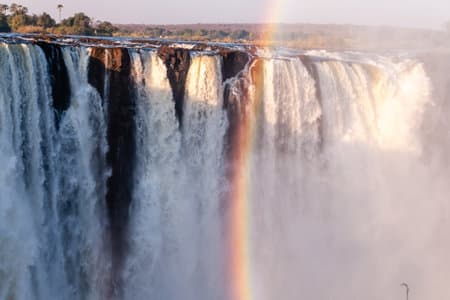
Personalized travel experiences tailored to your unique preferences and interests.

Image via 123RF
Get in touch with us and we'll get back to you as soon as possible.
Here's what sets us apart from the competition
We deliver exceptional experiences at fair, transparent prices, ensuring every journey offers genuine quality, comfort, and unforgettable adventure without unnecessary costs.
Your journey is crafted around your interests, pace, and travel style, giving you a custom-made adventure that feels authentic, meaningful, and entirely your own.
From planning to your final day of travel, our dedicated team is available to guide, assist, and ensure your trip runs smoothly and stress-free.
Find answers to common questions
Contact Zimtrek via the contact form or email with your travel dates, group size, interests, and budget; a consultant will propose options that match your travel style and logistics. They refine the plan through a few rounds of revisions until the itinerary meets your needs.
After finalising the itinerary, Zimtrek issues a detailed quote and booking terms; a deposit is typically required to secure reservations, with the balance due before travel as specified in the contract. Cancellation and amendment policies are provided upfront and may vary by supplier and booking.
Yes; Zimtrek designs itineraries for solo travellers, couples, families, and small groups, adjusting accommodation types, activities, and transport to suit different ages and group dynamics. Recommendations balance convenience, safety, and the desired experience.
Zimtrek coordinates transfers, internal flights, ground transport, local guides, and bookings with a curated network of lodges, camps, and operators to provide seamless logistics. Your consultant will outline transport options and timing in the itinerary and confirm provider details before booking.
Zimtrek specialises in Southern and East Africa, including Zimbabwe, Botswana, Zambia, South Africa, Namibia, Kenya, and Tanzania, and offers safaris, Victoria Falls visits, beach holidays, cultural trips, wildlife photography, and adventure activities. It combines these into multi-destination routes where logistics allow.
In This Article
Tailor-Made Adventures
Local Expertise
Avoid Common Pitfalls
Bespoke travel works best when the journey is built around how you like to move, not around a fixed departure date or a one-size-fits-all route. In Southern Africa, that matters because distances, seasons, and travel styles vary widely between places like Victoria Falls, Hwange, the Okavango, the Namib Desert, Cape Town, and the Winelands. A well-designed trip can combine wildlife, culture, coastline, and city time without feeling rushed, but only if the routing matches your pace and priorities.
The real value of custom planning is not just choosing where to go. It is choosing what to leave out so the trip feels smooth, coherent, and worth the investment.
For many travellers, the appeal is control. Couples may want a quiet lodge with private game drives and time for a scenic finale in Cape Town. Families often need shorter transfers, family rooms, and activities that work for mixed ages. Small groups may prioritise a mix of safari, food, and soft adventure. A bespoke approach lets those differences shape the itinerary from the start, instead of being treated as special requests later.
can combine safari, city, and coastline when the routing is planned properly
Personalisation goes beyond lodge category. It includes the kind of guiding you want, whether you prefer private road transfers or light aircraft, how active you want each day to be, and whether the focus should be wildlife photography, birding, relaxation, or adventure. In Southern Africa, those choices have practical consequences. For example, a traveller who wants more wildlife time may do better with two well-chosen safari areas rather than four destinations in ten nights.
| Travel style | Best fit | Why it works |
|---|---|---|
| Couple | Private safari plus scenic city finish | Balances intimacy, comfort, and variety |
| Family | One or two bases with easy transfers | Reduces fatigue and keeps planning manageable |
| Photographer | Longer stays in wildlife-rich areas | More time for light, sightings, and field rhythm |
The easiest way to plan a tailored trip is to begin with the outcome, not the destination list. Start by naming the experience you want: a classic safari, a fly-in adventure, a slow family holiday, or a trip that blends wilderness with downtime. Then work backwards into route, season, and budget. That order helps avoid the common problem of trying to squeeze too many highlights into too few days.
A strong custom itinerary usually has one main highlight per region. That keeps the journey elegant instead of crowded.
Once those priorities are clear, compare route logic. Southern Africa is especially sensitive to routing because road transfers, charter flights, and border crossings can change the feel of a trip. A Zimbabwe safari paired with Victoria Falls, for instance, can work very well on the ground. But if you also want Botswana and Namibia in the same short window, the transfer network has to be planned carefully so the itinerary remains enjoyable rather than exhausting.
As a rule of thumb, short trips of six to eight nights work best when focused on one country or one compact circuit. Mid-length trips of nine to twelve nights can combine a signature safari with a second environment, such as falls, coast, or city. Longer journeys allow more range, but only if each stop earns its place. When in doubt, fewer moves usually mean better value because you spend more time experiencing the destination and less time in transit.
This is where Zimtrek Travel’s style of planning is especially useful. The focus is on matching travellers to curated lodges, trusted guides, and workable transfer patterns, rather than forcing a preset package. That means the route, not just the room category, is tailored to the traveller.
A meaningful itinerary starts with honest preference-setting. Many travellers say they want “a bit of everything,” but a strong planner will help narrow that into priorities. Do you care more about seeing wildlife at dawn, having excellent food and wine, staying in smaller camps, or building a trip around scenery and downtime? In Southern Africa, those answers determine whether you should lean toward safari-heavy itineraries, coastal relaxation, or a blend of both.
| Preference | Planning implication |
|---|---|
| Wildlife focus | Prioritise game-rich reserves and longer stays |
| Relaxation focus | Choose fewer moves and stronger lodge downtime |
| Adventure focus | Look for rafting, hiking, canoeing, or scenic flight options |
Budget also needs to be defined in a practical way. Instead of giving only a total figure, it helps to separate accommodation, internal flights, transfers, and activities. That is especially important in Southern Africa because a trip with light aircraft transfers and private guiding can cost very differently from a road-based journey with comfortable mid-range lodges. Clear priorities allow the itinerary to be designed around value, not guesswork.
If your wish list is long, your schedule probably needs to be longer too. Bespoke travel works best when ambition and time are in balance.
Think about who is travelling with you as well. A honeymoon couple might enjoy a sequence of smaller camps and private experiences. A multi-generational family may need easier mobility, less frequent packing, and child-friendly activities. A solo traveller may value lodges with strong guiding, social dining options, and reliable logistical support. These details sound small, but they shape whether a trip feels effortless or complicated.
Local expertise matters because Southern Africa is full of route choices that look similar on a map but behave very differently in real life. A travel expert can tell you which combinations are efficient, which lodges suit your pace, where road transfers are worthwhile, and when flying saves time. This is particularly useful when planning around seasonal conditions, ferry-style crossings, or conservation-area road access that can affect timing.
Good planning conversations are specific. Instead of asking only for “a safari and Victoria Falls,” share your must-haves, comfort level, and any non-negotiables. Useful details include your preferred room style, whether you enjoy early starts, if you want bush walks or vehicle-based viewing, and whether photography or birding is a major focus. The more precise the brief, the more precise the design.
The best planners do not simply book components. They sequence them so energy, scenery, and logistics all support the same trip story.
At Zimtrek Travel, the value lies in working with a curated network of lodges, guides, and ground operators across Southern Africa. That network helps turn a rough idea into a route that feels coherent, with the right trade-off between comfort, movement, and experience depth. For travellers who are unfamiliar with the region, that local filtering saves a great deal of trial and error.
Once the route is set, the next step is to make the logistics match the plan on paper. This is where bespoke travel succeeds or fails. Accommodation hold periods, flight schedules, park access, seasonal road conditions, and transfer windows all need to line up. In Southern Africa, a trip can change character if one transfer is awkward or one lodge is too far from the activity base. Finalisation is about protecting the flow of the journey.
Small routing changes can save hours of travel time. A slightly different lodge choice is often more valuable than adding another destination.
For many itineraries, a combination of road and air works best. Road transfers are ideal when the scenery is part of the experience and distances are manageable. Light aircraft are better when the route is long or when the traveller wants to preserve energy for safari days. Either way, the sequence should be checked against check-in times, activity schedules, and arrival fatigue. A well-timed first night can make the rest of the trip feel much easier.
| Logistics item | What to confirm | Why it matters |
|---|---|---|
| Transfers | Vehicle type, timing, and pickup point | Prevents missed connections and delays |
| Reservations | Room category and meal basis | Avoids mismatched expectations |
| Activities | Start times and included items | Keeps each day realistic and smooth |
It also helps to read the itinerary as a chain of experiences, not a list of bookings. If one day includes a long drive, the following day should not be overloaded with an early activity and a long afternoon transfer. That kind of pacing is one of the advantages of bespoke design: the entire trip can be tuned to reduce friction and increase enjoyment.
Preparation should focus on practical comfort. Pack for layers, because Southern Africa can feel cool in the early morning and warm later in the day, especially on safari. Neutral clothing, good walking shoes, sun protection, and a small day bag are usually more useful than overpacking formalwear. If your trip includes multiple regions, keep essentials easy to access so moving between stops is simple.
Documents, emergency contacts, supplier confirmations, and payment references should be organised before departure. Keep digital and printed copies in separate places. If you are travelling with children, add entertainment for transfers and a small kit of essentials for the road. If you are planning photography, carry extra memory cards and charging options so field time is not interrupted.
The most prepared travellers are usually the most relaxed on arrival, because every basic decision was handled before the journey began.
It is also wise to prepare mentally for flexibility. Weather shifts, wildlife movement, and local conditions can alter daily plans, especially in nature-focused areas. That is not a problem when the itinerary is built well; it is part of the experience. A bespoke trip should have enough structure to feel secure and enough flexibility to adapt to the destination.
The most common mistake is trying to include too many places. Southern Africa rewards thoughtful pacing, but overfilling a short trip can turn it into a logistics exercise. Another frequent issue is choosing accommodation only by category instead of by location. In safari travel, lodge position relative to gates, airstrips, rivers, or activity zones can matter as much as the room standard.
Travellers also sometimes underestimate transfer times. A route that looks simple on a map may involve border procedures, gravel roads, or road conditions that change with the season. This is why local route knowledge is so valuable. It helps avoid missed connections and late arrivals that eat into the time you actually wanted to spend enjoying the destination.
If a plan sounds ambitious for the days available, it usually is. Trim the route before you trim the experience quality.
Another error is treating every day as interchangeable. In a well-designed itinerary, some days are for movement, some for immersion, and some for rest. When those purposes are blurred, the trip can feel tiring even if the destination choices are excellent. Bespoke travel avoids that by assigning a job to each part of the journey.
If those points are in place, the trip is far more likely to feel seamless from arrival to departure. Bespoke travel in Southern Africa is not about adding complexity; it is about removing the friction that gets in the way of a memorable journey. When the route, timing, and experiences are aligned, the result is a trip that feels deliberately shaped around the traveller rather than assembled from leftovers.
Get in touch with us and we'll get back to you as soon as possible.
Here's what sets us apart
We deliver exceptional experiences at fair, transparent prices, ensuring every journey offers genuine quality, comfort, and unforgettable adventure without unnecessary costs.
Your journey is crafted around your interests, pace, and travel style, giving you a custom-made adventure that feels authentic, meaningful, and entirely your own.
From planning to your final day of travel, our dedicated team is available to guide, assist, and ensure your trip runs smoothly and stress-free.
Don't just take our word for it
Keep reading