
Dive into adventure with our comprehensive guide to water sports across Southern Africa.
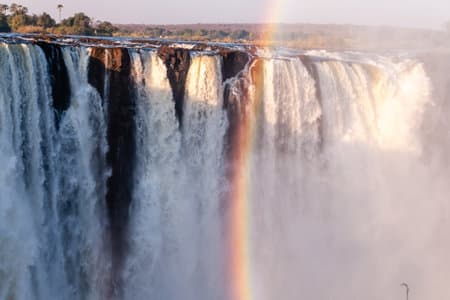
Image via 123RF
Get in touch with us and we'll get back to you as soon as possible.
Here's what sets us apart from the competition
We deliver exceptional experiences at fair, transparent prices, ensuring every journey offers genuine quality, comfort, and unforgettable adventure without unnecessary costs.
Your journey is crafted around your interests, pace, and travel style, giving you a custom-made adventure that feels authentic, meaningful, and entirely your own.
From planning to your final day of travel, our dedicated team is available to guide, assist, and ensure your trip runs smoothly and stress-free.
Find answers to common questions
Contact Zimtrek via the contact form or email with your travel dates, group size, interests, and budget; a consultant will propose options that match your travel style and logistics. They refine the plan through a few rounds of revisions until the itinerary meets your needs.
After finalising the itinerary, Zimtrek issues a detailed quote and booking terms; a deposit is typically required to secure reservations, with the balance due before travel as specified in the contract. Cancellation and amendment policies are provided upfront and may vary by supplier and booking.
Yes; Zimtrek designs itineraries for solo travellers, couples, families, and small groups, adjusting accommodation types, activities, and transport to suit different ages and group dynamics. Recommendations balance convenience, safety, and the desired experience.
Zimtrek coordinates transfers, internal flights, ground transport, local guides, and bookings with a curated network of lodges, camps, and operators to provide seamless logistics. Your consultant will outline transport options and timing in the itinerary and confirm provider details before booking.
Zimtrek specialises in Southern and East Africa, including Zimbabwe, Botswana, Zambia, South Africa, Namibia, Kenya, and Tanzania, and offers safaris, Victoria Falls visits, beach holidays, cultural trips, wildlife photography, and adventure activities. It combines these into multi-destination routes where logistics allow.
In This Article
Adventure Awaits
Cultural Engagement
Beginner's Checklist
The easiest way to approach water-based adventure in Southern Africa is to choose the experience around your comfort level, not the other way around. A first trip is usually best planned by matching the water, season, and activity to your travel style. Someone who wants a short adrenaline burst may prefer white-water rafting below Victoria Falls, while a traveller who wants a slower learning curve might start with a lagoon or bay session for stand-up paddleboarding or kitesurfing tuition. Zimtrek often plans these trips as part of a wider safari or coast journey, so the water day becomes one memorable piece of a bigger itinerary rather than a standalone rush.
In Southern Africa, the best first experience is often the one with the clearest logistics: reliable transfers, a qualified operator, and a setting that suits your skill level.
Before booking, think about three things. First, how much instruction you want. Second, how much physical effort you are comfortable with. Third, whether the setting is better for learning or for spectacle. Cape Town’s Atlantic and False Bay areas are known for wind sports and lessons, while the Zambezi offers a more dynamic river environment. Mozambique’s coast suits travellers who want marine activities with a slower pace and warm-water conditions. These are not interchangeable experiences, so the right choice depends on whether your priority is technique, scenery, or pure adventure.
core decisions shape a beginner-friendly water trip: activity, season, and operator choice.
Start by asking what kind of water movement you want to experience. If you want speed and spray, white-water rafting is the obvious fit. If you want balance and board control, try kitesurfing or paddleboarding. If you want to focus on what is below the surface, diving or snorkelling is the better route. The key is to avoid signing up for the most extreme option simply because it sounds impressive. A well-chosen first outing usually leads to a better second one.
Southern Africa offers a useful range of water sports because the settings are so different. The Zambezi River near Victoria Falls is one of the region’s most famous rafting corridors, with rapids that appeal to travellers who want a full-day river challenge and strong scenery. Cape Town is more specialised: wind and wave conditions make it a favourite for kitesurfing, windsurfing, and cold-water surf-style experiences. Mozambique stands out for diving and snorkelling, especially for travellers who want reef time, marine life, and a beach setting that feels relaxed rather than crowded.
If you are combining safari and water time, Zambia, Zimbabwe, and Botswana work well for river experiences; South Africa and Mozambique are stronger for ocean and coastal sports.
| Activity | Best setting | Best for |
|---|---|---|
| White-water rafting | Zambezi River below Victoria Falls | Adventure travellers who want fast-paced action |
| Kitesurfing | Cape Town and selected coastal lagoons | Beginners with lessons or intermediate riders |
| Diving and snorkelling | Mozambique’s warm-water coast | Marine-focused travellers and mixed-age groups |
Travellers sometimes assume these activities are interchangeable, but the gear, weather windows, and physical demands are very different. For example, rafting is mostly about river briefing, buoyancy, and response to guide commands. Kitesurfing needs patience with wind control and safety systems. Diving asks for comfort in the water and careful attention to certification rules where applicable. That is why the best itineraries are often built around one main water activity and one lighter backup experience.
A good plan begins with timing and routing. If you want rafting near Victoria Falls, it usually makes sense to pair the activity with time on both sides of the falls or with nearby game viewing, so you are not using your whole trip for a single excursion. If you want a coastal break, Cape Town can be paired with the Winelands or the Garden Route, while Mozambique can be combined with beach downtime rather than long road transfers. Zimtrek’s strength is building these combinations so the logistics feel seamless rather than fragmented.
For first-timers, the transfer plan matters as much as the activity itself. A long, tiring transfer before a physically demanding session can spoil the day.
A practical planning sequence is simple. Choose the destination, confirm the seasonal conditions, then select an operator with the right level of instruction and equipment support. Finally, build in recovery time. Water sports are more enjoyable when they are not squeezed between early flights and back-to-back hotel changes. This is especially true for travellers arriving from long-haul routes into Southern Africa, where a low-friction arrival day can set the tone for the entire trip.
As a general guide, white-water rafting is more dependent on river conditions and guide briefing, while coastal sports depend more on wind, tides, and visibility. If your itinerary includes multiple countries, reduce complexity by keeping the water day near a major hub. That is often more reliable than trying to fit a technical activity into a remote route with limited backup support. Zimtrek often recommends planning around one anchor base, then adding short transfers to the activity site.
Safety in water sports starts before you touch the water. The most important habit is to listen closely to the briefing and ask questions until you understand the conditions, the signals, and the exit plan. For rafting, that means knowing how to hold the paddle, what to do if you fall out, and how the rescue protocol works. For kitesurfing, it means understanding release systems and wind limits. For diving, it means checking certification, descent procedures, and surface intervals. The better the briefing, the less guesswork you carry into the activity.
A professional operator should provide fitted equipment, a clear briefing, and staff who can adapt the session if conditions change.
Equipment should be viewed as part of the experience, not an afterthought. Life jackets, helmets, wetsuits, harnesses, fins, and boards all need to fit properly. Ill-fitting gear can make a beginner nervous and can also reduce control. If you are travelling with children, ask in advance about age limits, weight limits, and the availability of child-sized gear. For mixed-ability groups, it helps to choose a provider that offers a gentler option for some people and a more active route for others, so nobody is forced into a level that feels wrong.
| Activity | Core gear | What to check |
|---|---|---|
| Rafting | Helmet, life jacket, paddle | Fit, flotation rating, and guide briefing |
| Kitesurfing | Harness, kite, board, safety leash | Release system, lesson structure, wind limits |
| Diving | Mask, fins, regulator, buoyancy device | Service records, certification match, and comfort fit |
The most common beginner error is choosing the most dramatic activity before checking the conditions or the instruction level. A second mistake is underestimating fatigue. Water sports can feel short on paper, but a half-day on the river or in the wind can be physically demanding, especially after travel. A third mistake is ignoring local timing. Tides, wind shifts, and river conditions can change the feel of a session dramatically, so an activity that looked easy online may be more technical on the day.
Another frequent issue is packing too casually. Travellers often bring swimwear but forget sun protection, a rash vest, dry clothes, or motion-sickness tablets where appropriate. In Southern Africa, strong sun, reflected light, and wind can combine to make the environment harsher than expected. It is also unwise to treat every water operator as identical. Choose the provider with the clearest safety process, not the one with the flashiest marketing. That usually means asking how many guests are on a session, what backup equipment is carried, and whether the guides are local to the area.
If an operator is vague about weather limits or gear standards, treat that as a warning sign and keep looking.
For travellers planning a broader Southern Africa journey, the smartest approach is to let the water experience support the rest of the itinerary. A rafting day near Victoria Falls can add energy to a Zimbabwe circuit; a kitesurfing lesson can balance a city break in Cape Town; a diving day in Mozambique can slow the pace after a safari-focused route. That mix of adventure and recovery is often what makes the trip memorable.
Get in touch with us and we'll get back to you as soon as possible.
Here's what sets us apart
We deliver exceptional experiences at fair, transparent prices, ensuring every journey offers genuine quality, comfort, and unforgettable adventure without unnecessary costs.
Your journey is crafted around your interests, pace, and travel style, giving you a custom-made adventure that feels authentic, meaningful, and entirely your own.
From planning to your final day of travel, our dedicated team is available to guide, assist, and ensure your trip runs smoothly and stress-free.
Don't just take our word for it
Keep reading