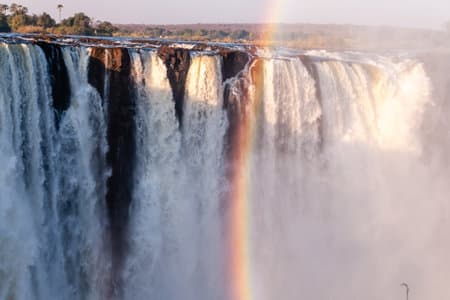
Personalize your journey through Africa with expert tips and step-by-step guidance.

Image via 123RF
Get in touch with us and we'll get back to you as soon as possible.
Here's what sets us apart from the competition
We deliver exceptional experiences at fair, transparent prices, ensuring every journey offers genuine quality, comfort, and unforgettable adventure without unnecessary costs.
Your journey is crafted around your interests, pace, and travel style, giving you a custom-made adventure that feels authentic, meaningful, and entirely your own.
From planning to your final day of travel, our dedicated team is available to guide, assist, and ensure your trip runs smoothly and stress-free.
Find answers to common questions
Contact Zimtrek via the contact form or email with your travel dates, group size, interests, and budget; a consultant will propose options that match your travel style and logistics. They refine the plan through a few rounds of revisions until the itinerary meets your needs.
After finalising the itinerary, Zimtrek issues a detailed quote and booking terms; a deposit is typically required to secure reservations, with the balance due before travel as specified in the contract. Cancellation and amendment policies are provided upfront and may vary by supplier and booking.
Yes; Zimtrek designs itineraries for solo travellers, couples, families, and small groups, adjusting accommodation types, activities, and transport to suit different ages and group dynamics. Recommendations balance convenience, safety, and the desired experience.
Zimtrek coordinates transfers, internal flights, ground transport, local guides, and bookings with a curated network of lodges, camps, and operators to provide seamless logistics. Your consultant will outline transport options and timing in the itinerary and confirm provider details before booking.
Zimtrek specialises in Southern and East Africa, including Zimbabwe, Botswana, Zambia, South Africa, Namibia, Kenya, and Tanzania, and offers safaris, Victoria Falls visits, beach holidays, cultural trips, wildlife photography, and adventure activities. It combines these into multi-destination routes where logistics allow.
In This Article
Personalized Itineraries
Step-by-Step Guide
Common Planning Mistakes
The easiest African journeys to enjoy are rarely the most complicated ones. A strong itinerary starts with three decisions: how much time you actually have, what pace you want, and whether your trip is shaped around wildlife, scenery, culture, or a mix of all three. For travellers planning Southern Africa, that usually means deciding whether the trip should centre on one country, such as Zimbabwe or Botswana, or combine two nearby destinations with simple road or air transfers. Zimtrek’s approach is built around that kind of practical planning, because a well-matched route is more valuable than squeezing in too many stops.
A good itinerary should reduce moving days, not increase them. In Southern Africa, each transfer has time and cost implications, especially when you move between safari regions and cities.
decisions to make before booking anything: pace, focus, and route shape
Before you choose lodges or flights, build your trip around the kind of days you want on the ground. A couple celebrating a milestone may prefer a slower itinerary with fewer stops and more scenic lodges. A family with children may need shorter game drives, a pool, and easier transfer times. A photographer may want longer stays in one reserve to work with changing light. Those differences matter more than chasing a long list of destinations.
The most useful itineraries are purpose-led. Ask what the trip must deliver, not just where it should go. If wildlife is the priority, you may want to spend more nights in one safari area instead of dividing the trip across too many places. If your main goal is relaxation, a beach finish or a lodge with private plunge pools may matter more than a packed sightseeing schedule. If you want a first Africa trip, choosing a route that combines one major highlight with one safari region often creates a more comfortable introduction.
| Traveller goal | Best planning focus | What to avoid |
|---|---|---|
| Safari-first trip | Longer stays in one or two wildlife areas | Too many short transfers |
| Family holiday | Easy logistics, family rooms, shorter drives | Back-to-back long travel days |
| Mixed experience trip | One standout highlight plus one safari region | Overloading the itinerary with stops |
One practical way to narrow the plan is to rank your priorities in order. For example: wildlife, comfort, budget, beach time, photography, or cultural experiences. When a route is built, the top priority should drive most of the choices. That may mean selecting a camp with excellent guiding over a lodge with more facilities, or choosing a simpler route with better game-viewing access instead of a more complicated multi-country loop.
Destination choice becomes easier when you group places by function. Some stops are best as anchors for wildlife viewing, such as major safari areas in Botswana, Zimbabwe, Zambia, Namibia, or South Africa. Others work as add-ons, such as a city stop, a scenic viewpoint, or a beach extension. That structure helps you avoid the common mistake of treating every stop as equally important. A trip that includes Victoria Falls, Hwange, and the Okavango region needs a different pace than a short break in Cape Town paired with a nearby safari reserve.
Do not build a route only from famous names. The right destinations are the ones that fit together logically in travel time, season, and your preferred style of safari.
For Southern Africa, it often helps to think in route pairs. Victoria Falls and Chobe work well because they combine a major natural landmark with strong wildlife viewing. Botswana pairs naturally with Namibia for travellers who want landscapes and low-density safari experiences. South Africa can suit a first-time trip when you want a mix of city, coast, and reserve time. Zimtrek’s popular destinations page is useful when you want to see how these building blocks fit into a broader travel plan.
Once the route is clear, the real quality of the itinerary comes from how the accommodation and activities are matched to the trip’s purpose. In Southern Africa, two lodges in the same region can create very different experiences. One may be ideal for families because of larger rooms and flexible mealtimes; another may suit photographers or honeymooners because of private decks, quieter settings, and strong guiding. Activity choice should be equally deliberate. A great itinerary is not a long list of things to do, but a sequence that works well together day by day.
Start by checking whether the lodging style supports the trip’s pace. Fly-in safari camps usually work well for travellers who want to spend more time on game drives and less time on the road. Road-based itineraries can suit travellers who enjoy scenery and want more control over their budget. City hotels, safari lodges, and beach properties each play a different role, so the best itinerary uses them intentionally. For example, a Zimbabwe journey might combine Victoria Falls for activities, Hwange for safari, and a final night in a convenient airport hotel before departure.
| Accommodation choice | Best for | Planning note |
|---|---|---|
| Luxury safari lodge | Couples, honeymoons, special occasions | Check inclusions such as meals, drinks, and drives |
| Family-friendly lodge | Families and small groups | Confirm room layouts and child policies |
| Comfort hotel | Short city stays and stopovers | Use it to simplify transfers and arrival days |
Activity planning works best when it respects geography and recovery time. If you are arriving on a long-haul flight, avoid filling the first afternoon with a demanding schedule. If you are in a region known for predator viewing or river safaris, give yourself at least two nights so that changing conditions do not define the whole trip. Zimtrek’s planning pages, including About Zimtrek and Contact & Planning, are helpful if you want a route shaped by local logistics rather than generic package templates.
The most common planning mistake is overpacking the trip. Travellers often underestimate how tiring transfers can be, especially when a safari morning is followed by a road transfer, a border crossing, or a connecting flight. Another mistake is ignoring seasonality. Some regions are better for river-based scenery at certain times of year, while others are better for dry-season wildlife concentration. A third mistake is comparing lodges only on price. In safari travel, value depends on the full package: location, guiding quality, meal structure, transfers, and how much time you actually spend in the field.
A two-night stay is often the minimum that lets a safari area feel worth the transfer. Three nights is usually stronger if the destination is a major part of the journey.
Another frequent issue is booking activities in isolation. A boat cruise, scenic flight, and game drive can each be excellent, but they should be sequenced to avoid fatigue and overlap. The best itineraries leave room for unplanned moments too, such as a longer sighting, a relaxed breakfast, or a quiet afternoon after travel. That breathing space is what makes a trip feel polished rather than rushed.
Before confirming anything, make sure the plan answers these practical questions: Does the route fit the number of nights available? Are transfer times realistic? Are the lodges suited to your travel style? Does the sequence of stops make sense seasonally? Have you left enough room for rest? If you can answer yes to those questions, you are close to a strong itinerary.
For a practical planning reference, Zimtrek also curates route ideas and destination combinations on its website. If you are comparing different styles of African journeys, it helps to read advice from both a specialist operator and a broader planning source such as How to Plan Your Dream African Vacation or The Ultimate Guide to African Travel, then compare that guidance with a route built around your own dates, budget, and interests.
Get in touch with us and we'll get back to you as soon as possible.
Here's what sets us apart
We deliver exceptional experiences at fair, transparent prices, ensuring every journey offers genuine quality, comfort, and unforgettable adventure without unnecessary costs.
Your journey is crafted around your interests, pace, and travel style, giving you a custom-made adventure that feels authentic, meaningful, and entirely your own.
From planning to your final day of travel, our dedicated team is available to guide, assist, and ensure your trip runs smoothly and stress-free.
Don't just take our word for it
Keep reading