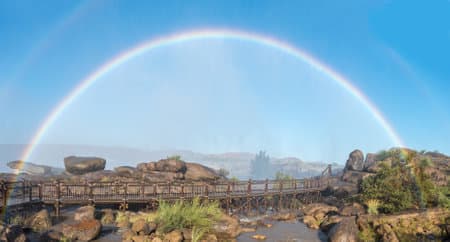
Understand seasonal wildlife patterns and plan your perfect safari adventure.
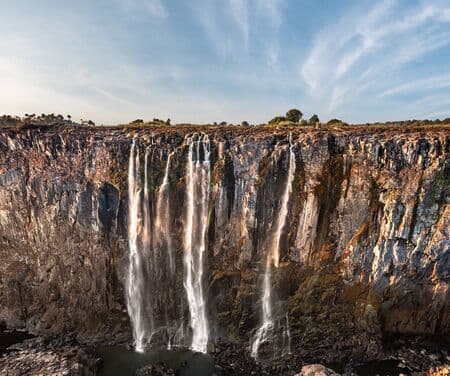
Image via 123RF
Get in touch with us and we'll get back to you as soon as possible.
Here's what sets us apart from the competition
We deliver exceptional experiences at fair, transparent prices, ensuring every journey offers genuine quality, comfort, and unforgettable adventure without unnecessary costs.
Your journey is crafted around your interests, pace, and travel style, giving you a custom-made adventure that feels authentic, meaningful, and entirely your own.
From planning to your final day of travel, our dedicated team is available to guide, assist, and ensure your trip runs smoothly and stress-free.
Find answers to common questions
The falls are often most dramatic in the months following the rainy season, approximately February to May, when river levels are high, though flow varies year to year and sections of the falls can be affected by seasonal changes.
The dry season (typically May to October) usually offers the best wildlife viewing as animals concentrate around water sources and vegetation is sparser, improving visibility; specific peak months vary by country and ecosystem.
Birdwatching is excellent during the rainy and post-rainy seasons (roughly October to April) when migrant and breeding species are present and many birds are displaying; timing can vary by species and region.
Consider shoulder seasons (just before or after peak dry season) for fewer visitors while still good wildlife viewing and pleasant weather; tailor timing to your target country and activities, as peak periods differ between national parks and coastal areas.
June to October and late December to February are commonly preferred for beach holidays due to drier, sunnier conditions and calmer seas, while the long rains (March-May) and short rains (October-December) may bring heavier showers.
In This Article
Wildlife Migration Insights
Weather Patterns Explained
Tailored Safari Experiences
The best month for an African safari depends less on a single “ideal” date and more on what you want the trip to feel like. A safari in the dry season can be about concentrated wildlife around rivers and waterholes, crisp mornings, and easier game viewing. A safari after the first rains may be about greener landscapes, active birdlife, and lower pressure on popular camps. In Southern Africa, where Zimtrek Travel focuses its planning, the calendar is shaped by rainfall, temperature, river levels, and school-holiday demand as much as by wildlife movement. That means the most suitable month for one traveller may be a poor fit for another.
A useful planning rule: if you want easier wildlife concentration, lean toward the dry months; if you want greener scenery and fewer crowds, look at the shoulder periods just before or after the main season.
For travellers comparing Zimbabwe, Botswana, Namibia, South Africa, Zambia, and nearby safari circuits, the calendar also changes by destination. Chobe’s riverfront differs from Hwange’s teak woodland, and the Okavango Delta’s flood cycle is not the same as Kruger’s summer rainfall pattern. This is why a single “best month” headline can be misleading. The better question is: which month gives you the right balance of sightings, comfort, access, and price for the trip you actually want?
| Period | Typical Conditions | Best For |
|---|---|---|
| May to June | Cooling temperatures, dryening vegetation, improving visibility | First-time safari travellers, photographers, mixed lodge-and-road itineraries |
| July to September | Peak dry season, strongest wildlife concentration, high demand | Classic game viewing, family trips, high-confidence safari planning |
| October to November | Hotter, drier, dramatic wildlife activity near water | Experienced safari travellers, photographers, value-seekers |
The shape of the year matters even if you are planning a short escape. A four-night safari in September usually feels very different from the same itinerary in February. In September, grass can be short and sightings more predictable around limited water sources. In February, you may see richer landscapes, more young animals in some regions, and a stronger sense of renewal, but animals can be more dispersed. Understanding that trade-off is the real starting point for choosing your safari month.
Wildlife movement is the main reason safari timing matters. In Southern Africa, herbivores and predators respond to water availability, forage quality, and temperature. During drier months, many species spend more time near rivers, pans, and permanent waterholes, which can make sightings easier to plan around. This is one reason destinations such as Chobe, Hwange, and parts of the Kalahari-style landscapes can be especially rewarding later in the dry season. By contrast, after rains, wildlife may spread across wider areas because fresh grazing and surface water become more available.
If your priority is efficient game viewing in a limited time window, months with concentrated water sources usually offer the strongest safari rhythm.
The famous Great Migration is often discussed as a single event, but in practice it is a moving cycle that shifts across months and regions. The timing of river crossings, calving areas, and grazing movements changes from year to year with rainfall patterns. That is why travellers who want to follow large-scale wildlife movement need flexible planning rather than a fixed date. For Southern Africa specifically, the appeal often lies less in a single migration and more in reliable year-round ecosystems where different species become more or less visible depending on the month.
| Month Range | Wildlife Pattern | Practical Viewing Note |
|---|---|---|
| May to June | Animals begin concentrating as grasses thin | Good balance of scenery and sightings, with less pressure than peak months |
| July to September | Highest concentration near permanent water | Best for classic predator-prey viewing and longer game drives |
| October to November | Dry conditions can intensify activity at water points | Excellent for dramatic photography, though heat rises quickly |
| December to March | More dispersed animals, newborns in some areas, stronger birding | Better for green-season travellers and lower lodge pressure |
Birdwatchers often prefer a different window from big-game enthusiasts. Summer rainfall can bring migrants, nesting activity, and richer acoustic life in the bush. That makes months from November through March especially appealing for travellers who want a broader ecological experience rather than only predator sightings. Families travelling with children may also appreciate the more comfortable pace of shoulder-season travel, when the landscape is softer, the atmosphere less intense, and itineraries can include both wildlife and scenic stops without the feeling of chasing one “must-see” moment.
Weather is not just about comfort; it changes how a safari actually works. In the dry winter months across much of Southern Africa, mornings can be cold enough for layered clothing, but midday conditions are usually pleasant. Roads are generally easier, and tall grass is less likely to block views. In the summer rainfall season, afternoons can become hot and stormy, especially in inland areas, which affects drive timing and sometimes the range of activities available. The upside is that the bush often looks greener, dust levels are lower, and lodges can feel quieter outside holiday peaks.
Do not plan only for daytime temperatures. Safari vehicles can feel much colder at dawn in winter and much hotter in late afternoon during the late dry season.
For Zimbabwe and neighbouring regions, rainfall usually influences when destinations are easiest to combine. A route that includes Victoria Falls, Hwange, and Chobe may work differently in January than in August because road conditions, activity timings, and water-based experiences all shift. In the dry season, some lodges and operators can structure fuller days around game drives and boat trips. In the wetter months, flexibility is important so that travel days do not feel rushed if showers move through in the afternoon.
| Season | Weather Character | Safari Impact |
|---|---|---|
| Dry winter | Cool mornings, low rainfall, clearer air | Better visibility and easier wildlife tracking |
| Late dry season | Very warm afternoons, limited water | High wildlife concentration but more heat stress |
| Green season | Warm days, periodic showers, lush vegetation | More scenic and often better value, but sightings can be less concentrated |
If you are sensitive to heat, the late dry season may be less comfortable than the peak sightings suggest. If you prefer soft light, fewer dust plumes, and dramatic cloud formations, the green season can be more rewarding. Zimtrek often weighs these factors with travellers when building custom itineraries, because the month you choose should match your tolerance for early starts, longer drives, and weather variation rather than just a generic “best time” label.
The most suitable safari month changes with travel style. A couple seeking a relaxed lodge stay may value scenery, private vehicle time, and good dining as much as raw wildlife density. A family with school-age children may want predictable conditions, shorter transfers, and easier pacing. A dedicated photographer may prefer the contrast and dust of the late dry season, while a traveller on a tighter budget may get more value in shoulder months when rates are often more competitive and camps are less full.
The “best” month is often the one that matches your safari style, not the one with the most famous reputation.
For a first safari, May, June, or July is often a strong fit because conditions are relatively manageable and game-viewing patterns are easy to understand. For a photography-focused trip, August through October can be appealing because wildlife is more concentrated and the light is often sharp in the early morning and late afternoon. For travellers who want a quieter, greener experience and may not mind the possibility of rain, November or February can feel more relaxed and distinctive. The key is to decide whether you are optimising for wildlife density, comfort, scenery, or overall value.
Seasonal wildlife is only part of the decision. Major events, public holidays, and regional travel peaks can affect lodge availability, guide access, and how early you need to book. In Southern Africa, school holidays and long weekends often raise demand at lodges close to major gateways such as Victoria Falls, the Okavango-connected routes, and big-game areas in Botswana, Zimbabwe, and South Africa. If your preferred month overlaps with a holiday period, the difference between booking early and waiting can be significant, particularly for family rooms and river-facing camps.
Travellers who want to combine a safari with an event should think about whether the event adds value or simply adds crowds. A route built around a national celebration or peak holiday can feel lively, but it may also increase transfer times and compress availability. For example, a September safari that aligns with a popular travel week may still offer excellent game viewing, but you may need to settle lodge choices earlier and accept less flexibility on vehicle allocation. If you want the calmest planning experience, choose a month with strong wildlife prospects and lower demand rather than chasing the busiest calendar date.
| Timing Factor | What It Changes | Planning Response |
|---|---|---|
| School holidays | Higher room demand and fewer flexible options | Reserve earlier and consider alternative lodge categories |
| Holiday weekends | Busy transfers and short-notice shortages | Build buffer time into road and flight connections |
| Migration-linked travel windows | High interest in specific corridors and camps | Book well ahead and stay flexible on exact camp names |
For travellers following the Great Migration or other large wildlife movements, timing can be especially sensitive. These journeys are often planned around a seasonal window rather than a fixed location. The practical lesson is that a successful migration-style safari depends on matching your month to the wildlife pattern you want, then allowing room for variability. Weather, grazing, and water can shift the action enough that narrow date choices may reduce your chances of being in the right place at the right time.
One of the biggest advantages of planning around the right month is that it allows you to combine safari with other experiences without overloading the itinerary. In Southern Africa, this might mean pairing wildlife with Victoria Falls, a Zambezi river cruise, a beach stay in Mozambique through a longer multi-country trip, or a city stop in Cape Town or Johannesburg before heading into the bush. The month you choose can influence whether those add-ons feel seamless or mismatched. A wet-season safari can pair beautifully with waterfall viewing, while a dry-season itinerary may be more suited to long game drives and relaxed lodge time.
Many travellers underestimate how different safari pacing is from other holiday styles. Wildlife days begin early, often after a pre-dawn wake-up, and the best action can happen before breakfast. That means a month with milder temperatures may make multi-activity itineraries feel more enjoyable. If you want to include walking, boating, scenic lookouts, and cultural visits, shoulder-season months can be especially practical because they allow you to shift between activities without the intense heat of late dry season or the heavier showers of peak rains.
Travelers who want a broader trip should think in sequences: safari first for energy and focus, then scenic or relaxation days to finish.
This sequencing matters in budget and comfort terms too. A wildlife-first month can help you structure the trip around lodge-based stays with fewer moving parts. A green-season month may let you stretch your budget further and use the savings to add another destination or upgrade a special night at a well-located camp. Zimtrek often uses this approach when designing custom itineraries: selecting the month that makes the rest of the journey easier rather than choosing a date in isolation.
Booking a safari is easier when the month is chosen first and the rest of the itinerary is built around it. Start with the experiences that matter most to you: concentrated wildlife, fewer crowds, photography, family comfort, or better value. Then decide how many nights you want in each area. A short safari usually works best in months with the clearest wildlife concentration, because every day counts. A longer safari can absorb seasonal variation more easily and may work well in the green season if you enjoy a slower pace.
It also helps to think about lodge style and vehicle access. In drier months, camps near permanent water tend to book early because they are especially attractive to game-viewing travellers. In wetter months, some remote roads may require more careful routing, so your planner should balance scenic ambition with realistic transfer times. If you are travelling as a family or with mixed ages, prioritize months that reduce logistical friction: reasonable temperatures, limited long road sections, and accommodation that can handle your preferred rooming setup.
A practical booking mistake is waiting for “the best month” to become obvious. By then, the best lodges and flight times may already be limited.
For a realistic planning timeline, travellers interested in peak dry-season months should usually start enquiries many months ahead, especially for lodge combinations in Botswana, Zimbabwe, and Zambia. Shoulder and green-season trips can sometimes be assembled more flexibly, but custom planning still matters because route choice, drive times, and transfer logic change from month to month. Zimtrek’s approach is to match the month to your style first, then build the route around it rather than forcing a destination sequence into a calendar that does not suit it.
There is no single month that is best for every African safari. The strongest choice depends on whether you value wildlife concentration, comfortable weather, greener scenery, lower pressure, or the chance to combine safari with other experiences. For many travellers, the dry months from May to September offer the clearest game-viewing conditions. For others, the months around the rains provide a more atmospheric, quieter, and often better-value experience. The right answer is the month that supports the kind of safari memory you actually want to create.
If you are planning a Southern Africa trip and want help matching season to destination, Zimtrek can help you compare routes across Zimbabwe, Botswana, Zambia, South Africa, Namibia, and the wider region using practical lodge and transfer knowledge. For a travel plan shaped around your pace, interests, and budget, visit the popular destinations page or learn more about how Zimtrek plans tailor-made journeys.
Get in touch with us and we'll get back to you as soon as possible.
Here's what sets us apart
We deliver exceptional experiences at fair, transparent prices, ensuring every journey offers genuine quality, comfort, and unforgettable adventure without unnecessary costs.
Your journey is crafted around your interests, pace, and travel style, giving you a custom-made adventure that feels authentic, meaningful, and entirely your own.
From planning to your final day of travel, our dedicated team is available to guide, assist, and ensure your trip runs smoothly and stress-free.
Don't just take our word for it
Keep reading