Discover the ideal months for wildlife viewing, weather conditions, and unique experiences on safari.
Get in touch with us and we'll get back to you as soon as possible.
Here's what sets us apart from the competition
We deliver exceptional experiences at fair, transparent prices, ensuring every journey offers genuine quality, comfort, and unforgettable adventure without unnecessary costs.
Your journey is crafted around your interests, pace, and travel style, giving you a custom-made adventure that feels authentic, meaningful, and entirely your own.
From planning to your final day of travel, our dedicated team is available to guide, assist, and ensure your trip runs smoothly and stress-free.
Find answers to common questions
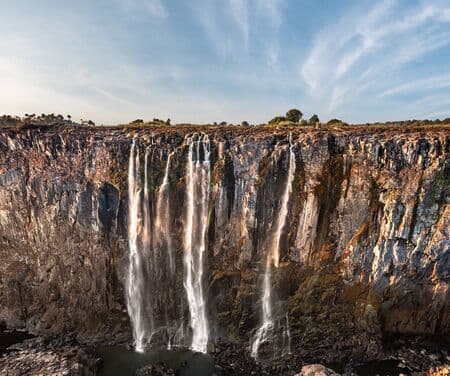
The falls are often most dramatic in the months following the rainy season, approximately February to May, when river levels are high, though flow varies year to year and sections of the falls can be affected by seasonal changes.
The dry season (typically May to October) usually offers the best wildlife viewing as animals concentrate around water sources and vegetation is sparser, improving visibility; specific peak months vary by country and ecosystem.
Birdwatching is excellent during the rainy and post-rainy seasons (roughly October to April) when migrant and breeding species are present and many birds are displaying; timing can vary by species and region.
Consider shoulder seasons (just before or after peak dry season) for fewer visitors while still good wildlife viewing and pleasant weather; tailor timing to your target country and activities, as peak periods differ between national parks and coastal areas.
June to October and late December to February are commonly preferred for beach holidays due to drier, sunnier conditions and calmer seas, while the long rains (March-May) and short rains (October-December) may bring heavier showers.
In This Article
Seasonal Highlights
Tailor Your Experience
Expert Travel Tips
Choosing the best month to go on an African safari is less about finding one universally ideal date and more about matching your trip to the conditions that matter most to you. In Southern Africa, the safari year is usually shaped by two broad patterns: the dry season, when vegetation thins and animals concentrate around permanent water, and the greener season, when landscapes are lush, birdlife is abundant, and many camps feel more spacious and photogenic. For travellers planning through Zimtrek Travel, this distinction matters because the right month can change not just the sightings you are likely to have, but also the cost, routing, and style of trip that makes sense.
In practical terms, the dry months in Botswana, Zimbabwe, Zambia, Namibia, and parts of South Africa tend to offer the strongest game-viewing conditions in classic wildlife areas. That is because bush cover is lower and animals often gather along rivers, floodplains, and pans. The green season, usually after the first rains, can bring dramatic skies, lower lodge occupancy, and excellent birding, but it also means some remote areas become harder to reach and wildlife dispersal is wider. For many Zimtrek clients, this is where local routing expertise becomes valuable: the same month can suit the Okavango Delta very differently from Hwange, Chobe, or the Greater Kruger region.
The best month depends on your priorities: concentrated wildlife viewing, green landscapes, fewer people, lower rates, or combining safari with Victoria Falls, Cape Town, or a beach extension.
| Season | Typical months in Southern Africa | What it means for safari planning |
|---|---|---|
| Dry season | May to October | Clearer viewing, stronger predator sightings near water, higher demand for top lodges. |
| Early green season | November to December | First rains, fresh scenery, good value, and good birding with more variable wildlife dispersal. |
| Green season | January to April | Lush landscapes, fewer vehicles in some areas, excellent photography after rain, but some roads can be challenging. |
Zimtrek’s planning approach is to start with your preferred destination and then work backwards to the most suitable month. For example, a month that is excellent for a Botswana safari may not be the best choice if you want to pair it with a river-based Zimbabwe itinerary or a walking-focused Zambia experience. That is why timing is not just a climate question; it is a routing question, a logistics question, and a budget question as well.
If your priority is seeing wildlife clearly and spending more time in classic game-viewing conditions, the strongest months are usually from June to October across much of Southern Africa. These months sit within the dry season, when animals are easier to locate because water is scarce and vegetation is less dense. July, August, and September are often especially reliable for travellers who want long, comfortable days in the field with high chances of repeated sightings around rivers and waterholes. In places such as Hwange, Chobe, and parts of Kruger, this can be the period when daily game drives feel most productive because animals are more concentrated and movements are more predictable.
That said, there is a useful nuance here that many generic travel guides miss: the single best month depends on the kind of wildlife experience you want. June and July can offer cooler mornings and excellent visibility, which many photographers appreciate for sharp images and fewer heat haze issues. August and September often bring stronger concentrations around remaining water sources, but they can also be busier and warmer by midday. October can still be superb for game viewing, but heat builds quickly in many low-lying areas, so travellers who are sensitive to high temperatures may prefer an earlier dry-season month instead.
| Month | Wildlife value | Best suited for |
|---|---|---|
| June | Very good visibility and cooler temperatures | First-time safari travellers and photographers |
| July | Strong all-round viewing in many parks | Classic game-drive itineraries |
| August | High chances of concentrated animal movement | Travelers focused on dependable sightings |
| September | Excellent viewing, though hotter in some regions | Experienced safari-goers and wildlife photographers |
| October | Still very good, especially near water | Travellers who do not mind warmth |
Do not choose a month only because it is popular. A short itinerary in a high-demand month can be less rewarding than a well-routed trip in a quieter shoulder period.
Weather influences safari comfort in ways that go beyond rain or sunshine. In the dry months, mornings can be crisp, especially in higher or more open areas, so early game drives may require a warm layer even when afternoons become hot. In the wet season, temperatures are often more moderate and the bush becomes greener, but humidity, sudden showers, and softer road conditions can affect how far and how quickly you travel each day. For travellers on a fly-in safari, this may be a minor issue; for road-based itineraries, it can shape how many parks you can realistically combine.
In Zimbabwe and neighbouring safari regions, the practical impact of weather also changes the feel of the trip. For instance, a month with limited rainfall may be excellent for tracking animals across open ground in Hwange, while a greener month in the Okavango can create exceptional scenic variety and water-based activity options. In South Africa, the dry winter months are often very reliable for general safari travel, whereas the summer rainy season can reward travellers with dramatic skies and lush vegetation. This makes “best month” highly dependent on whether you value easy visibility or atmospheric scenery.
A good safari month is the one that fits your comfort level, your route, and the style of wildlife experience you want, not just the one with the lowest rainfall.
One of the most interesting ways to think about safari timing is by the special experiences each period can unlock. Some months are especially strong for birding as migrant species arrive and breeding activity increases. Others suit photographic trips because of the quality of light, the contrast in the landscape, or the dramatic way animals use shrinking water sources. In the shoulder months, you may also find lower occupancy at selected camps, which can make the overall atmosphere feel calmer and more personal.
For example, a traveller planning around wildlife photography may prefer months with low dust in the early dry season or the rich, saturated tones of the green season after rain. A family with school-age children may lean toward a month with simpler logistics and fewer long transfers. A couple seeking a quieter experience might choose a shoulder period where excellent sightings are still possible but camp availability is better. Zimtrek often uses these distinctions to match the month with the traveller’s pace, rather than forcing everyone into the same seasonal formula.
| Month or period | Signature experience | Why it stands out |
|---|---|---|
| May to June | Transition into dry-season viewing | Fresh after the rains, with improving visibility and comfortable temperatures. |
| July to August | Classic safari rhythm | Reliable daily game viewing in many parks and lodges. |
| September to October | Peak concentration near water | Strong animal movement, especially where permanent water remains. |
| November to December | First rains and greener scenery | Photogenic landscapes, birds, and lower demand in some destinations. |
| January to April | Lush, quieter, more atmospheric travel | Best for travellers who value scenery, space, and value over peak-dry visibility. |
The safari type you choose should follow the month, because different styles of travel perform differently across the year. A mobile or road-based itinerary works best when roads are dependable and wildlife is concentrated, especially in the dry season. A fly-in safari can open up more remote areas even in months when road access is less straightforward. A river safari, such as those centered on the Chobe or Zambezi systems, can be especially rewarding when water is a defining feature of the landscape. For travellers who want to mix safari with relaxation, the best month may be the one that offers a smooth connection to Victoria Falls, a lodge with a strong spa or pool setup, or a later beach extension in Mozambique or Zanzibar-adjacent planning is outside this article's focus and therefore excluded.
From a Zimtrek perspective, the most successful itineraries usually start with three questions: do you want the clearest wildlife viewing, the best scenery, or the best value? How much time do you have for transfers? And do you want to stay in one area or combine several regions? A six-night safari in July can be very different from a six-night safari in March, even if both use the same lodge standard. That is why month selection should be treated as part of the itinerary design itself, not as an afterthought.
If you are undecided, start by choosing your safari style first: game drive, water-based, fly-in, or mixed-country. Then narrow the month based on climate and animal movement.
Zimtrek Travel specialises in custom safari planning across Southern Africa, so the most useful advice is to match season, destination, and transport in one conversation. That is how you avoid a trip that looks good on paper but feels rushed or mismatched in practice. The ideal month is usually the one that gives your chosen safari style the best chance to work smoothly from start to finish.
Once you have narrowed down the month, the next step is to plan around how the season affects movement, accommodation, and logistics. In Southern Africa, the dry season generally sells earlier because experienced travellers and return visitors know those months are in demand. If you are aiming for July through October, start planning well in advance, especially for small camps or popular lodge combinations. A good itinerary is not only about securing rooms; it is about aligning flights, road transfers, and daily drive times so you do not lose useful wildlife hours to avoidable transit.
A second practical point is to budget for the way season changes the value of your trip. High-demand months often justify higher rates because the viewing conditions are stronger and the trip is easier to route. Shoulder and green-season months can offer excellent value, but the savings are most meaningful when they are paired with the right destination selection. Zimtrek’s planning model is especially useful here because the company works with curated lodge and ground partners across Zimbabwe, Botswana, Zambia, South Africa, Namibia, Kenya, and Tanzania, allowing the itinerary to be built around actual seasonal strengths rather than generic assumptions. For Southern Africa safari travel, that means a month can be selected to suit a Chobe riverfront stay, a Hwange game-drive circuit, or a Victoria Falls pairing without forcing the same date onto every destination.
A well-designed itinerary often saves value not by cutting comfort, but by reducing unnecessary transfers and choosing the season that fits the destination best.
Different traveller profiles fit different months. If you are a first-time safari traveller and want straightforward, high-confidence game viewing, the middle of the dry season is usually the safest starting point, particularly June to September. If you are a photographer or repeat visitor and value mood, colour, and fewer vehicles, the green season can be more rewarding than many people expect. If you are travelling with older children or several generations, a shoulder month may make the journey more comfortable because temperatures are milder and some properties are less crowded, even if a bit of flexibility is needed around weather.
For travellers who are very price-sensitive but still want a polished safari experience, late November, January, February, and March can work well when paired with lodges that remain strong value in the off-peak period. The trade-off is that you should be comfortable with rain showers, changing road conditions, and wildlife that may be more dispersed. That is a worthwhile exchange for some guests, especially those who would rather enjoy a quieter camp atmosphere and vibrant scenery than focus only on concentration around waterholes.
| Traveller profile | Best timing approach | Why it fits |
|---|---|---|
| First-time safari traveller | June to September | Clear conditions, easier wildlife spotting, and widely proven routes. |
| Photographer or repeat visitor | Late rains or shoulder season | More atmospheric landscapes and a different visual feel from peak dry months. |
| Family group | May, June, or late August | Balanced temperatures and easier logistics in many destinations. |
Families and small groups need to think about safari timing differently from solo travellers. School calendars, shared budgets, and differing energy levels often matter as much as wildlife movement. In many cases, the best month is the one that keeps travel days manageable and gives everyone enough comfort to enjoy the trip without feeling rushed. For families, dry-season months often provide the simplest conditions because roads are easier, visibility is better, and game drives are less likely to be disrupted by heavy rain. That does not automatically mean the green season should be excluded, but it does mean the trip should be designed with realistic drive times and age-appropriate activities.
Small groups often benefit from shoulder-season travel because it can strike a balance between value and experience. There may be more room in preferred lodges, easier access to private guides, and more flexibility with room configurations. This is especially useful if your group includes a mix of wildlife enthusiasts and travellers who are there partly for relaxation. Zimtrek often recommends that groups think about their “must-have” day rather than only their “must-go” month. If a family wants one major safari destination plus one scenic stop, the route can be simplified around the season that supports both.
If children are travelling, avoid building a trip around overly long cross-border transfers just because a month looks good on paper. Comfort and pace matter more than squeezing in extra destinations.
Seasonal pricing in safari travel is normal, and understanding it helps you plan more intelligently. Peak months, especially July through October in many Southern African destinations, usually command stronger rates because demand is high and the wildlife conditions are at their most dependable. Off-peak and shoulder months can be more competitive, though the right comparison is not just the lodge rate; it is the full trip value. A slightly higher daily rate in a well-located camp may still be better value than a discount property that requires extra transfers or does not suit the season.
For budgeting purposes, think in terms of the whole itinerary. A fly-in safari may cost more upfront but save time and preserve more game-viewing hours. A road itinerary may be easier on the budget but should be matched to a month when roads are practical. In a Zimbabwe context, this can be important when combining Victoria Falls with Hwange or Mana Pools; the route, lodge standard, and season must all work together. Zimtrek typically helps travellers compare not only price but also the hidden costs of mismatched timing, such as unnecessary overnight stops, higher transfer complexity, or a weaker overall wildlife experience.
| Season | Likely cost pattern | Planning implication |
|---|---|---|
| Peak dry season | Higher rates and earlier sellouts | Book earlier and prioritise the strongest locations. |
| Shoulder season | Moderate pricing and better flexibility | Good balance of value and wildlife conditions. |
| Green season | Competitive value in many areas | Best for travellers comfortable with some weather variability. |
One advantage of planning the right safari month is that it can make a multi-stop Southern Africa trip much more effective. Victoria Falls pairs well with several safari regions throughout the year, but the best month depends on whether you want the Falls at high water, easier visibility, or a strong wildlife combination nearby. Botswana combinations often work especially well in the dry season, when riverfront and delta experiences complement each other. South Africa can be added more easily when domestic flight schedules and school holidays align, while Namibia may be better for travellers who prefer landscape-led travel and want to blend safari with desert scenery.
The key is to avoid forcing a destination into a month that weakens its best qualities. For example, a month that is ideal for an open-vehicle game drive may not be the one you would choose for an activity-heavy stay near the Falls. Likewise, a green-season safari may be excellent for scenery, but if you want the broadest possible range of lodge and flight options, the dry months may be simpler. Zimtrek’s role is to help visitors compare these trade-offs so the itinerary feels cohesive, not improvised.
The strongest itineraries use season as a connector: wildlife first, then add scenery, water, or city time only where the month supports it.
There is no single best month for every safari traveller, but there are months that are better matched to particular goals. If your aim is classic wildlife viewing with the clearest conditions, the dry season from June to October is usually the strongest option. If you want fewer crowds, greener landscapes, and more value, the shoulder and green seasons can be very rewarding. If you are planning a family trip, a special interest photographic journey, or a multi-country Southern Africa route, the right month should be selected with even more care.
Zimtrek Travel plans safaris across Southern and East Africa, but for this destination set the focus is firmly on Southern Africa safari experiences, where route design and seasonal timing make a measurable difference. The most satisfying trips are usually the ones that match month, lodge selection, and transport style to the traveller’s priorities from the start. That is how a safari becomes less about guessing and more about building a trip that feels balanced, well-paced, and truly worth the journey.
Get in touch with us and we'll get back to you as soon as possible.
Here's what sets us apart
We deliver exceptional experiences at fair, transparent prices, ensuring every journey offers genuine quality, comfort, and unforgettable adventure without unnecessary costs.
Your journey is crafted around your interests, pace, and travel style, giving you a custom-made adventure that feels authentic, meaningful, and entirely your own.
From planning to your final day of travel, our dedicated team is available to guide, assist, and ensure your trip runs smoothly and stress-free.
Don't just take our word for it
Keep reading