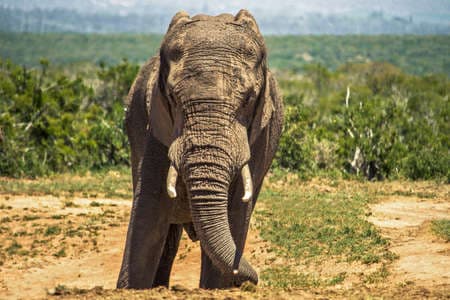
Master the art of photographing Africa's most iconic wildlife with expert tips and insights.
Get in touch with us and we'll get back to you as soon as possible.
Here's what sets us apart from the competition
We deliver exceptional experiences at fair, transparent prices, ensuring every journey offers genuine quality, comfort, and unforgettable adventure without unnecessary costs.
Your journey is crafted around your interests, pace, and travel style, giving you a custom-made adventure that feels authentic, meaningful, and entirely your own.
From planning to your final day of travel, our dedicated team is available to guide, assist, and ensure your trip runs smoothly and stress-free.
Find answers to common questions
Pack lightweight, neutral-coloured clothing, a warm layer for early-morning drives, sturdy shoes, sun protection, insect repellent, a good camera/binoculars, and any required medications or vaccinations after consulting your healthcare provider and local travel advice.
We work with a curated network of vetted lodges, camps, guides, and ground operators selected for local knowledge, safety standards, experience, and suitability to the traveller’s interests and budget.
Yes; itineraries can be tailored for wildlife photography, birding, family-focused activities, honeymooners, and adventure travel, with appropriate accommodations, vehicle options, and guide specialisations arranged on request.
Zimtrek specialises in safaris across Southern and East Africa, with core destinations including Zimbabwe, Botswana, Zambia, South Africa, Namibia, Kenya, and Tanzania.
Zimtrek designs tailor-made safaris including game drives, walking safaris, mobile tented camps, photographic safaris, and combined wildlife-and-cultural itineraries to suit solo travellers, couples, families, and small groups.
In This Article
Essential Equipment
Timing and Location
Ethical Photography
The Big Five, comprising lions, elephants, rhinos, leopards, and buffalo, are not just Africa’s most famed wildlife but also the ultimate subjects for photographers. Capturing these majestic creatures requires not only technical skill but also an understanding of their behavior, habitats, and the challenges each presents.
Photographing the Big Five is a rewarding pursuit but comes with its set of challenges. The elusive leopard, often hidden in trees, requires patience, while the sheer size of elephants can be daunting to capture effectively. However, the reward of a perfect shot is incomparable.
Tip: Always have your camera ready as wildlife moments are unpredictable and fleeting.
Choosing the right equipment is crucial for wildlife photography. A DSLR or mirrorless camera with a fast shutter speed and a zoom lens is essential for capturing the Big Five. A lens with a focal length of 200-400mm is ideal for maintaining a safe distance while getting close-up shots.
Info: A tripod can help reduce camera shake, crucial for sharp images in low light conditions.
Timing and location are everything in wildlife photography. Early mornings and late afternoons provide the best light and increased animal activity. National parks such as Kruger in South Africa, Hwange in Zimbabwe, and the Okavango Delta in Botswana are prime spots for the Big Five.
| Park | Best Time | Highlights |
|---|---|---|
| Kruger National Park | May to September | Elephants, lions |
| Hwange National Park | April to October | Buffalo, rhinos |
| Okavango Delta | June to August | Leopards, wildlife diversity |
Choosing the right time and location can dramatically improve your chances of capturing the Big Five in their natural habitat, adding depth and context to your photographs.
To capture the essence of the Big Five, mastering certain techniques is essential. Understanding animal behavior, using the right camera settings, and positioning yourself strategically can transform your photographs from ordinary to extraordinary.
Knowing when a lion is likely to roar or when an elephant will flap its ears can make all the difference in capturing a dynamic photo. Spend time observing their behavior to anticipate moments that tell a story.
Tip: Patience is key. Wait silently and watch for unique behaviors that bring your images to life.
Adjusting your camera settings to suit the environment is vital. Use a fast shutter speed to freeze motion and a wide aperture to isolate the subject from the background. Adjust ISO based on lighting conditions to ensure clarity without noise.
Positioning yourself at eye level with the animal can create a more intimate connection in your images. Utilize the rule of thirds to compose your shots, ensuring the subject is placed off-center for a more engaging photo.
Info: Try different angles and perspectives to capture unique views that stand out.
Ethics play a crucial role in wildlife photography. Respecting wildlife, maintaining a safe distance, and avoiding disturbance are paramount. Always adhere to park regulations and guidelines for photographers.
Maintaining a respectful distance ensures the safety of both the photographer and the animals. Avoid making sudden movements or loud noises that could startle wildlife.
Photography can be a tool for conservation if used responsibly. Share your images to raise awareness about the importance of protecting Africa's wildlife and habitats.
| Ethical Practice | Action |
|---|---|
| Maintain Distance | Use a zoom lens to avoid intrusion |
| Avoid Disturbance | Minimize noise and movement |
| Contribute to Conservation | Share images with conservation messages |
Get in touch with us and we'll get back to you as soon as possible.
Here's what sets us apart
We deliver exceptional experiences at fair, transparent prices, ensuring every journey offers genuine quality, comfort, and unforgettable adventure without unnecessary costs.
Your journey is crafted around your interests, pace, and travel style, giving you a custom-made adventure that feels authentic, meaningful, and entirely your own.
From planning to your final day of travel, our dedicated team is available to guide, assist, and ensure your trip runs smoothly and stress-free.
Don't just take our word for it
Keep reading