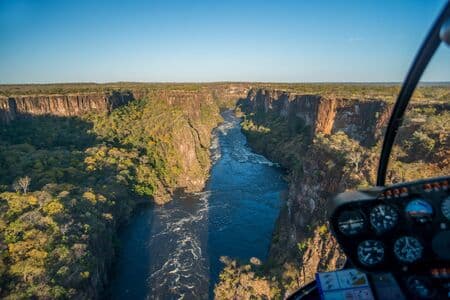
Explore the best locations, tips, and techniques for stunning wildlife photography in South Africa.
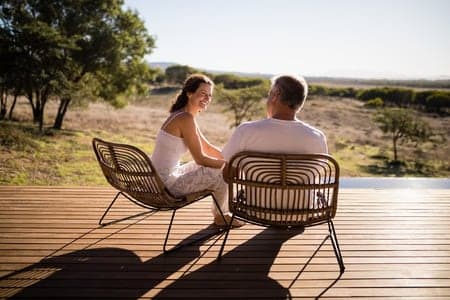
Image via 123RF
Get in touch with us and we'll get back to you as soon as possible.
Here's what sets us apart from the competition
We deliver exceptional experiences at fair, transparent prices, ensuring every journey offers genuine quality, comfort, and unforgettable adventure without unnecessary costs.
Your journey is crafted around your interests, pace, and travel style, giving you a custom-made adventure that feels authentic, meaningful, and entirely your own.
From planning to your final day of travel, our dedicated team is available to guide, assist, and ensure your trip runs smoothly and stress-free.
Find answers to common questions
Pack lightweight, neutral-coloured clothing, a warm layer for early-morning drives, sturdy shoes, sun protection, insect repellent, a good camera/binoculars, and any required medications or vaccinations after consulting your healthcare provider and local travel advice.
We work with a curated network of vetted lodges, camps, guides, and ground operators selected for local knowledge, safety standards, experience, and suitability to the traveller’s interests and budget.
Yes; itineraries can be tailored for wildlife photography, birding, family-focused activities, honeymooners, and adventure travel, with appropriate accommodations, vehicle options, and guide specialisations arranged on request.
Zimtrek specialises in safaris across Southern and East Africa, with core destinations including Zimbabwe, Botswana, Zambia, South Africa, Namibia, Kenya, and Tanzania.
Zimtrek designs tailor-made safaris including game drives, walking safaris, mobile tented camps, photographic safaris, and combined wildlife-and-cultural itineraries to suit solo travellers, couples, families, and small groups.
In This Article
Top Photography Spots
Expert Tips
Best Times to Visit
South Africa is one of the most rewarding places in Southern Africa for a wildlife photography safari because it gives photographers a rare mix of density, accessibility, and variety. In a single journey you can move from open savanna and rocky hills to riverine bush, coastal reserves, and private concessions where vehicles can position more flexibly for a shot. That matters because strong wildlife photography is not just about finding animals; it is about controlling angle, light, distance, background, and patience. A destination that offers good road networks, experienced rangers, and a range of habitats makes that process much easier for both first-time travellers and serious photographers.
For travellers planning with Zimtrek Travel, the value is in shaping the trip around the way you shoot. Some photographers want long game drives and minimal movement so they can wait for behaviour to unfold. Others want a faster-moving itinerary that combines predators, birds, landscapes, and low-light scenes. South Africa supports both styles. It is especially useful for international visitors who want reliable logistics without sacrificing photographic opportunity, because many reserves are reachable by scheduled flights or well-managed road transfers. That makes it practical to combine a photo-focused safari with a Cape Town extension, a Garden Route drive, or a longer Southern Africa itinerary.
A strong photo safari is built around behaviour, not just species lists. The best trips are designed around waterholes, dawn departures, hide access, and time in the vehicle.
That mix is especially useful when you want both big-game portraits and wider landscape frames.
The best location depends on what you want to photograph and how you like to work. Kruger National Park and its surrounding private reserves remain the classic choice for big-game photography because they offer extensive wildlife viewing, regular sightings, and a strong guide culture. Private reserves bordering Kruger often allow off-road driving in controlled settings, which can make a major difference when you want a lower angle, a cleaner background, or a more intimate frame of a leopard in a tree or lions on a track. For photographers who value flexibility, this is often where the real technical advantage lies.
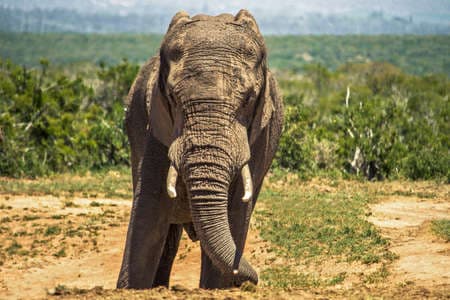
Addo Elephant National Park is different in feel and subject matter. It is well known for elephant photography, but its broader appeal lies in the way animals move through open, sometimes dusty, low-contrast conditions that can produce striking silhouettes and texture-rich portraits. Pilanesberg offers a compact reserve setting that is useful for shorter trips or travellers combining wildlife with other South African experiences. Its volcanic landscape creates attractive backdrops, especially for sunrise and sunset compositions. In KwaZulu-Natal, Hluhluwe-iMfolozi and nearby reserves can be rewarding for rhino, elephant, and bird photography, while the Eastern Cape private reserves offer malaria-free options that suit families or travellers who want an easier logistical setup.
| Location | Best for | Photographic advantage |
|---|---|---|
| Kruger and private reserves | Predators, elephants, mixed game | Strong density, flexible guiding, varied backgrounds |
| Addo Elephant National Park | Elephants, dust, wide-angle scenes | Open landscapes and dramatic herd movement |
| Pilanesberg | Short-break safaris, landscape-plus-wildlife | Compact routing and strong sunrise/sunset frames |
| Hluhluwe-iMfolozi | Rhino, elephant, birds | Classic bush scenery with layered compositions |
Technical skill matters, but the most useful technique on safari is learning to anticipate rather than react. Wildlife rarely holds a pose on command, so the photographer who understands behaviour often comes home with stronger images than the one who simply has the most expensive camera. Watching an elephant’s body language before it crosses a road, noticing when a predator’s ears turn toward movement, or recognising that birds are about to take off all help you press the shutter at the right moment. The same principle applies to composition: leave space in front of an animal if it is moving, lower your angle whenever possible, and let the background tell part of the story.
Light is another major factor. In South Africa, early morning and late afternoon usually provide the most flattering conditions, not only because the light is softer but because animals are often more active then. Overcast conditions can be excellent for detail because they reduce contrast and help preserve feather or fur texture. Bright midday sun is harder, but it is not a lost hour if you use it to focus on behavior, close-ups, dust, reflections, or black-and-white thinking. A good guide can position the vehicle to make the most of all of these conditions, which is one reason guide quality matters so much to photographers.
Shoot in burst mode when movement is unpredictable, but review your frames often. Small adjustments in timing, not constant spraying, improve keeper rates.
For travellers using mirrorless or DSLR systems, the practical goal is not just sharpness. It is controlling shutter speed for action, aperture for subject separation, and ISO for low-light flexibility. A stationary giraffe at dawn may work beautifully with a slower shutter speed if your support is stable, while a running cheetah requires a much faster speed and a willingness to raise ISO. If you are photographing from a safari vehicle, brace your elbows, keep your lens hood ready, and learn the limits of your equipment before the trip so you are not making technical guesses when the action begins.
The right gear depends on your style, but South African safari conditions reward versatility. A zoom lens in the 100-400mm or 150-600mm range gives you flexibility for animals that appear suddenly or stay at different distances. For broader scenes, a mid-range zoom or a wide-angle lens is useful for landscapes, lodge storytelling, and environmental wildlife portraits. Two camera bodies can be helpful if you use interchangeable lenses, but many travellers do fine with one body and one strong telephoto lens, especially on a well-organised trip with consistent vehicle seating.
A beanbag is one of the most practical accessories for safari photography because it stabilises a long lens on a vehicle door or window frame. Extra batteries, a reliable memory card workflow, lens cleaning cloths, and a weather-resistant bag are equally important. Dust is part of the experience, and South African roads can create enough vibration that loose equipment becomes frustrating quickly. If you expect low-light scenes or night drives in private reserves, fast glass and good autofocus performance can make a meaningful difference, though the guide’s positioning remains just as important as the camera body itself.
| Gear item | Why it helps | Practical note |
|---|---|---|
| 100-400mm zoom | Flexible framing for most sightings | A strong all-round choice for travellers |
| Beanbag | Stabilises long lenses in vehicles | Very useful on game drives and private vehicles |
| Extra batteries and cards | Reduces downtime during long drives | Keep them in a dust-proof pouch |
Season changes the look of your portfolio as much as the location does. In the drier months, vegetation often thins out and animals may concentrate around reliable water sources, which can simplify tracking and improve visibility. That does not mean the wet season should be dismissed. The green months bring dramatic skies, newborn animals, active birdlife, and a very different colour palette. If your aim is to build a varied collection rather than chase a single species, choosing the season based on the mood you want in your images is often more useful than focusing only on the number of animals you might see.
For South Africa, many photographers favour the shoulder periods because they can combine good movement, comfortable temperatures, and less visual clutter than the height of the rainy months. In dry periods, predators and herbivores often gather around water, which can create storytelling opportunities with interactions, reflections, and dust. In greener periods, birds become especially rewarding and landscape photography becomes more attractive. The key is to align your expectations with the season rather than hoping for the same visual result year-round.
| Season | Photographic conditions | What to target |
|---|---|---|
| Dry winter months | Clearer sightlines, softer vegetation, cooler mornings | Big game, waterholes, action near roads |
| Early rainy season | Greening landscapes, dramatic skies, variable light | Birds, young animals, wide scenic frames |
| Late rainy season | Dense foliage, vivid colour, more challenging visibility | Behavioural moments and close-range texture |
Rain can improve the visual drama of a frame, but it can also change road conditions and movement times. Build buffer time into your itinerary if you are travelling in wetter months.
The best photography safaris are built around more than the calendar. They also consider time of day, the reserve layout, and how many drives you want per day. A three-night stay in a private reserve can work well for photographers who want concentrated quality time in the field, while a longer Kruger-based journey suits travellers who want variety and a slower pace. If you are travelling from overseas, it is worth planning arrival and departure days carefully so you do not waste the strongest light periods recovering from long-haul transit.
A skilled local guide is one of the biggest advantages on a South African wildlife photography safari. Good guides know more than routes; they understand animal movement, radio communication, reserve rules, and how to position a vehicle without disturbing the subject. For a photographer, that can mean the difference between a fleeting side profile and a thoughtful composition with clean lines and usable light. In private reserves, guides may also work closely with trackers, which increases the chance of arriving before the vehicle queue builds up or before the subject moves out of view.
At Zimtrek Travel, itinerary planning takes this into account from the start. Rather than treating guiding as a generic add-on, the trip is matched to the style of photography you want to pursue. A bird photographer may benefit from quieter drives and more time at hides or wetlands, while a big-game photographer may need a reserve with flexible access and guides who are comfortable staying with a sighting for longer. This is where local knowledge becomes practical, not just descriptive: it influences which reserve, which lodge, which transfer timing, and even which vehicle setup is most suitable.
Tell your guide what you are trying to achieve before the drive starts. “Portraits,” “behaviour,” and “wide environmental frames” lead to different positioning choices.
Ethical photography is essential because the best images should never come at the expense of the subject. Staying in the vehicle when required, avoiding pressure on animals, and not asking guides to crowd a sighting are basic expectations. The same applies to flash use, drone use, and any attempt to interfere with natural movement. A calmer, more respectful approach usually produces better photographs anyway, because relaxed animals behave more naturally than stressed ones.
Ethics also extends to the story behind the image. If you are photographing a rhino, elephant, or predator, resist the temptation to alter the scene by asking for repeated repositioning that could disrupt the animal’s behaviour. If another vehicle is already present, wait your turn, avoid blocking others, and accept that sometimes the best decision is to let the moment unfold without chasing it. Responsible photographers build stronger reputations with guides, which often leads to even better opportunities later in the trip.
The most respectful photographers are often the ones who get the best access over time, because guides trust them to work calmly and professionally.
Planning a photography safari works best when the itinerary is designed around your priorities instead of forcing you into a standard game package. Zimtrek Travel can help shape a South Africa trip around species focus, travel pace, and comfort level. For example, a traveller who wants iconic mammals and strong infrastructure may be steered toward Kruger and nearby private reserves. Someone who wants a shorter trip with a strong visual payoff might be better suited to Pilanesberg, while a family seeking a lighter logistical load may prefer a malaria-free reserve in the Eastern Cape. These choices change not just the wildlife you are likely to encounter, but the light, movement, and photographic style you can achieve.
It is also important to think about how your trip fits into the rest of your journey. International travellers often combine a photography-focused safari with Johannesburg arrivals, Cape Town departures, or a longer Southern Africa circuit. That affects flight connections, baggage planning, and the amount of time available in each reserve. A well-planned itinerary reduces stress on travel days and protects the hours that matter most: first light, late afternoon, and those unplanned moments when behaviour suddenly becomes memorable.
One of the most common stories from photographers returning from South Africa is that their best images came from patience and guide communication, not from chasing every sighting. A couple on a private reserve itinerary may arrive hoping for predators, only to discover that their most striking pictures come from elephants moving through soft dawn light and impalas framed against a burnt-orange sky. A solo traveller with a telephoto lens might expect to focus entirely on mammals but leave with a richer portfolio because the reserve also delivered remarkable bird activity and environmental detail after light rain.
Another recurring theme is the value of reshooting the same subject under different conditions. A lion in harsh midday sun, for instance, may become a far better subject later in the day when the animal shifts position, changes expression, or begins interacting with others. Photographers who understand this are less frustrated by slow moments and more willing to wait for the frame that has texture, story, and atmosphere. South Africa rewards that mindset because its reserves are organised well enough to support longer observation without making the day feel chaotic.
A wildlife photography safari in South Africa is most rewarding when the destination, the season, the guiding, and the gear are all aligned with the type of images you want to create. The country offers an unusually strong mix of access, biodiversity, and photographic flexibility, which is why it remains such a dependable choice for travellers who want more than a casual game drive. If you build the trip around light, behaviour, and location rather than trying to photograph everything, you give yourself a far better chance of returning with images that feel intentional and memorable.
Zimtrek Travel’s role is to make that planning process easier and more effective, using local knowledge to match you with the right reserve, lodge, guide style, and travel timing. Whether you are after classic big-game scenes, elephants in open landscapes, or a well-rounded safari portfolio, the key is thoughtful preparation. South Africa offers the canvas; a carefully designed itinerary helps you make the most of it.
Get in touch with us and we'll get back to you as soon as possible.
Here's what sets us apart
We deliver exceptional experiences at fair, transparent prices, ensuring every journey offers genuine quality, comfort, and unforgettable adventure without unnecessary costs.
Your journey is crafted around your interests, pace, and travel style, giving you a custom-made adventure that feels authentic, meaningful, and entirely your own.
From planning to your final day of travel, our dedicated team is available to guide, assist, and ensure your trip runs smoothly and stress-free.
Don't just take our word for it
Keep reading