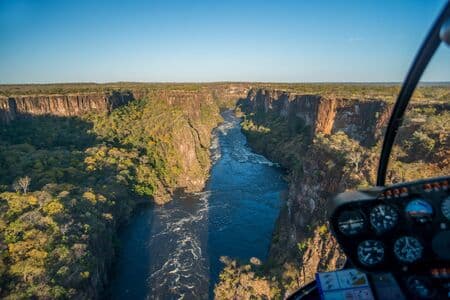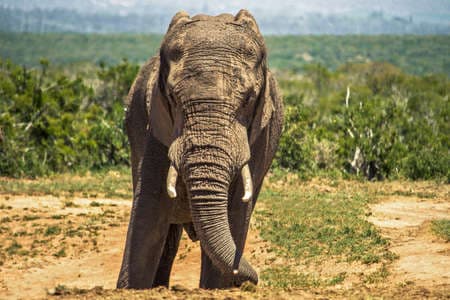
Explore Tanzania’s premier safari locations for unforgettable wildlife experiences.

Image via 123RF
Get in touch with us and we'll get back to you as soon as possible.
Here's what sets us apart from the competition
We deliver exceptional experiences at fair, transparent prices, ensuring every journey offers genuine quality, comfort, and unforgettable adventure without unnecessary costs.
Your journey is crafted around your interests, pace, and travel style, giving you a custom-made adventure that feels authentic, meaningful, and entirely your own.
From planning to your final day of travel, our dedicated team is available to guide, assist, and ensure your trip runs smoothly and stress-free.
Find answers to common questions
Pack lightweight, neutral-coloured clothing, a warm layer for early-morning drives, sturdy shoes, sun protection, insect repellent, a good camera/binoculars, and any required medications or vaccinations after consulting your healthcare provider and local travel advice.
We work with a curated network of vetted lodges, camps, guides, and ground operators selected for local knowledge, safety standards, experience, and suitability to the traveller’s interests and budget.
Yes; itineraries can be tailored for wildlife photography, birding, family-focused activities, honeymooners, and adventure travel, with appropriate accommodations, vehicle options, and guide specialisations arranged on request.
Zimtrek specialises in safaris across Southern and East Africa, with core destinations including Zimbabwe, Botswana, Zambia, South Africa, Namibia, Kenya, and Tanzania.
Zimtrek designs tailor-made safaris including game drives, walking safaris, mobile tented camps, photographic safaris, and combined wildlife-and-cultural itineraries to suit solo travellers, couples, families, and small groups.
In This Article
Diverse Ecosystems
Wildlife Migration
Cultural Encounters
Tanzania stands out in East Africa because it delivers scale, variety, and continuity across its protected areas. Instead of a single famous park, travellers can move from open grasslands to volcanic highlands, alkaline lakes, and river systems that change the safari experience from one day to the next. That diversity is what makes the country so compelling for first-time visitors and repeat safari travellers alike. For Zimtrek Travel clients, Tanzania often works best when the trip is designed as a sequence of contrasting landscapes rather than a single stop. A well-planned itinerary might begin in the northern circuit, add a crater stay, then finish with a beach extension on the Indian Ocean coast.
Tanzania’s safari strength is not just wildlife density. It is the way different habitats create different viewing styles, from predator-focused plains to quieter birding wetlands and elephant corridors.
The country’s northern safari circuit is the most familiar to international travellers, especially those seeking the Serengeti, Ngorongoro Crater, Tarangire, and Lake Manyara in one route. That circuit works particularly well for travellers who want efficient transfers and a strong mix of game drives with relatively short overland distances. Southern and western Tanzania offer a more remote feeling, but this article focuses on the classic northern safari destinations because they provide the clearest introduction to the country’s best-known wildlife areas and can be combined into excellent itineraries with coast or mountain add-ons.
| Region | Safari character | Best for |
|---|---|---|
| Northern circuit | Classic game viewing, crater scenery, migration access | First-time safari travellers and families |
| Highland and crater zones | Cooler air, dramatic topography, dense wildlife concentration | Photographers and short-stay visitors |
| Lake and wetland landscapes | Birdlife, forest edges, and varied scenery | Travellers who want more than just big game |
Core northern destinations often combined into one practical safari route
Zimtrek Travel typically recommends Tanzania to travellers who want strong wildlife viewing without sacrificing variety. A couple may want sunrise game drives and a private lodge; a family may prefer shorter transfer days and a more predictable pace; a small group may prioritise the Great Migration and photographic opportunities. That is why the destination choice matters so much: each park answers a different travel goal. The sections below break down the strongest safari locations by the kind of experience they deliver rather than simply listing them as places to visit.
The Serengeti is the destination that most travellers picture when they imagine an African safari, and for good reason. It is famous for wide open plains, large predator populations, and the seasonal movement of huge herds across the ecosystem. The park is especially well known for its role in the Great Migration, where wildebeest, zebra, and gazelle move in response to rainfall and grazing conditions. Because that movement is seasonal and not fixed to one spot, the most useful way to plan the Serengeti is by understanding which part of the ecosystem is active at a given time of year.
The Great Migration is dynamic, not stationary. Travellers should match their travel month to the ecosystem zone they want to prioritise, rather than assume the herds will be in one place all year.
Beyond the migration, the Serengeti is compelling because game drives often feel expansive and unhurried. The landscape allows for long sightlines, so it is easier to watch predator-prey interactions, scan for cheetah on the move, and appreciate the scale of the environment. This is one of the few parks where the journey between sightings can be as memorable as the sightings themselves. It also offers a strong range of lodge styles, from comfortable tented camps to more premium properties positioned near key wildlife corridors. For travellers who value atmosphere and wildlife movement over packed schedules, the Serengeti is usually the centrepiece of a Tanzania safari.
| Serengeti zone | Typical appeal | Best travel window |
|---|---|---|
| Central Serengeti | Reliable wildlife viewing and strong year-round base | Most months |
| Northern Serengeti | River crossings and migration movement | Usually mid-year to late-year, depending on rainfall |
| Southern Serengeti and Ndutu area | Calving season and predator activity | Typically the early part of the year |
The best way to think about the Serengeti is as a wildlife system rather than a single park. Different areas become more important at different times, which is why itinerary design matters so much. A traveller focused on dramatic herd movement may accept longer drives and a more mobile camp. Someone focused on a comfortable first safari may prefer a central location with broad year-round viewing and easier logistics. Zimtrek’s planning approach is to align the camp placement with the specific month of travel, the traveller’s patience for transfers, and whether the trip is built around migration, photography, or a classic first safari.
Ngorongoro Crater offers one of the most dramatic safari landscapes in Africa. It is a vast volcanic caldera with a high concentration of wildlife inside its rim, which makes it especially attractive to travellers who want a compact, high-yield game viewing day. The setting is unlike the open plains of the Serengeti: the crater floor creates a sense of enclosure, and the rim provides sweeping views that make the descent itself part of the experience. For many travellers, this is the destination that transforms a safari from “seeing animals” into understanding a landscape shaped by geology, grassland, and seasonality.
Ngorongoro is particularly useful for shorter itineraries because it delivers a dense wildlife experience without requiring multiple full driving days inside the park itself.
What makes Ngorongoro valuable in a safari itinerary is its consistency. Travellers frequently add it after the Serengeti or before Tarangire because it breaks up long road journeys with a powerful wildlife day. It is also one of the strongest destinations for visitors who want to increase their odds of seeing a broad range of animals in a single outing. That said, it is important to understand that the crater is popular and can be busy at certain times. Good planning helps a great deal here: an early entry, the right lodge location, and realistic expectations about timing can make the experience feel far more relaxed.
| Feature | What it means for travellers | Practical takeaway |
|---|---|---|
| Crater floor | Compact area with strong wildlife density | Good for a focused game drive day |
| Crater rim | Scenic lodges and cooler temperatures | Best for atmosphere and views |
| Access roads | Overland approach from the north circuit | Plan for transfer time, not just game-drive time |
Travellers often ask whether Ngorongoro should be treated as a one-night stop or a deeper experience. The honest answer is that it works well in both ways, depending on the broader route. For a quick northern circuit, one night may be enough to enjoy the rim and a crater descent. For a slower, more reflective safari, two nights can give travellers time to enjoy the scenery, settle into the lodge, and avoid making the experience feel rushed. Zimtrek often uses Ngorongoro as the “bridge” between the Serengeti and the next destination because it helps keep the itinerary balanced and logistically efficient.
Tarangire has a very different identity from the Serengeti and Ngorongoro. It is often remembered for its elephant population, but that only tells part of the story. The park is also known for baobab trees, seasonal swamps, and a dry landscape that draws wildlife during the drier months. Because of that, Tarangire can feel especially rewarding for travellers who appreciate a more textured safari scene: not only animals, but also distinctive scenery that changes the rhythm of each drive.
Tarangire is often strongest in the drier period, when animals concentrate around the river and water sources and the vegetation opens up for clearer viewing.
One reason Tarangire fits so well into Tanzania itineraries is that it provides contrast. After the big open spaces of the Serengeti or the crater floor of Ngorongoro, Tarangire feels more intimate and sculpted by trees, floodplains, and river life. It is particularly attractive to travellers who enjoy photography, because baobabs and elephant herds create striking foreground and background combinations. It is also a smart choice for travellers who want a destination that is less about “checking off” the famous names and more about appreciating a park with its own seasonal rhythm.
For Zimtrek clients, Tarangire can be the destination that makes a northern circuit feel more rounded. A family may enjoy the variety it adds after a crater visit. A couple may like the quieter lodge setting and the chance to slow down. A photographer may use Tarangire as a location for early morning light and strong animal silhouettes against the trees. Because the park responds so clearly to seasonal water patterns, it is best planned with a guide who understands how the dry season changes wildlife movement inside and outside the river corridor.
Lake Manyara is often underestimated, but that is exactly why it deserves a place in a serious Tanzania safari discussion. It is smaller than the headline parks, yet it offers one of the most varied landscapes on the northern circuit. Travellers move from groundwater forest to open lake edge, then to escarpment views and seasonal marshes. That combination makes it especially appealing to travellers who enjoy ecology, birding, and a broader sense of place rather than just ticking off large mammals.
Bird species recorded in and around the Manyara landscape, making it a strong stop for bird-focused travellers
The park’s birdlife is one of its great strengths, but its appeal does not end there. Forest edges often reward careful viewing, and the lake scenery can be especially attractive in a route that has already included grassland and crater landscapes. Manyara also works well as a shorter game-drive day for travellers who do not want every day to feel identical. It can be a pleasant first or final wildlife stop because it is geographically convenient and visually different from the larger parks further north.
| Traveller type | Why Manyara fits | Best use in itinerary |
|---|---|---|
| Birdwatcher | Strong bird diversity across forest and lake habitats | Dedicated half-day or full-day stop |
| First-time safari traveller | Gentler introduction before larger parks | Beginning of a northern circuit |
| Family | Varied scenery keeps the day interesting | Shorter, less tiring wildlife stop |
Many travellers dismiss Lake Manyara because they compare it directly to larger parks. That misses the point. It is not trying to be a vast migration landscape or a crater with dense wildlife concentration. Its value lies in variety, scenery, and birdlife, plus the way it fills out a northern circuit so the whole journey feels more layered. For visitors who want a richer understanding of Tanzania’s ecosystems, Manyara is often the place where the safari stops feeling one-dimensional and starts feeling complete.
Mount Kilimanjaro is not a safari destination in the traditional game-drive sense, but it belongs in the same conversation because many travellers combine it with a wildlife circuit. It adds altitude, challenge, and a completely different kind of landscape to a Tanzania journey. For active travellers, this is the natural extension of a safari holiday: instead of only watching wildlife from a vehicle, they also experience highland environments, changing vegetation zones, and the sense of moving through a mountain system that stands apart from the savannas further west.
Kilimanjaro pairs well with safari because it changes the pace of the trip. After time in the bush, the mountain gives travellers a more active and physically engaging finish.
For travellers planning with Zimtrek, the key question is not whether Kilimanjaro is “better” than a safari stop, but whether the trip profile can support it. A mountain climb requires a different fitness mindset, more time for acclimatisation, and a schedule that protects energy before or after the ascent. Some visitors choose to climb first and then relax on safari; others prefer to safari first and end with a lighter beach stay. The best sequence depends on how much recovery time the traveller wants after the mountain and whether the wildlife portion should feel restful or more active.
Zanzibar is one of the most effective add-ons to a Tanzania safari because it gives the itinerary a natural finishing point. After days of early starts, dust, and long game drives, the Indian Ocean coast offers a different pace entirely. Travellers can switch from viewing wildlife to enjoying beach time, spice tours, and historic coastal architecture. This contrast is what makes the combination so appealing: instead of feeling like two separate holidays, safari and coast become one balanced journey.
A beach extension works best when it is planned as recovery time, not as an afterthought. The right number of nights depends on how intense the safari portion was and how far travellers are flying.
The most practical advantage of Zanzibar is that it allows travellers to close out a wildlife-focused trip without another long overland route. It can suit honeymooners, families needing downtime, or small groups that want a shared final chapter in a more relaxed setting. Zimtrek often advises travellers to think in terms of rhythm: a very active safari can feel better when followed by a slower beach stay, while a shorter safari may only need a couple of nights on the coast. Zanzibar is especially useful for international visitors who want to make a single trip feel broader in experience without extending the wildlife schedule too much.
| Add-on style | Why it works | Typical use |
|---|---|---|
| Short beach finish | Rest and reset after safari | 2 to 3 nights after a compact circuit |
| Longer coast stay | More relaxation, water activities, and culture | 4 to 6 nights after a longer wildlife trip |
| Split itinerary | Balances active days and recovery days | Ideal for honeymoons or multi-generational travel |
One of the most valuable ways to understand Tanzania is through its communities, not only its wildlife. Cultural experiences add depth to a safari by helping travellers see how people live alongside conservation areas, work in tourism, and preserve local traditions. When handled respectfully and with the right expectations, these encounters can be a meaningful part of the journey rather than a token add-on. They also help travellers appreciate that safari landscapes are living places with histories, livelihoods, and ongoing adaptation.
The best cultural visits are guided by local hosts and built into the route thoughtfully, so the experience feels genuine rather than rushed or performative.
Travellers may encounter village visits, craft demonstrations, storytelling, or opportunities to learn about farming and pastoral life. In the north, these encounters often connect naturally with the wider landscape because communities and conservation areas exist side by side. For many visitors, this is where the safari becomes more memorable: not only because of what they saw, but because they gained a fuller understanding of the region. Zimtrek tends to recommend cultural interactions to travellers who are curious, patient, and open to listening rather than simply photographing.
Cultural time also helps diversify a safari itinerary for travellers who do not want every day to be a game-drive day. A family travelling with older children may find it gives structure and learning value to the trip. A couple may enjoy the slower pace and local context. A group may appreciate having a shared experience that is not dependent on wildlife movement or weather. The most important planning note is to use reputable operators and ask in advance what the visit includes, how long it lasts, and whether fees support the local community.
Practical planning matters in Tanzania because distances, seasonal conditions, and park entry patterns all affect the quality of the trip. Travellers should think about the route as a sequence of experiences, not just a list of destinations. In the northern circuit, a road transfer can be part of the adventure, but it still needs to be paced properly so the itinerary does not become tiring. The best safaris allow enough time for each stop to feel meaningful while avoiding unnecessary backtracking.
| Planning area | What to check | Why it matters |
|---|---|---|
| Transfer times | Road distances between parks and lodges | Reduces fatigue and preserves game-drive time |
| Vehicle choice | Pop-up roof or open-sided safari vehicle | Improves viewing and photography comfort |
| Seasonality | Rainfall, migration movement, and road conditions | Affects where wildlife is concentrated |
| Lodge position | Inside park, near gate, or on crater rim | Changes how early you can start each day |
For Tanzania, the right lodge location can save hours over the course of a trip. That matters more than many travellers realise until they see the difference in daily pacing.
Packing should reflect both sun and dust, plus the possibility of cool mornings in higher areas like Ngorongoro. Neutral clothing, a light layer, good walking shoes, binoculars, and a camera with a spare battery are sensible basics. Travellers should also keep some flexibility in mind, because wildlife is seasonal and road conditions can change after rainfall. The smartest safari planning leaves enough margin in the itinerary to absorb these realities without making the trip feel rushed. Zimtrek’s role is to build that margin in from the start, so the trip feels smooth rather than tightly compressed.
A strong Tanzania itinerary is usually built around two questions: what do you want most from the safari, and how much travel time do you want to spend moving between destinations? The most common route for a first trip is a northern circuit that combines Tarangire, Lake Manyara, Ngorongoro, and the Serengeti. This works because the route has logical sequencing, strong wildlife variety, and enough flexibility to shorten or extend depending on the traveller’s budget and pace. A shorter route may focus on Tarangire, Ngorongoro, and one Serengeti area. A fuller route may add more nights in the Serengeti or finish with Zanzibar.
| Route style | Typical sequence | Best for |
|---|---|---|
| Classic northern circuit | Tarangire, Manyara, Ngorongoro, Serengeti | First-time safari travellers |
| Migration-focused route | Ngorongoro plus the relevant Serengeti sector | Travellers prioritising herd movement |
| Safari plus coast | Northern circuit followed by Zanzibar | Honeymoons, families, and longer holidays |
Seasonality matters because different destinations peak for different reasons. The Serengeti is shaped by migration timing, Tarangire becomes especially interesting in drier periods when animals cluster near water, Ngorongoro offers strong year-round viewing, and Manyara can be a useful birding and scenery stop when the overall circuit needs variety. Rather than treating one month as universally best, travellers should choose based on what they most want to see: migration movement, denser wildlife concentrations, cooler crater conditions, or a combination of safari and coast. Zimtrek can help sequence the route so the timing aligns with the ground reality of each park instead of a generic travel calendar.
For many visitors, the smartest itinerary is the one that is slightly less ambitious but more coherent. Four well-chosen nights can feel better than five rushed stops. A safari that respects transfer times, seasonal wildlife movement, and the traveller’s preferred pace usually delivers a more satisfying result than one that simply tries to include every famous name. Tanzania rewards thoughtful planning because its parks are distinct enough to justify that extra care. If you want the route to feel polished, the key is matching the park order, season, and lodge locations to the kind of safari experience you actually want.
Get in touch with us and we'll get back to you as soon as possible.
Here's what sets us apart
We deliver exceptional experiences at fair, transparent prices, ensuring every journey offers genuine quality, comfort, and unforgettable adventure without unnecessary costs.
Your journey is crafted around your interests, pace, and travel style, giving you a custom-made adventure that feels authentic, meaningful, and entirely your own.
From planning to your final day of travel, our dedicated team is available to guide, assist, and ensure your trip runs smoothly and stress-free.
Don't just take our word for it
Keep reading