Explore South Africa's Big Five with Sustainability and Conservation in Mind

Image via 123RF
Get in touch with us and we'll get back to you as soon as possible.
Here's what sets us apart from the competition
We deliver exceptional experiences at fair, transparent prices, ensuring every journey offers genuine quality, comfort, and unforgettable adventure without unnecessary costs.
Your journey is crafted around your interests, pace, and travel style, giving you a custom-made adventure that feels authentic, meaningful, and entirely your own.
From planning to your final day of travel, our dedicated team is available to guide, assist, and ensure your trip runs smoothly and stress-free.
Find answers to common questions
Pack lightweight, neutral-coloured clothing, a warm layer for early-morning drives, sturdy shoes, sun protection, insect repellent, a good camera/binoculars, and any required medications or vaccinations after consulting your healthcare provider and local travel advice.
We work with a curated network of vetted lodges, camps, guides, and ground operators selected for local knowledge, safety standards, experience, and suitability to the traveller’s interests and budget.
Yes; itineraries can be tailored for wildlife photography, birding, family-focused activities, honeymooners, and adventure travel, with appropriate accommodations, vehicle options, and guide specialisations arranged on request.
Zimtrek specialises in safaris across Southern and East Africa, with core destinations including Zimbabwe, Botswana, Zambia, South Africa, Namibia, Kenya, and Tanzania.
Zimtrek designs tailor-made safaris including game drives, walking safaris, mobile tented camps, photographic safaris, and combined wildlife-and-cultural itineraries to suit solo travellers, couples, families, and small groups.
In This Article
Eco-Friendly Destinations
Community Impact
Plan Responsibly
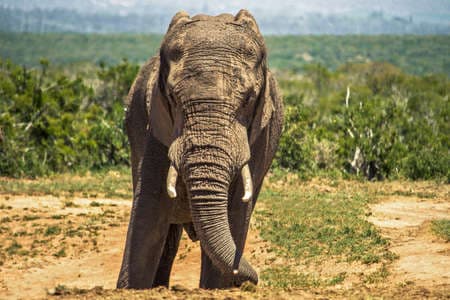
The term 'Big Five' originally referred to the five most difficult animals to hunt on foot in Africa: the lion, elephant, buffalo, leopard, and rhinoceros. Today, these majestic creatures are the focus of conservation efforts and eco-tourism. South Africa offers some of the best opportunities to see the Big Five in their natural habitat while supporting sustainable tourism practices.
South Africa's diverse landscapes, well-managed national parks, and private reserves make it an ideal destination for eco-conscious travelers. The country's commitment to conservation and sustainable tourism ensures that visitors can enjoy wildlife experiences that support local communities and ecosystems.
Tip: Opt for lodges and tours that are certified by recognized eco-tourism bodies to ensure your safari contributes positively to conservation efforts.
South Africa's Kruger National Park is renowned for its Big Five sightings and is home to one of the world’s most diverse wildlife populations. Other notable reserves include Mala Mala, Sabi Sands, and Phinda Private Game Reserve, each offering unique eco-friendly safari experiences.
| Reserve | Eco-Friendly Practices | Wildlife Highlights |
|---|---|---|
| Kruger National Park | Solar power, anti-poaching units | Elephants, lions, rhinos |
| Mala Mala | Wildlife monitoring projects | Leopards, buffalo |
| Sabi Sands | Community involvement, eco-friendly lodges | Lions, elephants |
Selecting the right accommodation is crucial to ensuring a responsible safari experience. Many lodges in South Africa are designed to minimize their environmental footprint, using sustainable materials and practices. Look for accommodations that provide solar power, waste recycling, and water conservation measures.
Info: Some lodges offer educational sessions on local wildlife conservation efforts, enhancing your overall safari experience.
Eco-tourism plays a significant role in wildlife conservation in South Africa. By choosing eco-friendly safaris, you contribute to the preservation of natural habitats and support anti-poaching initiatives. Funds from tourism often go directly to conservation projects, ensuring that wildlife populations thrive for future generations.
Responsible tourism also provides economic opportunities for local communities. Many safari lodges employ locals and invest in community development projects, such as schools and healthcare facilities. This creates a reciprocal relationship where communities benefit from tourism and, in turn, become stewards of the environment.
Warning: Ensure your safari operator is transparent about how funds are allocated to conservation and community projects.
When planning your safari, consider the best times for wildlife viewing, which generally occur in the dry season when animals congregate around water sources. Zimtrek Travel offers customized itineraries that focus on eco-tourism and conservation, ensuring a fulfilling and responsible wildlife experience.
| Season | Months | Wildlife Activity |
|---|---|---|
| Dry Season | May to October | High visibility, animals at water holes |
| Wet Season | November to April | Lush landscapes, bird migration |
Select operators who are committed to sustainability and have a track record of conservation success. Research their partnerships with local communities and wildlife organizations, ensuring that your safari contributes positively to both people and nature.
Tip: Zimtrek Travel collaborates with accredited eco-tourism operators to provide sustainable safari experiences.
Get in touch with us and we'll get back to you as soon as possible.
Here's what sets us apart
We deliver exceptional experiences at fair, transparent prices, ensuring every journey offers genuine quality, comfort, and unforgettable adventure without unnecessary costs.
Your journey is crafted around your interests, pace, and travel style, giving you a custom-made adventure that feels authentic, meaningful, and entirely your own.
From planning to your final day of travel, our dedicated team is available to guide, assist, and ensure your trip runs smoothly and stress-free.
Don't just take our word for it
Keep reading