Explore how seasonal changes affect the behavior of the Big Five in Southern Africa.
Get in touch with us and we'll get back to you as soon as possible.
Here's what sets us apart from the competition
We deliver exceptional experiences at fair, transparent prices, ensuring every journey offers genuine quality, comfort, and unforgettable adventure without unnecessary costs.
Your journey is crafted around your interests, pace, and travel style, giving you a custom-made adventure that feels authentic, meaningful, and entirely your own.
From planning to your final day of travel, our dedicated team is available to guide, assist, and ensure your trip runs smoothly and stress-free.
Find answers to common questions
Pack lightweight, neutral-coloured clothing, a warm layer for early-morning drives, sturdy shoes, sun protection, insect repellent, a good camera/binoculars, and any required medications or vaccinations after consulting your healthcare provider and local travel advice.
We work with a curated network of vetted lodges, camps, guides, and ground operators selected for local knowledge, safety standards, experience, and suitability to the traveller’s interests and budget.
Yes; itineraries can be tailored for wildlife photography, birding, family-focused activities, honeymooners, and adventure travel, with appropriate accommodations, vehicle options, and guide specialisations arranged on request.
Zimtrek specialises in safaris across Southern and East Africa, with core destinations including Zimbabwe, Botswana, Zambia, South Africa, Namibia, Kenya, and Tanzania.
Zimtrek designs tailor-made safaris including game drives, walking safaris, mobile tented camps, photographic safaris, and combined wildlife-and-cultural itineraries to suit solo travellers, couples, families, and small groups.
In This Article
Understanding Seasons
Big Five Insights
Safari Planning Tips
Southern Africa experiences distinct wet and dry seasons, each bringing unique changes to the landscapes and wildlife behavior. Understanding these seasonal patterns is crucial for planning a Big Five safari. The wet season, typically from November to March, transforms the savannah into a lush paradise, while the dry season, from April to October, unveils a stark, arid beauty.
During the wet season, the abundance of water leads to a dispersion of animals. The Big Five-lion, elephant, buffalo, leopard, and rhinoceros-spread out as water becomes readily available across the plains. Predators find hunting more challenging due to the plentiful prey and thick vegetation.
Tip: The wet season is ideal for bird watching and capturing the landscape's vibrant colors.
Conversely, the dry season forces wildlife to congregate around dwindling water sources. This season offers excellent opportunities to witness dramatic interactions among the Big Five. As water becomes scarce, the chances of observing predators increase, as they are more predictable in their movements.
| Season | Characteristics | Wildlife Behavior |
|---|---|---|
| Wet Season | Lush landscapes, scattered water | Dispersed wildlife, vibrant birdlife |
| Dry Season | Sparse vegetation, concentrated water | Congregated wildlife, increased predator visibility |
Lions are highly adaptive to seasonal changes. During the wet season, their pride often expands their territory, taking advantage of the abundance of prey. In the dry season, they rely on stealth and strategy, often seen near water holes where other animals gather.
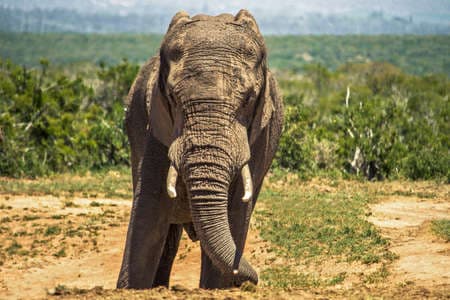
Elephants are migratory and shift their movements based on water availability. Wet seasons see them enjoying the abundance of water, while during dry periods, they may travel long distances, using their keen sense of smell to locate water.
Insight: Observe elephant family dynamics as they travel together during dry spells.
Understanding these seasonal behaviors enriches the safari experience, offering a deeper connection to the natural world and its majestic inhabitants.
Buffalo herds are fascinating to observe as they navigate seasonal changes. During the wet season, they thrive on the rich grasses, and their herds expand. In the dry season, they become more defensive, clustering together for protection as they graze near water sources.
Leopards are solitary animals that adapt their hunting techniques according to the season. The wet season provides ample cover, allowing them to ambush prey. In the dry season, they become more visible as they hunt near water holes and rely on their agility to navigate sparse landscapes.
Warning: Leopards are elusive; patience is key when spotting them.
Rhinos are browsers that prefer solitary lives. During the wet season, they enjoy the abundant foliage, while the dry season sees them concentrate near water holes. Observing their behavior provides insights into their protective instincts and territorial nature.
| Animal | Wet Season Behavior | Dry Season Behavior |
|---|---|---|
| Lion | Extended territories, abundant prey | Strategic hunting near water |
| Elephant | Migration, abundant water | Long-distance travel for water |
| Buffalo | Expanded herds, rich grasses | Defensive grazing near water |
Planning a safari requires understanding these seasonal behaviors to optimize wildlife viewing. Knowing when and where to go can significantly enhance your chances of observing the Big Five in their natural habitats.
Zimtrek's expertise ensures a well-planned safari experience, tailored to seasonal highlights.
Get in touch with us and we'll get back to you as soon as possible.
Here's what sets us apart
We deliver exceptional experiences at fair, transparent prices, ensuring every journey offers genuine quality, comfort, and unforgettable adventure without unnecessary costs.
Your journey is crafted around your interests, pace, and travel style, giving you a custom-made adventure that feels authentic, meaningful, and entirely your own.
From planning to your final day of travel, our dedicated team is available to guide, assist, and ensure your trip runs smoothly and stress-free.
Don't just take our word for it
Keep reading