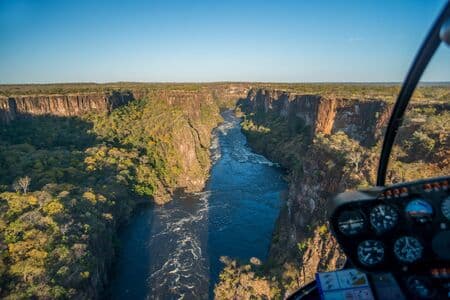
Discover how to create unforgettable family safari experiences that cater to every member of your family.
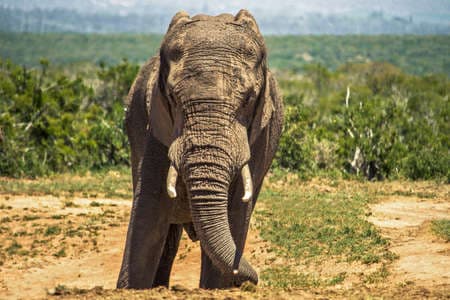
Image via 123RF
Get in touch with us and we'll get back to you as soon as possible.
Here's what sets us apart from the competition
We deliver exceptional experiences at fair, transparent prices, ensuring every journey offers genuine quality, comfort, and unforgettable adventure without unnecessary costs.
Your journey is crafted around your interests, pace, and travel style, giving you a custom-made adventure that feels authentic, meaningful, and entirely your own.
From planning to your final day of travel, our dedicated team is available to guide, assist, and ensure your trip runs smoothly and stress-free.
Find answers to common questions
Pack lightweight, neutral-coloured clothing, a warm layer for early-morning drives, sturdy shoes, sun protection, insect repellent, a good camera/binoculars, and any required medications or vaccinations after consulting your healthcare provider and local travel advice.
We work with a curated network of vetted lodges, camps, guides, and ground operators selected for local knowledge, safety standards, experience, and suitability to the traveller’s interests and budget.
Yes; itineraries can be tailored for wildlife photography, birding, family-focused activities, honeymooners, and adventure travel, with appropriate accommodations, vehicle options, and guide specialisations arranged on request.
Zimtrek specialises in safaris across Southern and East Africa, with core destinations including Zimbabwe, Botswana, Zambia, South Africa, Namibia, Kenya, and Tanzania.
Zimtrek designs tailor-made safaris including game drives, walking safaris, mobile tented camps, photographic safaris, and combined wildlife-and-cultural itineraries to suit solo travellers, couples, families, and small groups.
In This Article
Tailored Experiences
Safety First
Engaging Activities
A good family safari is less about packing more into the itinerary and more about designing the trip around your children’s ages, attention spans, and the pace your adults can happily sustain. In Southern Africa, that usually means choosing a base with short transfer times, predictable daily rhythms, and a lodge or camp that understands family logistics: adjoining rooms, flexible meal times, child-minding options where available, and guides who can keep game drives interesting without trying to turn every outing into a marathon.
For Zimtrek, the strongest family itineraries in Zimbabwe, Botswana, Namibia, South Africa, Zambia, and parts of the wider Southern Africa circuit are built in layers. The first layer is wildlife viewing. The second is recovery time, because families need afternoons for swimming, naps, board games, or simply watching birds from a deck. The third is movement planning: fewer border crossings, shorter road transfers, and a sensible mix of flying and driving when the route is long. That balance is what keeps the trip enjoyable rather than tiring.
The best family safaris are usually built around one or two strong regions, not a rushed multi-country dash. In Southern Africa, less movement often means more actual holiday.
| Family goal | What to prioritise | Best fit in Southern Africa |
|---|---|---|
| First safari with young children | Short drives, pool, flexible meals | Private reserves near Kruger or easy-access safari lodges in South Africa |
| Multi-generational trip | Family suites, mixed activity levels | Victoria Falls plus Chobe or a Cape-and-safari combination |
| Older children or teens | Ranger skills, walking, boating, photography | Botswana, Namibia, or game-rich private concessions |
The most common planning mistake is assuming a family is a single travel type. In reality, one child may want animals, another may want a swimming pool, and grandparents may value comfort and low walking distances. Good planning starts by separating needs into non-negotiables and nice-to-haves. Non-negotiables might include two rooms, air conditioning, child-friendly food, or a malaria-conscious route. Nice-to-haves could be a junior ranger activity, a boat cruise, or a sundowner deck.
Zimtrek’s planning style is useful here because it is tailor-made rather than package-led. That allows the itinerary to match the actual family dynamic. A family with under-fives needs more stable lodges and less vehicle time. A family with teenagers may want a bush walk, photographic hides, or a day split between wildlife and adrenaline activities near Victoria Falls. A family with mixed ages may need one lodge that works as a base and one night in a different setting to keep everyone engaged.
If one child gets bored quickly, avoid stacking back-to-back dawn and sunset drives. Build in one anchor activity per day and let the rest of the day breathe.
In Southern Africa, the most practical family safari destinations are the ones that combine reliable wildlife viewing with straightforward access and good family accommodation. South Africa often works well for first-timers because of self-drive flexibility in some areas and a wide range of lodges. Botswana suits families who want a more exclusive-feeling wilderness experience, especially where private guides and boating safaris add variety. Zimbabwe is strong for combining wildlife with Victoria Falls, while Zambia offers excellent bush-and-river combinations in the right season. Namibia works particularly well for families who like open landscapes, road trips, and a slower travel rhythm.
The right choice depends on the family’s tolerance for driving, wildlife expectations, and comfort level. For example, if you want less time in transit and more certainty around lodge standards, a compact South Africa safari plus a city stay is often easier. If you want a more immersive bush feel and can handle a higher cost per night, Botswana’s smaller camps can be a better match. If the family wants iconic scenery and a natural add-on, Victoria Falls pairs well with several nearby safari areas and gives non-wildlife days a strong reason to exist.
The most useful family planning variables: age range, transfer length, and whether the lodge can flex around naps and meals.
Younger children usually do best with short drives, frequent breaks, and activities that give them a mission: animal tracking cards, identifying spoor, or learning the difference between a kudu and an impala. Primary-school children can handle more time on safari if the guide is good at storytelling and the itinerary includes a clear reward such as a pool session or a picnic. Teenagers often prefer a more active role, which is why photography, canoeing where safe and appropriate, or guided nature walks can work better than long passive drives.
A practical itinerary should not force every generation into the same mould. The best lodges and camps can sometimes split a family’s day: some people join the morning game drive while others sleep in; younger children might do a short guided activity while adults take a longer excursion. That flexibility matters more than trying to find one activity everyone will love equally.
Safety starts with honest route selection. Families should choose destinations and lodges that clearly explain age restrictions, vehicle rules, pool supervision, and movement around camp. In wildlife areas, the key is not to treat a safari lodge like a hotel in town: children need supervision near open decks, around fire pits, and when moving between rooms and the main area. Seating children properly in vehicles and respecting guide instructions is also essential.
Health planning matters too, especially when travelling across Southern Africa with children. Families should check seasonal health considerations for the exact route, keep a simple medication kit, and allow room in the schedule for fatigue. Zimtrek typically recommends choosing lodges with clear communication on meal timing, room layouts, and transfer arrangements so families can focus on the experience rather than solving practical problems on arrival.
Planning family safari packages in Africa works best when you treat it like a sequence rather than a shopping list. First decide who is travelling and how much structure they need. Then choose the destination, then the accommodation style, then the pace of the trip. Families who reverse that order often end up with a beautiful itinerary that is simply too tiring in practice. Zimtrek’s role is to translate family preferences into a route that works on the ground, including transfers, lodge spacing, and activity timing.
Start by deciding how fast your family wants to travel. A relaxed rhythm might mean two or three nights per lodge, while a faster-paced family could manage a short two-stop route. Build around the youngest traveller, not the most enthusiastic adult. That usually produces a better holiday for everyone. If the family has children under seven, avoid too many very early mornings in a row. If the group includes teens, make room for variety so the trip does not feel repetitive.
Transport is where many family trips become uncomfortable. A road transfer that sounds fine on paper may feel long to a child after one hour. In those cases, it is worth considering a light-aircraft hop or a tighter route. South Africa can be a practical choice for families who want easier logistics. Botswana is better when the family values wilderness and is comfortable with a premium, more remote style. Zimbabwe works well for combining safari with Victoria Falls, while Namibia suits families who enjoy self-drive independence and dramatic scenery. The right answer is not universal; it depends on tolerance for driving, budget per night, and the need for flexibility.
| Planning step | Good family sign | Red flag |
|---|---|---|
| Choose route | Short, logical travel days | Three long transfers in a row |
| Choose lodge | Family rooms or linked rooms | Only one room configuration available |
| Choose activities | Mix of wildlife and downtime | All-day, back-to-back excursions |
Families travel better when the itinerary is not tightly locked. Ask whether the lodge can serve meals early for children, whether packed breakfasts are available for morning departures, and whether there is a plan B for rain or fatigue. This is especially important in the shoulder seasons, when conditions can shift and children may need a change of pace. Even a simple afternoon at the lodge can reset the whole day.
One of the biggest mistakes is choosing a safari on wildlife appeal alone and ignoring the logistics. A famous reserve is not automatically the best fit for a family with a toddler. Another mistake is booking a very remote camp without checking age rules, room configuration, or vehicle policies. Families also sometimes overpack the schedule, assuming every day should deliver peak excitement. That approach often leaves children tired and adults frustrated.
Another error is using generic accommodation criteria instead of family-specific ones. A lodge that is excellent for couples may not offer the right sleeping setup or meal timing for children. Finally, families sometimes wait too long to plan. The best family-friendly rooms and interleading options are limited, especially in small camps and popular holiday periods, so a late request can shrink the choices quickly.
Before you book, confirm whether the itinerary includes family-appropriate rooming, transfer times, child age rules, and the types of activities available. Check if there is enough down time between drives. Make sure meals can be adapted if needed. Confirm luggage limits if there are internal flights. Ask whether the family will have the same guide throughout or a mix of guide styles, because continuity can make children feel more settled.
A simple family safari checklist: room layout, transfer length, child policies, meal flexibility, internal flight baggage rules, and one backup activity for rainy or tired days.
The most memorable family safaris teach children without sounding like a lesson. Let guides explain tracks, bird calls, and animal behaviour in short bursts. Encourage older children to keep a small wildlife notebook or count species seen on each drive. In places like Zimbabwe and Botswana, a good guide can turn a transfer into a lesson on rivers, seasons, or conservation choices. If the family includes school-age children, ask for an itinerary that includes one or two genuinely interactive moments rather than constant talking.
This is where a tailored itinerary matters most. A family that wants education, wildlife, and comfort can usually get all three if the planning starts with the right pace. Zimtrek’s approach is to keep the trip coherent, practical, and age-aware so that each day has a clear purpose and nobody feels rushed.
Travel days are easier when children know what comes next. Share the day in simple stages: breakfast, drive, snack stop, arrival, pool time. Bring a few small items that are easy to rotate rather than a suitcase full of toys. Window games, a camera for older children, a notebook, and downloaded entertainment for longer road stretches all help. Most importantly, avoid expecting children to behave like adults between stops; the schedule should absorb their energy, not fight it.
If you want a family safari that feels calm, engaging, and manageable, start with the practical details and let the wildlife experience sit inside that structure. That is the difference between a trip everyone remembers fondly and a trip that felt like hard work.
Get in touch with us and we'll get back to you as soon as possible.
Here's what sets us apart
We deliver exceptional experiences at fair, transparent prices, ensuring every journey offers genuine quality, comfort, and unforgettable adventure without unnecessary costs.
Your journey is crafted around your interests, pace, and travel style, giving you a custom-made adventure that feels authentic, meaningful, and entirely your own.
From planning to your final day of travel, our dedicated team is available to guide, assist, and ensure your trip runs smoothly and stress-free.
Don't just take our word for it
Keep reading