Explore unforgettable family-friendly safari adventures across Southern Africa.
Get in touch with us and we'll get back to you as soon as possible.
Here's what sets us apart from the competition
We deliver exceptional experiences at fair, transparent prices, ensuring every journey offers genuine quality, comfort, and unforgettable adventure without unnecessary costs.
Your journey is crafted around your interests, pace, and travel style, giving you a custom-made adventure that feels authentic, meaningful, and entirely your own.
From planning to your final day of travel, our dedicated team is available to guide, assist, and ensure your trip runs smoothly and stress-free.
Find answers to common questions
Pack lightweight, neutral-coloured clothing, a warm layer for early-morning drives, sturdy shoes, sun protection, insect repellent, a good camera/binoculars, and any required medications or vaccinations after consulting your healthcare provider and local travel advice.
We work with a curated network of vetted lodges, camps, guides, and ground operators selected for local knowledge, safety standards, experience, and suitability to the traveller’s interests and budget.
Yes; itineraries can be tailored for wildlife photography, birding, family-focused activities, honeymooners, and adventure travel, with appropriate accommodations, vehicle options, and guide specialisations arranged on request.
Zimtrek specialises in safaris across Southern and East Africa, with core destinations including Zimbabwe, Botswana, Zambia, South Africa, Namibia, Kenya, and Tanzania.
Zimtrek designs tailor-made safaris including game drives, walking safaris, mobile tented camps, photographic safaris, and combined wildlife-and-cultural itineraries to suit solo travellers, couples, families, and small groups.
In This Article
Tailored Family Experiences
Wildlife Encounters
Travel Tips for Families
A family safari works best when the trip is built around your children’s ages, energy levels, and attention spans rather than forcing everyone into the same pace. In Southern Africa, that usually means shorter game drives, accommodation with family rooms or villas, and destinations where wildlife viewing can be combined with swimming, boating, cultural visits, or gentle adventure. For many families, the real value is not just seeing animals, but having a trip where logistics are simple enough that parents can relax and children stay engaged.
Zimtrek Travel focuses on tailor-made safari planning, which matters for families because the “right” itinerary for a toddler is very different from one for teenagers. A good family safari should reduce long transfer days, avoid unnecessary overnight moves, and choose lodges that understand family dynamics. That often means properties with flexible meal times, connected rooms, child-minding options in some cases, and guides who are comfortable adapting each day to the group’s pace.
Practical rule: the best family safari is usually the one with the fewest rushed transitions. Fewer hops often means happier children and better wildlife time.
Families also benefit from the fact that Southern Africa offers a strong mix of wildlife, road access, and lodge choice. Compared with more remote safari regions, there are several areas where you can pair classic game viewing with easier transfers, making it simpler to travel with car seats, strollers, snacks, and downtime built in. For international travellers and regional families, that combination can be the difference between a stressful trip and a memorable one.
The best destination depends on whether your priority is wildlife density, easy access, or a mix of safari and scenery. In Zimbabwe, Hwange National Park is a strong choice for families with older children who can handle game drives and longer wildlife days. Victoria Falls adds a different layer, with boat cruises, scenic viewpoints, and adventure activities that can break up the safari rhythm. Botswana is often a good fit for families looking for high-quality lodges and a more exclusive feel, while Zambia can work well when you want a safari plus river-based experiences. South Africa remains one of the most flexible options because several reserves are relatively easy to reach and many lodges are set up for families.
| Destination | Why it suits families | Best fit |
|---|---|---|
| Hwange, Zimbabwe | Good wildlife viewing, strong lodge options, and easy pairing with Victoria Falls | Families with school-age children and teens |
| Victoria Falls, Zimbabwe/Zambia | Activities beyond game drives, including cruises and scenic outings | Mixed-age families needing variety |
| Botswana | Excellent lodges and a strong safari atmosphere | Families prioritising comfort and wildlife focus |
| South Africa reserves | Access, road travel, and lodge variety | First-time safari families and shorter holidays |
If your children are very young, choose places where travel between airport, lodge, and activities is straightforward. Long road transfers can affect the whole rhythm of the trip.
For wildlife viewing, the dry season from May to October is usually the most practical time for a family safari in Southern Africa. Animals tend to concentrate around water sources, vegetation is less dense, and game drives can be more rewarding because sightings are easier to spot. The weather is also often more comfortable for daytime activities, especially for children who may not enjoy heavy heat and humidity.
That said, the best month is not the same for every family. June to August can be excellent for clear viewing, but it may also be busier in popular areas. September and October can deliver strong wildlife viewing, though daytime temperatures may rise, so families need to plan shade, hydration, and breaks carefully. If your priority is a quieter atmosphere and greener landscapes, the shoulder periods can work, but you should expect more variable conditions.
Typically the most reliable window for family game viewing in Southern Africa
| Season | What families can expect | Planning note |
|---|---|---|
| Dry season | Better wildlife visibility and easier game spotting | Book earlier for the best family rooms and guides |
| Shoulder season | Quieter feel and greener scenery | Good for flexible families who do not need peak visibility |
| Green season | Lush landscapes and fewer crowds | Better for value-conscious travellers who accept more weather variation |
A strong family safari should include activities that keep children curious without overwhelming them. Game drives are central, but the best itineraries balance them with shorter wildlife sessions, boating, walking in safe and guided settings where available, and downtime at the lodge. Many families find that a mix of classic safari and non-safari experiences helps children stay enthusiastic over several days.
For younger children, two shorter experiences in one day usually work better than one long activity. That pacing keeps energy levels steady and improves the chance that everyone enjoys the afternoon.
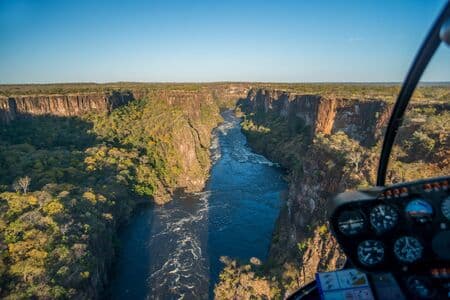
Southern Africa offers a wide range of landscapes that make family safaris feel varied rather than repetitive. You can move from mopane woodland and open savannah to riverine habitats, wetlands, and dramatic escarpments. That variety matters because it gives children more than one visual experience, and it often creates more interesting conversations with guides about animal behaviour and habitat.
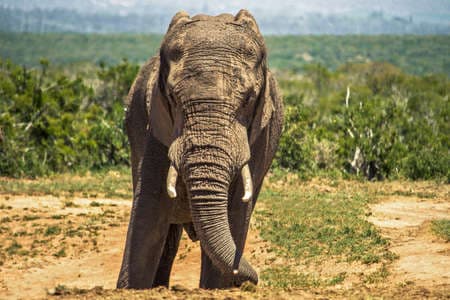
Wildlife expectations should be realistic and age-appropriate. Families can expect a mix of elephant, giraffe, zebra, buffalo, antelope, hippo, and predators such as lion or leopard in the right areas, but no safari should be sold around certainty. The value for families is in the learning process: tracking footprints, noticing bird calls, understanding how animals use water, and recognising why guides read the landscape the way they do.
| Landscape type | What it adds for families | Typical experience |
|---|---|---|
| Open plains | Easy spotting for children | Animals visible from a distance |
| River and wetland areas | Birdlife and water-based viewing | Hippo, crocodile, fish eagles, and boat outings |
| Woodland and bush | More textured viewing and tracking | Great for learning tracks, signs, and animal movement |
The easiest family safaris are usually the ones planned around routines children already understand. Try to keep meal times predictable, carry familiar snacks, and build rest into the day rather than hoping children will adapt to an adult pace. In Southern Africa, the distances between airports, lodges, and parks can be manageable, but they still need to be planned carefully so the journey does not become more tiring than the safari itself.
Health preparation should be taken seriously without becoming stressful. Families travelling with young children should check routine vaccinations well in advance, pack any medication in hand luggage, and speak to a medical professional about destination-specific advice before departure. Sun protection, insect repellent, reusable water bottles, and layered clothing are basic essentials. If you are travelling in the dry season, dust and temperature changes can also affect children, so bring sunglasses, hats, and lip balm.
Do not wait until the final week to arrange family medicines, travel documents, or specialist child gear. Small items like a favourite blanket or headphones can make long transfers much easier.
Accommodation is one of the most important family safari decisions because it shapes both comfort and flexibility. Look for lodges that explicitly welcome children and can explain age rules for game drives, dining, and walking activities. Family suites, interleading rooms, private villas, and exclusive-use houses are often the best fit because they create space for early bedtimes, quiet breaks, and a little separation when needed.
Some properties are better suited to younger children because they have flatter terrain, shorter distances between rooms and common areas, and a more relaxed camp layout. Others are ideal for older children and teens because they offer stronger guiding, bigger wildlife areas, and more adventurous add-ons. Zimtrek’s value lies in matching the lodge style to the family, rather than simply choosing the most famous property.
| Accommodation style | Best for | Why it works |
|---|---|---|
| Family suite | Small families | Simple, practical, and easier to manage at night |
| Interleading rooms | Parents with older children | Privacy with close access |
| Private villa or house | Extended families or multigenerational trips | More control over meals, timing, and downtime |
Good logistics are what make a family safari feel seamless. Start by deciding whether you want a fly-in itinerary or a road-based trip. Fly-in travel reduces fatigue and is often worth it for families with limited time or younger children. Road travel can work well where distances are shorter and you want more flexibility, but it needs realistic driving times and careful scheduling. In Zimbabwe, combining Victoria Falls with Hwange is a common family-friendly route because it creates a strong balance of scenery, wildlife, and manageable transfers.
| Route type | Best use | Family advantage |
|---|---|---|
| Victoria Falls + Hwange | First safari trip | Variety without too many changes |
| Botswana river and bush combination | Comfort-focused travel | Strong lodge standards and good guiding |
| South Africa reserve circuit | Shorter holidays | Easier access and broad accommodation choice |
When planning flights, leave room for delays and avoid same-day connections that cannot absorb a missed transfer. If you are travelling with infants or younger children, confirm seat arrangements, baggage allowances for prams or child gear, and whether the lodge can assist with dietary requests. A well-designed itinerary should reduce friction at every step.
One of the most common mistakes is packing too much into one trip. Families often want to combine several countries, many lodges, and too many activities, but that usually creates more transit time and less enjoyment. Another error is choosing a safari purely on wildlife reputation without checking whether the camp is suitable for children. A lodge can be excellent for couples and still be awkward for a family with early bedtimes or restless toddlers.
It is also easy to underestimate how differently children react to heat, dust, wake-up times, and long sitting periods. Build in a slower morning or afternoon each day, especially on itineraries longer than four nights. Finally, do not assume that every activity is age-appropriate. Some lodges have minimum age rules for vehicle drives, walking experiences, or water-based outings, and these need to be checked before booking.
A safari feels better when it leaves some space unplanned. Families usually enjoy one anchor experience per day, not a packed schedule from dawn to dusk.
For families who want a smoother planning process, Zimtrek can design an itinerary around your dates, age range, and preferred pace, whether that means a short Victoria Falls and Hwange combination or a broader Southern Africa journey. The aim is to make the trip feel easy to manage while still delivering the kind of wildlife and landscape experiences that children remember for years.
Get in touch with us and we'll get back to you as soon as possible.
Here's what sets us apart
We deliver exceptional experiences at fair, transparent prices, ensuring every journey offers genuine quality, comfort, and unforgettable adventure without unnecessary costs.
Your journey is crafted around your interests, pace, and travel style, giving you a custom-made adventure that feels authentic, meaningful, and entirely your own.
From planning to your final day of travel, our dedicated team is available to guide, assist, and ensure your trip runs smoothly and stress-free.
Don't just take our word for it
Keep reading