Explore the factors influencing safari pricing and how to budget effectively for your adventure.
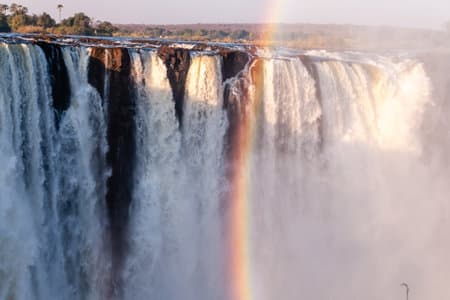
Image via 123RF
Get in touch with us and we'll get back to you as soon as possible.
Here's what sets us apart from the competition
We deliver exceptional experiences at fair, transparent prices, ensuring every journey offers genuine quality, comfort, and unforgettable adventure without unnecessary costs.
Your journey is crafted around your interests, pace, and travel style, giving you a custom-made adventure that feels authentic, meaningful, and entirely your own.
From planning to your final day of travel, our dedicated team is available to guide, assist, and ensure your trip runs smoothly and stress-free.
Find answers to common questions
Contact Zimtrek via the contact form or email with your travel dates, group size, interests, and budget; a consultant will propose options that match your travel style and logistics. They refine the plan through a few rounds of revisions until the itinerary meets your needs.
After finalising the itinerary, Zimtrek issues a detailed quote and booking terms; a deposit is typically required to secure reservations, with the balance due before travel as specified in the contract. Cancellation and amendment policies are provided upfront and may vary by supplier and booking.
Yes; Zimtrek designs itineraries for solo travellers, couples, families, and small groups, adjusting accommodation types, activities, and transport to suit different ages and group dynamics. Recommendations balance convenience, safety, and the desired experience.
Zimtrek coordinates transfers, internal flights, ground transport, local guides, and bookings with a curated network of lodges, camps, and operators to provide seamless logistics. Your consultant will outline transport options and timing in the itinerary and confirm provider details before booking.
Zimtrek specialises in Southern and East Africa, including Zimbabwe, Botswana, Zambia, South Africa, Namibia, Kenya, and Tanzania, and offers safaris, Victoria Falls visits, beach holidays, cultural trips, wildlife photography, and adventure activities. It combines these into multi-destination routes where logistics allow.
In This Article
Cost Breakdown
Key Cost Drivers
Sample Itineraries
If you are trying to budget for a safari in Zimbabwe, the most useful way to think about it is per day rather than as one total figure. A trip can be very affordable if you self-drive, camp, and keep activities simple, or it can rise quickly once you add private guides, boutique lodges, charter flights, and premium experiences around Victoria Falls. For most travellers, the real question is not whether Zimbabwe is expensive in the abstract, but what style of trip you want and how much comfort you expect.
Typical daily range per traveller, depending on camping, lodge level, transport, and activities
A practical rule: park fees, accommodation, and transport usually make up the largest share of a Zimbabwe safari budget. Activities and drinks are often the next biggest variable.
For a rough planning baseline, a self-drive camping safari can start around US$100 to US$180 per person per day, a mid-range lodge-based safari often sits around US$200 to US$450 per person per day, and a luxury trip commonly starts at US$500 and can move above US$1,000 per person per day when premium camps or flights are included. These are planning figures, not fixed quotes, because your route, season, and room type can change the final total quite a bit.
The same destination can therefore produce very different budgets. Two travellers in a simple tented camp with shared game drives may spend less than one couple staying at a private riverfront lodge with charter transfers. That is why a good safari quote should show the cost of accommodation, park entry, transfers, and activities separately, so you can see where your money is going.
The cleanest way to compare safari pricing is to separate the trip into three buckets: where you sleep, how you move, and what you do once you arrive. In Zimbabwe, those three decisions affect the total more than almost anything else. A camping setup in Hwange or Mana Pools keeps costs relatively low, while a lodge with full-board meals, drinks, and twice-daily game drives can move the price up fast. Private vehicle use and scenic flights add another layer.
| Safari style | Typical daily range | Usually includes | Best suited to |
|---|---|---|---|
| Budget / self-drive camping | US$100-US$180 pp/day | Camp fees, basic meals, self-drive fuel, park fees, simple activities | Independent travellers, overlanders, small groups |
| Mid-range lodge or tented camp | US$200-US$450 pp/day | Full-board accommodation, scheduled game drives, transfers in some areas | Couples, families, first-time safari travellers |
| Luxury safari | US$500-US$1,000+ pp/day | High-end lodging, private guiding, premium drinks, flights in some itineraries | Celebration trips, honeymoons, privacy-focused travellers |
If you are comparing quotes, check whether park fees, transfers, and drinks are included. A lower headline price can become more expensive once those items are added separately.
In Zimbabwe, park entry is a meaningful line item. As a practical benchmark, many travellers budget around US$20 to US$50 per person per day for park fees and conservation charges depending on the destination, activities, and length of stay. For example, a couple doing a short Hwange stay will pay differently from a multi-day wildlife circuit that includes Mana Pools and a Victoria Falls stopover. Seasonal demand also matters: the peak dry months from June to October usually attract stronger lodge rates, while shoulder and green-season travel can be better value.
Activities can also move the budget. A Victoria Falls visit often adds pay-as-you-go experiences such as a helicopter flight, river cruise, rafting, or a bungee jump, and those are usually priced separately from your safari lodge. If you want a fuller comparison, the most important habit is to ask for an itemised quote rather than a single lump sum.
Several factors influence the final cost of a Zimbabwe safari, but four are especially important. First is accommodation type: a basic campsite, a comfortable tented camp, and a high-end lodge all deliver different levels of service and privacy. Second is transport: self-drive is usually less expensive than using a private vehicle with a guide, but it comes with more planning responsibility. Third is timing: the dry season is in highest demand because wildlife viewing is typically easier and lodges sell out earlier. Fourth is routing: the more places you include, the more you spend on transfers, night stops, and logistics.
Zimbabwe safaris often feel more cost-effective when the route is efficient. A well-planned Hwange and Victoria Falls combination can be better value than trying to squeeze in too many long transfers.
Zimbabwe also has a different price structure from some nearby destinations because many safari areas are reached by road, light aircraft, or a combination of both. When you move into remote areas like Mana Pools or parts of Gonarezhou, access costs tend to rise because operators have to factor in fuel, vehicle time, and, in some cases, flights. Small groups usually get better value per person because fixed vehicle and guide costs are shared.
Not every Zimbabwe destination costs the same. Hwange is often the most flexible for budgets because it offers a wide spread of camp, lodge, and self-drive options. Mana Pools is more remote and often commands higher rates due to access and the style of camps available. Victoria Falls can be planned on a wide budget spectrum, but activities around the falls can quickly lift the total even when accommodation is moderate.
| Destination | Budget tendency | Why pricing differs | Good value approach |
|---|---|---|---|
| Hwange National Park | Moderate | Range of camps, lodges, and self-drive options | Mix lodge nights with game-drive days |
| Mana Pools | Higher | Remote access and premium camp style | Stay longer in one camp to reduce transfers |
| Victoria Falls | Variable | Accommodation plus separately priced activities | Choose a short activity list and book early |
Hwange is often the easiest place to control spending because you can choose between camping, mid-range lodges, and higher-end camps without changing destinations. Mana Pools is better for travellers who value wilderness atmosphere and are prepared for a premium. Victoria Falls works well as the opening or closing leg of a safari, but if you add adrenaline activities, your daily average can rise quickly.
A useful planning habit is to ask not “How much does a safari in Zimbabwe cost?” but “How much does my preferred route cost per day, and which parts are fixed versus optional?” That question gives you a clearer budget and makes it easier to compare quotes from different operators.
Sample budgets are useful because they show how the numbers work in practice. Below are realistic planning examples for travellers who want to see how a Zimbabwe safari can be shaped at different spending levels. These are estimates in US Dollars and can move depending on the season, exchange-rate pressures on local suppliers, and the exact lodge selected.
| Itinerary | Budget estimate per person | Typical makeup | Notes |
|---|---|---|---|
| 7-day budget safari | US$800-US$1,300 | Camping, self-drive or shared transfers, limited paid activities | Best if you keep to one or two parks |
| 7-day mid-range safari | US$1,600-US$3,200 | Lodge stays, guided game drives, some transfers included | Good balance of comfort and value |
| 10-day luxury safari | US$5,000-US$10,000+ | Premium camps, private guiding, charter or scenic flights | Often combines wildlife with Victoria Falls |
A 7-day budget route might begin with two nights near Victoria Falls, continue to three nights in Hwange, and finish with a final night near the airport or in town. That structure keeps transfers manageable and avoids paying for too many long drives. A 7-day mid-range route could use a comfortable lodge in Hwange and a more characterful stay near the falls, while a 10-day luxury route may add Mana Pools or a private concession with flights between legs to save time.
The biggest planning mistake is spreading a limited budget across too many destinations. Each move adds vehicle time, road transfers, and sometimes an overnight stop you did not intend to buy. If your goal is value, concentrate on fewer places and spend longer in each one. If your goal is variety, then budget for the transfers properly at the beginning rather than hoping they will be small extras.
Travellers often ask whether Zimbabwe is cheaper than Zambia or Botswana. The short answer is that Zimbabwe is often better value than Botswana for many safari styles, while Zambia can be similar or slightly lower in some areas depending on park and lodge choice. The real comparison depends on where you stay, whether park fees are included, and how much road or air transfer is involved.
| Country | Typical cost profile | Why | Planning note |
|---|---|---|---|
| Zimbabwe | Moderate to premium | Good range of camps and lodges, but park fees can be meaningful | Strong value if you stay longer in one region |
| Zambia | Similar or slightly lower in some areas | Some parks and camps are priced competitively | Useful for comparison on the Zambezi side of the falls |
| Botswana | Higher on average | Low-impact, low-volume model and premium camps | Excellent for privacy, but usually not the lowest-cost option |
A useful benchmark for the falls region: Zambia’s park entry often sits lower than Zimbabwe’s, which is one reason cross-border quotes can look different even when the scenery is similar.
On the ground, this means a Zimbabwe itinerary can look slightly more expensive if it includes several park days and a Victoria Falls activity list, but it can still offer stronger overall value than a Botswana route with more exclusive camps. If you are comparing quotes across countries, compare what is included, not just the headline daily rate. A quote that includes meals, park fees, game drives, and transfers may actually be better value than a lower figure with many extras excluded.
The easiest way to save money is to reduce unnecessary movement. Staying three or four nights in one park usually works better than jumping between too many places. Self-drive trips can save a lot if you are comfortable with the planning, but you should still budget for fuel, park fees, and a vehicle that is suitable for rough roads. Green-season travel can also offer better value, especially for travellers who care more about atmosphere and lodge comfort than peak-season game concentrations.
Do not underestimate transfer costs. In Zimbabwe, a low nightly lodge rate can be offset by expensive road transfers or internal flights if the itinerary is too ambitious.
Booking earlier can help with lodge choice, but it also protects your budget because the best-positioned rooms and mid-range camps are often the first to sell. Travelling in a small group can spread vehicle and guiding costs, which is especially helpful for families and friend groups. If you want a controlled spend, choose one paid activity in Victoria Falls rather than a long list of add-ons.
The right safari budget depends on who is travelling and what matters most. For independent travellers and overlanders, a self-drive camping trip is usually the best value because you control the pace and can keep accommodation simple. For couples and first-time safari travellers, a mid-range lodge itinerary is often the sweet spot because meals, game drives, and logistics are easier to manage. For honeymooners or privacy-focused travellers, luxury makes sense when the goal is service, space, and access to remote areas.
| Traveller profile | Best option | Why it fits | Budget focus |
|---|---|---|---|
| Backpackers / overlanders | Camping and self-drive | Flexible, lower-cost, practical for long road trips | Park fees, fuel, camp fees |
| Couples / first-timers | Mid-range lodge safari | Comfortable and easy to plan | Full-board lodges and transfers |
| Honeymooners / premium travellers | Luxury camp circuit | Private guiding and high service levels | Flights, private vehicles, premium rooms |
If you are deciding how much to spend, start with your non-negotiables. If comfort matters more than price, choose a lodge-based itinerary and keep the route simple. If wildlife time matters more than frills, spend on a longer stay in Hwange or Mana Pools rather than on extra transfers. If you want the easiest planning experience, ask for a quote that separates accommodation, transport, park fees, and activities so you can adjust each one without rebuilding the whole trip.
Get in touch with us and we'll get back to you as soon as possible.
Here's what sets us apart
We deliver exceptional experiences at fair, transparent prices, ensuring every journey offers genuine quality, comfort, and unforgettable adventure without unnecessary costs.
Your journey is crafted around your interests, pace, and travel style, giving you a custom-made adventure that feels authentic, meaningful, and entirely your own.
From planning to your final day of travel, our dedicated team is available to guide, assist, and ensure your trip runs smoothly and stress-free.
Don't just take our word for it
Keep reading