Explore intimate experiences and tailored itineraries for couples seeking romance in the wild.
Get in touch with us and we'll get back to you as soon as possible.
Here's what sets us apart from the competition
We deliver exceptional experiences at fair, transparent prices, ensuring every journey offers genuine quality, comfort, and unforgettable adventure without unnecessary costs.
Your journey is crafted around your interests, pace, and travel style, giving you a custom-made adventure that feels authentic, meaningful, and entirely your own.
From planning to your final day of travel, our dedicated team is available to guide, assist, and ensure your trip runs smoothly and stress-free.
Find answers to common questions
Contact Zimtrek via the contact form or email with your travel dates, group size, interests, and budget; a consultant will propose options that match your travel style and logistics. They refine the plan through a few rounds of revisions until the itinerary meets your needs.
After finalising the itinerary, Zimtrek issues a detailed quote and booking terms; a deposit is typically required to secure reservations, with the balance due before travel as specified in the contract. Cancellation and amendment policies are provided upfront and may vary by supplier and booking.
Yes; Zimtrek designs itineraries for solo travellers, couples, families, and small groups, adjusting accommodation types, activities, and transport to suit different ages and group dynamics. Recommendations balance convenience, safety, and the desired experience.
Zimtrek coordinates transfers, internal flights, ground transport, local guides, and bookings with a curated network of lodges, camps, and operators to provide seamless logistics. Your consultant will outline transport options and timing in the itinerary and confirm provider details before booking.
Zimtrek specialises in Southern and East Africa, including Zimbabwe, Botswana, Zambia, South Africa, Namibia, Kenya, and Tanzania, and offers safaris, Victoria Falls visits, beach holidays, cultural trips, wildlife photography, and adventure activities. It combines these into multi-destination routes where logistics allow.
In This Article
Tailored Romantic Experiences
Unique Safari Activities
Planning Your Dream Safari
A memorable couples’ safari starts with a shared brief, not a brochure. Before comparing lodges, agree on the mood you want for the trip: quiet time in camp, a balance of wildlife and wine, a celebratory honeymoon feel, or a more adventurous escape with walking, boating, and scenic drives. In Zimtrek’s Southern Africa planning work, the best results usually come from defining three things early: the level of privacy you want, the pace you can enjoy without feeling rushed, and the experiences you would be happiest to pay extra for, such as a private vehicle or a candlelit dinner away from the main lodge area.
A couple’s safari works best when every transfer, activity, and lodge stop supports the same mood. If one night feels rushed or overly social, the whole trip can lose its romantic rhythm.
For couples travelling across Zimbabwe, Botswana, Namibia, South Africa, Zambia, or parts of Southern Tanzania and Zanzibar add-ons, the planning logic is similar: fewer moves, stronger locations, and experiences that create space rather than fill every hour. A two- or three-stop itinerary is often more effective than trying to “see everything.” For example, pairing Victoria Falls with a quiet Hwange or Zambezi River stay gives you variety without turning the trip into a packing exercise.
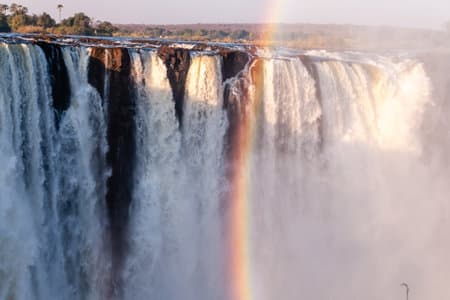
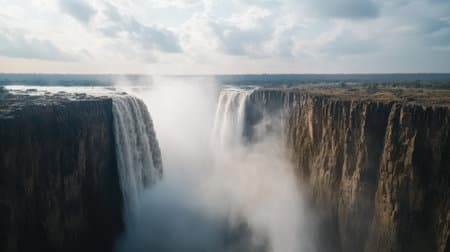
Destination choice should follow the kind of together-time you value most. If you want iconic scenery and easy logistics, Victoria Falls is strong because it combines dramatic views with short activity transfers. If you want longer game drives and a more secluded atmosphere, Botswana’s private concession areas are often better suited to intimate travel. If you prefer a mix of safari and city or coast, South Africa can work well because it supports easy routing, good road infrastructure, and a wide range of lodge styles.
| Destination style | Best for couples who want | Planning note |
|---|---|---|
| Victoria Falls + safari add-on | Iconic scenery, adventure, short transfers | Use it as a lively opening or closing stop |
| Botswana private concessions | Privacy, wildlife, high-end bush time | Prioritise light aircraft links and fewer camp changes |
| South Africa safari circuits | Flexibility, self-drive or guided options | Good if you want to combine safari with wine or coast |
Do not choose a destination only because it is famous. Romance depends more on the setting and pace than on a headline name.
The best timing for couples is usually the season that matches your priorities, not just the driest month on the calendar. In much of Southern Africa, the dry season is popular for game viewing because animals tend to gather around water, but shoulder seasons can be excellent for privacy, better lodge availability, and a softer travel pace. If you want warm evenings and easy outdoor dining, the winter and shoulder months in destinations such as Zimbabwe and Botswana often work well. If you want lush landscapes and fewer visitors in some areas, the green season can be rewarding when planned carefully.
| Season | Typical feel | Romantic advantage |
|---|---|---|
| Dry season | Cooler mornings, more concentrated wildlife | Reliable game viewing and easier outdoor dining |
| Shoulder season | Moderate temperatures, lighter visitor flow | More privacy and often better room choice |
| Green season | Lush scenery, occasional rain | Beautiful backdrops and calmer camp atmosphere |
If your trip is tied to a honeymoon, anniversary, or proposal, book earlier than you would for a standard safari. Couples often need specific room categories, and the most private villas, tented suites, and river-facing rooms are limited. That matters more than buying the highest price point available; a well-positioned mid-range suite can feel more intimate than a larger, busier luxury lodge if the layout is right.
Accommodation should be judged by privacy design, not just star rating. Look at how many rooms the property has, whether the suites are detached, whether the dining is flexible, and how the game-viewing vehicles are managed. Smaller camps usually create a more personal feel, while lodges with only a handful of suites can give couples a quieter, more attentive experience. Zimtrek often recommends properties where the bedroom opens onto a deck or firepit area, because the trip feels more connected when you can enjoy the landscape without leaving your room.
Ask for practical romance features: private plunge pools, in-room dining, a separated lounge area, and the option for a private vehicle on at least one day of the itinerary.
For couples, the most useful accommodation questions are simple: how close are other guests, how noisy are shared spaces, and can meals be timed around your own game drives? These details often matter more than whether the property markets itself as “luxury.” In Botswana and Zimbabwe, many top bush camps succeed because they combine strong guiding with low guest numbers, which means better flexibility for private sundowners, surprise dinners, and slower mornings.
Romance can be undermined by bad routing. To keep the journey smooth, plan around transfer time, baggage rules, and how often you will unpack. Light aircraft connections are useful in remote safari areas, but they can come with strict luggage limits, so couples should pack compactly and avoid overstuffing soft bags. Road transfers can be scenic and cost-effective, yet they should be scheduled with realistic timing so arrival at the lodge does not coincide with a rushed activity or missed dinner.
A seamless itinerary usually includes one arrival day with no major activity commitments, one or two key wildlife days, and one special experience that is different from the rest of the trip. That special experience might be a river cruise in the late afternoon, a private mokoro outing where available, or a table set away from the main dining area. Zimtrek’s planning approach is to build the logistics around the emotional flow of the trip: easy arrival, immersive middle, memorable finish.
One of the most common mistakes couples make is packing too many destinations into too few nights. A four-night trip that includes three lodge changes may look impressive on paper, but it usually creates fatigue instead of connection. Another frequent problem is choosing activities that look exciting but do not suit both travellers. If one partner wants slow, scenic game drives and the other wants a packed schedule of adventure, the itinerary needs to be balanced deliberately rather than improvised on arrival.
Avoid assuming every lodge offers private dining or secluded rooms. These features vary widely, even within the same destination, and should be requested in writing before booking.
Another mistake is overlooking transfer timing between airports, lodges, and activity hubs. A romantic trip can lose momentum if you land late and start a long road transfer without a plan for rest. Couples should also be careful about seasonal assumptions. In Southern Africa, wildlife viewing, river conditions, and the feel of a lodge vary by month, so a destination that suits an August escape may feel very different in January. Planning should be specific to the dates, not generic.
Before confirming anything, couples should agree on a few essentials. This avoids surprises and keeps the itinerary aligned with both people’s expectations.
| Planning item | Why it matters | What to confirm |
|---|---|---|
| Trip length | Prevents rushing | Minimum nights per destination |
| Room type | Creates privacy | Detached suite, view, plunge pool, deck |
| Transfer style | Protects energy | Road, air, or mixed routing |
| Meal preferences | Improves comfort | Private dining, dietary needs, timing |
| Special moments | Adds meaning | Anniversary dinner, proposal setup, surprise activity |
A useful way to plan is to decide what should feel effortless from the moment you land. That might include airport meet-and-greet assistance, private transfers, a first-night lodge with flexible dining, and one clearly defined highlight each day rather than multiple competing options. If you are celebrating something specific, share that early so the itinerary can be built around it, not layered on top of it.
The most memorable romantic safaris are usually the ones that create quiet, shared moments rather than constant activity. Private bush dinners are a classic for a reason: they move the experience away from the main lodge and give the evening a sense of occasion. Sundowner stops with a table, drinks, and a view can also work well because they fit naturally into a game drive without feeling staged. In some areas, boat cruises, guided walking safaris, and scenic helicopter or charter flights can add contrast if they are chosen carefully and do not overcomplicate the trip.
For couples who value relaxation as much as wildlife, spa treatments and slower mid-day breaks can be important. The rhythm of a safari does not need to be full-speed to feel rich. A morning drive, a late breakfast, a few quiet hours by the pool or deck, and an evening dinner often create a more intimate journey than trying to fill every hour. The best romantic experiences usually respect the landscape and the couple’s pace rather than forcing novelty.
Choose one or two signature experiences and build the rest of the trip around them. Too many “special moments” can reduce the sense of surprise.
Tailoring a couples’ itinerary means matching the route to the relationship style, not just the destination. A honeymoon couple may want privacy, strong scenery, and a celebratory finish. An anniversary trip might favour lighter routing, a top-view room, and one extravagant dinner. A couple travelling to reconnect after a busy year may prefer fewer transfers and a mix of wildlife and rest. Zimtrek’s role is to shape the order of the journey so each stop builds on the last.
A simple model is to begin with a high-impact entry point, add an immersive middle, and end somewhere memorable but restful. In Southern Africa, that could mean Victoria Falls for arrival energy, a safari area with private drives for the main wildlife experience, and a final night in a calm river or island setting before departure. This structure works because it gives couples variety without stress, and it allows each stop to serve a different emotional purpose.
If you are comparing options, ask how the itinerary handles recovery time, meal timing, and the balance between guided activities and free time. Those small details determine whether the trip feels curated or simply booked. Well-planned romantic safari packages should leave room for spontaneity, but they should not depend on it.
A strong romantic safari is not defined by how many countries it covers or how elaborate the lodge rate looks. It is defined by how comfortably the experience fits the two people taking it. The best journeys combine the right destination, the right timing, the right level of privacy, and routing that protects the mood of the trip from start to finish. For couples planning a once-in-a-lifetime escape in Southern Africa, the smartest approach is to begin with intimacy and then build the wildlife, scenery, and celebration around it.
Get in touch with us and we'll get back to you as soon as possible.
Here's what sets us apart
We deliver exceptional experiences at fair, transparent prices, ensuring every journey offers genuine quality, comfort, and unforgettable adventure without unnecessary costs.
Your journey is crafted around your interests, pace, and travel style, giving you a custom-made adventure that feels authentic, meaningful, and entirely your own.
From planning to your final day of travel, our dedicated team is available to guide, assist, and ensure your trip runs smoothly and stress-free.
Don't just take our word for it
Keep reading