
Explore the historical roots and modern relevance of the Big Five in African wildlife
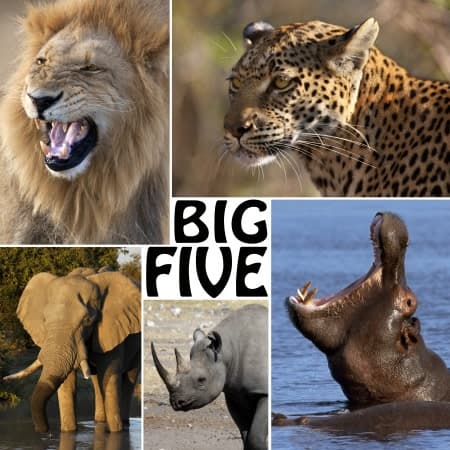
Image via 123RF
Get in touch with us and we'll get back to you as soon as possible.
Here's what sets us apart from the competition
We deliver exceptional experiences at fair, transparent prices, ensuring every journey offers genuine quality, comfort, and unforgettable adventure without unnecessary costs.
Your journey is crafted around your interests, pace, and travel style, giving you a custom-made adventure that feels authentic, meaningful, and entirely your own.
From planning to your final day of travel, our dedicated team is available to guide, assist, and ensure your trip runs smoothly and stress-free.
Find answers to common questions
During a safari, you can expect to see a diverse range of bird species, including raptors, waterbirds, and endemic species native to Southern Africa. Each region offers unique opportunities for birdwatching, depending on the season and environment.
The best birding seasons in Southern Africa are typically during the rainy summer months from November to March, when migratory birds arrive and vegetation is lush. However, each region has its own unique birding highlights throughout the year.
Parks such as Kruger National Park in South Africa, Hwange National Park in Zimbabwe, and Chobe National Park in Botswana are highly recommended for wildlife photography, offering diverse ecosystems and abundant wildlife.
Yes, several parks in Southern Africa are renowned for birding, including Hwange National Park in Zimbabwe, Kruger National Park in South Africa, and Chobe National Park in Botswana. These locations provide a variety of habitats that attract a wide range of bird species.
Yes, Zimtrek Travel offers guided birding tours that include experienced local guides who are knowledgeable about the region's avifauna and can enhance your birding experience.
The best time for birdwatching in Southern Africa is typically during the wet season, from November to March, when migratory birds arrive and resident species are more active. However, many birds are also visible year-round, especially in diverse habitats.
Yes, Zimtrek Travel offers tailor-made itineraries that can be customized to focus on birding and wildlife photography, ensuring you visit the best locations for observing birds according to your preferences.
Southern Africa is home to a wide variety of wildlife, including elephants, lions, leopards, rhinos, and numerous bird species. Each destination has its own specialties that enrich the wildlife viewing experience.
Yes, Zimtrek Travel specializes in tailor-made itineraries that can be customized to focus on birding and wildlife experiences, ensuring that your specific interests are catered to.
While not mandatory, bringing binoculars, a field guide for bird identification, and a camera with a zoom lens can enhance your birdwatching experience. Our expert guides can also assist you with the best practices for spotting and identifying birds.
In This Article
Historical Origins
Animal Profiles
Cultural Impact
The term 'Big Five' refers to five of Africa's most iconic animals: the lion, leopard, elephant, buffalo, and rhinoceros. These animals are not only symbols of the continent's rich biodiversity but also play a crucial role in tourism and conservation efforts. Understanding why these specific animals are grouped together offers insights into Africa's wildlife heritage and its ongoing preservation challenges.
The term 'Big Five' was coined by big-game hunters during Africa's colonial era to describe the five most challenging animals to hunt on foot. These animals were revered not for their size, but for the danger they posed to hunters. The legacy of this term has evolved, shifting from hunting to conservation, as these animals now attract thousands of tourists seeking to view them in their natural habitats.
Interesting Fact: The phrase 'Big Five' was originally associated with prestige in hunting circles, but today it highlights the need to protect these majestic creatures.
Lions are synonymous with power and strength, often seen as the leaders of the animal kingdom. They live in prides and are known for their majestic manes and formidable roars. Conservation efforts focus on mitigating human-wildlife conflicts and preserving their natural habitats.
Leopards are highly adaptable and elusive, known for their spotted coats and solitary nature. They can thrive in diverse environments, from rainforests to deserts. Conservation challenges include habitat fragmentation and poaching for their beautiful skins.
African elephants are the largest land animals on Earth, recognized for their intelligence and social structures. They play a crucial role in their ecosystems, but face threats from ivory poaching and habitat loss. Conservation efforts are essential to ensure their survival.
Buffaloes are known for their unpredictable nature and formidable horns. They live in large herds and are considered one of the most dangerous animals to hunters. Conservation efforts focus on disease management and habitat protection.
Rhinos are critically endangered due to poaching for their horns. They are vital to their ecosystems and symbolize the urgent need for conservation. Efforts include anti-poaching patrols and habitat restoration.
The Big Five have transcended their historical hunting roots to become central figures in African cultural identity and wildlife conservation. They are pivotal in attracting tourism, which funds conservation projects and supports local economies. Efforts to protect these animals require collaboration between governments, communities, and conservation organizations.
Tip: Engaging in ethical wildlife tourism can directly contribute to the conservation of the Big Five and other species.
While the Big Five are well-known, other groupings like the Big Seven and Little Five also exist. The Big Seven includes the Big Five plus the cheetah and hippo, emphasizing the diversity of Africa's wildlife. The Little Five, consisting of smaller animals like the antlion and buffalo weaver, highlights the lesser-known but equally fascinating creatures.
| Group | Animals |
|---|---|
| Big Five | Lion, Leopard, Elephant, Buffalo, Rhino |
| Big Seven | Big Five + Cheetah, Hippo |
| Little Five | Antlion, Buffalo Weaver, Elephant Shrew, Leopard Tortoise, Rhino Beetle |
The Big Five are not just remnants of a bygone hunting era but are now symbols of Africa's wildlife conservation efforts. Their significance extends beyond the savanna, serving as ambassadors for biodiversity and the need to protect our natural world. As we continue to explore their habitats, let us also commit to preserving them for future generations.
Get in touch with us and we'll get back to you as soon as possible.
Here's what sets us apart
We deliver exceptional experiences at fair, transparent prices, ensuring every journey offers genuine quality, comfort, and unforgettable adventure without unnecessary costs.
Your journey is crafted around your interests, pace, and travel style, giving you a custom-made adventure that feels authentic, meaningful, and entirely your own.
From planning to your final day of travel, our dedicated team is available to guide, assist, and ensure your trip runs smoothly and stress-free.
Don't just take our word for it
Keep reading