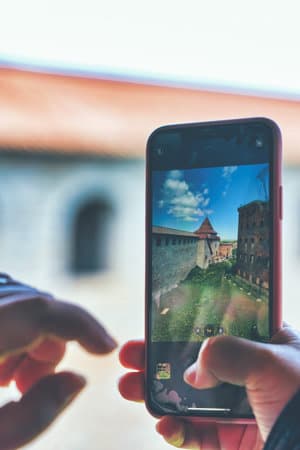
Unlock the stories of Africa's heritage through responsible travel.

Image via 123RF
Get in touch with us and we'll get back to you as soon as possible.
Here's what sets us apart from the competition
We deliver exceptional experiences at fair, transparent prices, ensuring every journey offers genuine quality, comfort, and unforgettable adventure without unnecessary costs.
Your journey is crafted around your interests, pace, and travel style, giving you a custom-made adventure that feels authentic, meaningful, and entirely your own.
From planning to your final day of travel, our dedicated team is available to guide, assist, and ensure your trip runs smoothly and stress-free.
Find answers to common questions
Wear modest, comfortable clothing that covers shoulders and knees, bring a hat and water, ask your guide about photography etiquette, and carry small cash for local purchases or community contributions as advised by your guide.
Yes - Zimtrek designs tailor-made cultural activities that consider family-friendly pacing, child-appropriate interactions, and accessibility requirements, coordinating with partners to accommodate mobility limitations where possible.
Zimtrek can include visits to local villages, guided cultural walks, traditional music and dance performances, community-run projects, and markets to provide authentic insights into local life while supporting community partners.
Zimtrek works with vetted community partners and local guides who follow ethical visit protocols, ensure fair compensation, and design interactions that respect local customs and privacy while contributing to community income streams.
English is widely spoken in many tourism areas, and Zimtrek arranges local guides or interpreters when needed to facilitate meaningful exchanges and help navigate cultural nuances.
In This Article
Understanding Cultural Heritage
Tips for Ethical Engagement
Unique Sites to Discover
The best way to approach a cultural heritage site is to treat it as a living place, not just a photo stop. Before you go, learn what makes the site important, who manages it, and whether there are visitor rules that shape what you can do on arrival. At places such as Great Zimbabwe, the value is not only in the stone ruins themselves but in the layers of meaning attached to them by local communities, historians, and national identity. That is why a thoughtful visit begins with context, not with the camera.
Practical tip: book a guided visit when possible. A knowledgeable guide can explain construction methods, symbolism, and local history in a way signage alone usually cannot.
For travellers planning a Southern Africa itinerary, it helps to build heritage visits around travel rhythm. Combine one or two sites with wildlife or city stays instead of trying to cover too much ground. Heritage travel works best when you leave time for interpretation, reflection, and slower movement around monuments, museums, or sacred landscapes. In Zimbabwe, for example, a route that pairs Great Zimbabwe with nearby cultural centres or a stop in Bulawayo creates a richer understanding than a rushed day trip.
heritage sites are often enough for a short itinerary if you want real context, not just a checklist
A useful first step is to ask three simple questions: what happened here, who remembers it, and why does it still matter today? This approach prevents heritage travel from becoming a generic sightseeing exercise. At Great Zimbabwe, the story includes trade, leadership, architecture, and the continuity of Shona cultural memory. That layered interpretation is exactly what makes heritage travel meaningful. You are not only looking at old walls; you are engaging with a place that still shapes how Zimbabwe tells its own history.
If you are travelling independently, read a short background note before entering the site and compare it with what your guide says on the ground. That combination of preparation and observation gives you a clearer picture than either source alone. If the site has a museum, visitor centre, or local archive, allow time for it. These spaces often explain details that are easy to miss outdoors, such as timelines, oral traditions, or conservation efforts.
Not every historic place carries the same type of value, so travellers should learn how to recognise what makes a site significant. Some sites are important because of architecture, some because of living cultural practice, and others because they represent a turning point in regional history. UNESCO’s World Heritage framework is a useful starting point because it groups places by outstanding cultural value, but travellers should also pay attention to national heritage registers and community-recognised sites that may be less famous yet deeply meaningful.
| How to judge a heritage site | What to look for | Why it matters |
|---|---|---|
| Historical depth | Connections to a major period, kingdom, migration, or trade network | Shows the site is part of a wider historical story |
| Living significance | Current community use, ritual value, or oral tradition | Prevents a “ruins only” mindset |
| Interpretive quality | Guides, signage, museum material, or local narration | Improves your understanding and respect |
A strong example is Great Zimbabwe, which is widely recognised not only for its stone architecture but also for the way it anchors national heritage education. For travellers, that means the site should be approached as a place of learning and respect, not merely as a “must-see” landmark. In practical terms, the most valuable sites are often those where interpretation is clear, access is managed, and local communities have a visible role in the visitor experience.
Warning: if a site description relies only on dramatic claims and offers little historical context, you may be missing the real significance of the place.
Responsible heritage travel is about reducing harm and increasing value for the people who live with the site every day. That starts with behaviour: stay on marked paths, avoid touching fragile surfaces, and ask before photographing people, ceremonies, or interior spaces. In many heritage places, the most respectful visitor is the one who moves slowly, listens carefully, and pays attention to local guidance without trying to turn every moment into content.
It also means spending money in ways that support the local economy. Choose official guides, local craft cooperatives, and community-run visitor services where they exist. These choices keep tourism benefits closer to the site and encourage conservation. For travellers booking through a specialist such as Zimtrek Travel, the advantage is that these practical details can be built into the trip design from the start rather than improvised at the gate.
Tip: carry small cash in local currency or US Dollars for officially run entry fees, guides, or crafts when card facilities are limited.
One of the most common mistakes is treating every heritage site like a scenic overlook. That approach leads to missed meaning and, sometimes, disrespect. Visitors who rush through without reading the site notes or listening to the guide often leave with only a few photographs and very little understanding. Another frequent error is assuming that all areas are open for free movement. At many culturally sensitive places, restricted zones exist for conservation or spiritual reasons, and crossing them can damage both the site and the visitor experience.
A second mistake is over-reliance on social media cues. A location may appear “famous” online yet be fragile, sacred, or poorly interpreted on the ground. In those cases, the most responsible choice is to follow local instructions, keep noise low, and avoid staging intrusive content. If you are unsure, ask the guide what is appropriate before taking photos. That small moment of checking in can prevent misunderstanding and makes the visit more respectful.
| Common mistake | Better approach | Result |
|---|---|---|
| Arriving unprepared | Read a short background note before you go | You understand the site faster |
| Ignoring local rules | Follow pathways, signage, and guide instructions | Less risk to the site and your visit |
| Buying from informal sellers without context | Use recognised local craft outlets where possible | Better support for local livelihoods |
A third mistake is trying to fit heritage travel into a safari mindset. Heritage sites are not game drives, and they reward patience rather than speed. If you have only a half-day, choose one site and do it well rather than trying to tick off several places in a hurry. For travellers who want a fuller Southern Africa journey, heritage can be paired with landscapes, markets, or wildlife areas, but each component needs space to breathe.
Good planning makes heritage travel smoother and more meaningful. Start with opening hours, access conditions, and whether you need a guide. Then check road conditions, especially if the site is outside a major city. In Zimbabwe and neighbouring Southern African destinations, distances can be larger than they look on a map, so it is wise to build in buffer time. If you are combining a heritage stop with other activities, make sure the timing allows for lingering rather than simply passing through.
If you are visiting Great Zimbabwe, plan for at least a meaningful half-day rather than a quick photo stop. That allows enough time to walk the stone enclosures, hear the historical context, and appreciate the scale of the site without feeling rushed. For travellers booking a multi-stop trip, Zimtrek’s planning approach is useful because it can align heritage, safari, and relaxation without forcing one part of the trip to carry the whole experience.
Practical note: a strong heritage itinerary usually combines one headline site with one lesser-known stop, giving you both context and contrast.
Beyond the best-known names, Southern Africa offers heritage places that reward travellers who look beyond the obvious. Great Zimbabwe remains an essential reference point because of its scale, symbolism, and historical depth, but smaller or less visited sites often provide a more intimate encounter with local history. These may include old trading centres, memorial landscapes, colonial-era civic buildings, or sites tied to living traditions and oral histories.
A useful way to choose lesser-known sites is to ask what kind of story you want to understand better. If you are interested in architecture, look for stone-built settlements or preserved civic precincts. If you are more interested in identity and memory, seek places where local communities still maintain ritual or educational relationships with the site. This keeps your travel choices grounded in meaning rather than popularity alone.
| Site type | What it offers | Best traveller fit |
|---|---|---|
| Major national monument | Strong interpretation and broad historical significance | First-time heritage travellers |
| Community-recognised site | Local storytelling and cultural intimacy | Travellers seeking depth over crowds |
| Museum-linked site | Good background and preservation context | Visitors who like clear interpretation |
For travellers exploring Africa through a responsible lens, the real value is in choosing sites that deepen understanding of place, not just fill an itinerary. That means looking for authenticity, good interpretation, and respect for local custodianship. When those elements come together, a heritage visit becomes one of the most rewarding parts of the journey.
Get in touch with us and we'll get back to you as soon as possible.
Here's what sets us apart
We deliver exceptional experiences at fair, transparent prices, ensuring every journey offers genuine quality, comfort, and unforgettable adventure without unnecessary costs.
Your journey is crafted around your interests, pace, and travel style, giving you a custom-made adventure that feels authentic, meaningful, and entirely your own.
From planning to your final day of travel, our dedicated team is available to guide, assist, and ensure your trip runs smoothly and stress-free.
Don't just take our word for it
Keep reading