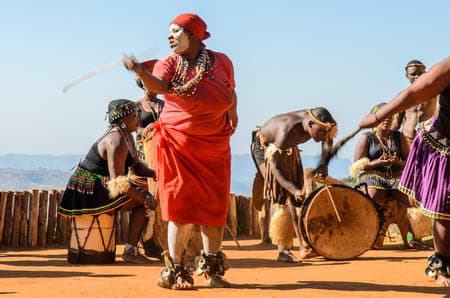
Discover authentic experiences while supporting local cultures and economies.

Image via 123RF
Get in touch with us and we'll get back to you as soon as possible.
Here's what sets us apart from the competition
We deliver exceptional experiences at fair, transparent prices, ensuring every journey offers genuine quality, comfort, and unforgettable adventure without unnecessary costs.
Your journey is crafted around your interests, pace, and travel style, giving you a custom-made adventure that feels authentic, meaningful, and entirely your own.
From planning to your final day of travel, our dedicated team is available to guide, assist, and ensure your trip runs smoothly and stress-free.
Find answers to common questions
Wear modest, comfortable clothing that covers shoulders and knees, bring a hat and water, ask your guide about photography etiquette, and carry small cash for local purchases or community contributions as advised by your guide.
Yes - Zimtrek designs tailor-made cultural activities that consider family-friendly pacing, child-appropriate interactions, and accessibility requirements, coordinating with partners to accommodate mobility limitations where possible.
Zimtrek can include visits to local villages, guided cultural walks, traditional music and dance performances, community-run projects, and markets to provide authentic insights into local life while supporting community partners.
Zimtrek works with vetted community partners and local guides who follow ethical visit protocols, ensure fair compensation, and design interactions that respect local customs and privacy while contributing to community income streams.
English is widely spoken in many tourism areas, and Zimtrek arranges local guides or interpreters when needed to facilitate meaningful exchanges and help navigate cultural nuances.
In This Article
Immersive Cultural Experiences
Support Local Economies
Responsible Tourism Practices
The best community-based experiences are not the ones that simply stop at a village or craft market; they are the ones built with local people, where visitors learn from residents, spend money in the community, and leave with a clearer understanding of daily life. For travellers planning a Southern or East African trip, that distinction matters. A well-designed tour can fund guides, homestays, food suppliers, and artisans, while a poorly designed one may feel like a performance with little local benefit.
Good community tours are specific about who hosts, who benefits, and what part of the experience is community-led. If those details are vague, the tour is probably not the right fit.
Start by deciding what kind of connection you want. Some travellers want a hands-on day with cooking, farming, or basket weaving. Others prefer a shorter cultural stop that fits between safari lodges. The right choice depends on time, comfort level, and whether you want a light interaction or a deeper learning experience. In Southern Africa, the strongest programs tend to be the ones that are small, locally guided, and easy to integrate into a broader safari route through Zimbabwe, Botswana, Namibia, South Africa, Zambia, or Zambia’s Livingstone side of Victoria Falls.
Before you book, check whether the operator can explain the community relationship in practical terms. Ask who owns the experience, who receives payment, and whether the visit is run by local residents or by an outside company passing through. A credible operator should be able to describe the hosts, the time spent on each activity, and the expected group size. Small groups usually work better because they reduce pressure on the community and allow more genuine interaction.
| Selection factor | What to check | Why it matters |
|---|---|---|
| Local leadership | Guides, hosts, and decision-makers come from the community | Improves authenticity and keeps value local |
| Activity design | You know exactly what you will do, see, or learn | Avoids shallow “drive-through” visits |
| Group size | Prefer compact groups or private departures | Makes interaction more respectful and manageable |
| Community benefit | Look for direct income, jobs, or craft sales | Ensures the visit supports local livelihoods |
A useful rule is to favour tours that are tied to a place you are already visiting. For example, a community lunch or village walk near Victoria Falls, a conservancy visit in Namibia, or a cultural stop between safari camps in Botswana can add context without turning the trip into a logistics puzzle. That is especially important for travellers combining wildlife and culture, because community time works best when it feels like part of the journey rather than an unrelated add-on.
The most meaningful visits usually keep numbers low enough for real conversation and less disruption.
Use a simple three-part filter. First, read the itinerary closely and identify whether the experience includes a hosted activity, a local meal, or a visit to a community enterprise. Second, look for evidence that the community is part of the design process, not just the scenery. Third, compare the tour with the rest of your trip so you know whether it supports your travel style. Families often need shorter, more interactive visits, while couples may prefer a quiet craft demonstration or home-hosted meal.
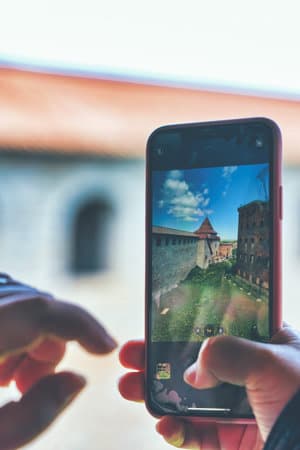
Tip: Ask whether photography is welcome before the visit starts. In many communities, people are happy to be photographed only after a proper introduction or if you buy a craft or make a donation through the correct channel.
The strongest experiences usually offer one clear educational thread. That might be food, beadwork, local farming, music, or conservation-linked livelihoods. When a tour tries to do everything in one hour, it often delivers less depth. A better option is a focused visit with time for discussion, a demonstration, and a small purchase from local makers. If you are comparing operators, ask how much of your payment stays in the host community. Even if the exact split is not public, a transparent answer is a good sign.
One of the most common mistakes is treating a community visit like a quick photo stop. That mindset can lead travellers to rush through introductions, overlook etiquette, and miss the purpose of the experience. Another mistake is assuming that every cultural stop is automatically beneficial. Some activities are created mainly for show, with little local ownership or meaningful payment flowing back into the area.
Warning: If a tour cannot explain who hosts the visit, who is paid, or how the community benefits, consider that a red flag rather than a minor detail.
Travellers also sometimes overpack the itinerary. Community experiences need breathing room, especially when they involve conversation, meal sharing, or a local guide introducing context. Squeezing a village visit between long transfers and game drives can make it feel rushed. For Southern Africa itineraries, Zimtrek often plans these experiences alongside nearby safari stays so the day has a natural rhythm instead of a forced schedule.
| Common mistake | Better approach | Result |
|---|---|---|
| Booking only on price | Compare ownership, group size, and inclusion details | A more ethical and rewarding experience |
| Expecting a performance | Approach the visit as a conversation and exchange | More natural interaction |
| Ignoring local customs | Ask about dress, greetings, and photography first | Fewer awkward moments |
| Overcrowding the day | Keep time for transfer delays and relaxed engagement | Less stress, better pacing |
Before confirming a booking, run through a short checklist. You should know the host community, the length of the visit, what activities are included, whether meals or craft purchases are part of the experience, and whether the group size is private or shared. It also helps to know if the tour is suitable for children, older travellers, or guests who prefer a gentler pace. This is especially useful for families and small groups whose needs can change quickly once they are on the road.
If you want a stronger travel experience, think of community tourism as a partnership. You are not only observing culture; you are helping to sustain it through respectful participation. That approach works best when travellers come prepared, ask thoughtful questions, and choose operators who are transparent about how the experience is structured. It is also where well-planned itineraries add value, because they connect local encounters with lodges, transfers, and activities that make sense in the wider route.
For travelers, the main benefit is depth. A community-led visit turns a destination from something you pass through into something you understand. You see how people live, how income is created, and how local knowledge shapes the landscape. In places like Zimbabwe, Botswana, Namibia, South Africa, and Zambia, this can add meaning to a safari itinerary by showing the human side of conservation, craft production, food systems, and rural livelihoods.
The strongest visits exchange money, knowledge, and attention in a way that reaches local households.
For local communities, the benefit is not only direct income. Community tourism can create work for guides, cooks, drivers, hosts, artists, and small suppliers. It can also support the preservation of skills that might otherwise be harder to sustain, such as basketry, carving, traditional cooking, or storytelling. When tourism is structured well, it gives communities more control over how they present themselves and what parts of their culture they want to share.
A well-run community visit should feel reciprocal: the traveler learns, and the host community gains tangible value from the encounter.
In Southern Africa, some of the most effective programs are those linked to existing travel corridors. Around Victoria Falls, for example, community visits can be paired with local food experiences, craft markets, and guided walks that connect travellers to nearby livelihoods without requiring long transfers. In Namibia, conservancy-based tourism has shown how community-managed land and visitor spending can work together when the local structure is clear and the product remains small-scale. In Botswana, tourism connected to community trusts and local concessions often performs best when it sits alongside wildlife viewing rather than replacing it.
A practical pattern appears across these examples: community-based tourism works best when local people control part of the experience, benefit from repeat demand, and can host visitors without compromising daily life. That is why short, focused encounters often outperform broad, generic village tours. They are easier to manage, easier to price fairly, and easier for travelers to remember because the interaction feels personal rather than staged.
Ethical travel starts with consent and respect. Ask before photographing people, buy directly from legitimate local sellers where possible, and avoid negotiating aggressively for small craft purchases. If an experience includes children, be extra careful about boundaries and about whether the visit is educational or merely intrusive. Ethical community tourism should protect dignity first and entertainment second.
Avoid tours that use culture as a prop. If the experience is designed to impress visitors rather than benefit hosts, it is unlikely to be a responsible choice.
Another issue is fairness. When prices are extremely low, the savings often come from the community side, not the traveler side. A more responsible choice is to pay a fair rate for a small, well-run experience that includes transport, guiding, and a meaningful contribution to the hosts. That approach aligns with the broader responsible-travel guidance promoted by organisations such as the World Wildlife Fund's responsible travel resources, and it supports the kind of tourism that Zimtrek aims to build into tailor-made Southern Africa itineraries.
Get in touch with us and we'll get back to you as soon as possible.
Here's what sets us apart
We deliver exceptional experiences at fair, transparent prices, ensuring every journey offers genuine quality, comfort, and unforgettable adventure without unnecessary costs.
Your journey is crafted around your interests, pace, and travel style, giving you a custom-made adventure that feels authentic, meaningful, and entirely your own.
From planning to your final day of travel, our dedicated team is available to guide, assist, and ensure your trip runs smoothly and stress-free.
Don't just take our word for it
Keep reading