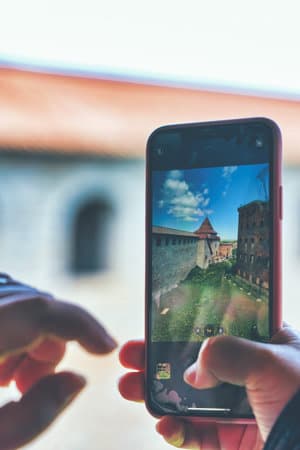
Explore local cultures and traditions through immersive travel experiences in Southern Africa.
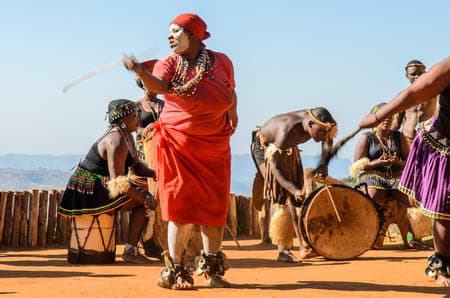
Image via 123RF
Get in touch with us and we'll get back to you as soon as possible.
Here's what sets us apart from the competition
We deliver exceptional experiences at fair, transparent prices, ensuring every journey offers genuine quality, comfort, and unforgettable adventure without unnecessary costs.
Your journey is crafted around your interests, pace, and travel style, giving you a custom-made adventure that feels authentic, meaningful, and entirely your own.
From planning to your final day of travel, our dedicated team is available to guide, assist, and ensure your trip runs smoothly and stress-free.
Find answers to common questions
Wear modest, comfortable clothing that covers shoulders and knees, bring a hat and water, ask your guide about photography etiquette, and carry small cash for local purchases or community contributions as advised by your guide.
Yes - Zimtrek designs tailor-made cultural activities that consider family-friendly pacing, child-appropriate interactions, and accessibility requirements, coordinating with partners to accommodate mobility limitations where possible.
Zimtrek can include visits to local villages, guided cultural walks, traditional music and dance performances, community-run projects, and markets to provide authentic insights into local life while supporting community partners.
Zimtrek works with vetted community partners and local guides who follow ethical visit protocols, ensure fair compensation, and design interactions that respect local customs and privacy while contributing to community income streams.
English is widely spoken in many tourism areas, and Zimtrek arranges local guides or interpreters when needed to facilitate meaningful exchanges and help navigate cultural nuances.
In This Article
Meaningful Connections
Planning Essentials
Avoid Common Pitfalls
Cultural immersion works best when travellers arrive with curiosity, patience, and a willingness to listen before they speak. In Southern Africa, the most rewarding encounters are rarely the staged ones that feel hurried or transactional. They happen when a village visit includes time for conversation, when a homestay is arranged with local hosts who want to share their daily rhythm, or when a guide explains why a ceremony, craft, or meal matters in that community. The goal is not to collect experiences like souvenirs; it is to understand context and participate respectfully.
The best trips are designed around participation, not observation. That means fewer rushed stops and more time for genuine exchange.
A good rule is to choose experiences that are led by community members, hosted by trusted local partners, and tied to a real place rather than a generic performance. For example, in Zimbabwe or Botswana, that might mean a cooking session where a host family explains staple ingredients, a beadwork workshop with a local artisan, or a township walk with a resident who can speak candidly about everyday life. Zimtrek’s approach is to match each traveller with the right level of interaction, whether they want gentle cultural exposure or a deeper, more personal itinerary.
Start with the type of connection you want: conversation, hands-on learning, or a multi-day stay.
The right mindset shapes the quality of the trip. Travellers who ask thoughtful questions, accept that not every moment will be perfectly structured, and allow local hosts to set the pace usually get much more from the experience. It also helps to understand that “authentic” does not mean raw or unfiltered in the way social media sometimes suggests. Authenticity is about honest access, fair compensation for hosts, and experiences that reflect real community life without exposing people to discomfort for entertainment.
Avoid treating people as attractions. If a visit feels intrusive, rushed, or overly posed, it is usually not the right format.
Practical respect matters too. Dress modestly where appropriate, ask before taking photographs, and be careful with assumptions about language, family structure, religion, or income. In many parts of Southern Africa, a warm greeting and a few minutes of genuine conversation create a much better opening than immediately reaching for your camera or asking direct personal questions. When Zimtrek plans these experiences, the emphasis is on natural exchange, not scripted interaction.
Planning should begin with the outcome you want. Are you hoping to learn about living heritage, meet artisans, understand local food traditions, or combine culture with safari and landscapes? Once that is clear, build the itinerary around a region where those experiences are meaningful and logistically practical. Southern Africa offers strong options because cultural tours in Africa can be paired with wildlife areas, city neighbourhoods, and smaller rural communities without requiring extremely long transfers.
| Planning step | Why it matters | Good Zimtrek-style example |
|---|---|---|
| Choose the interaction level | Sets the tone and pace of the trip | Half-day market visit, full-day craft workshop, or overnight community stay |
| Match the destination | Different places offer different cultural strengths | Township food tour, rural homestead visit, or heritage trail |
| Check host credentials | Protects quality and community benefit | Locally led guides and vetted community partners |
The most useful itineraries also leave space. Cultural visits feel better when they are not squeezed between long road transfers and late arrivals at camp. Zimtrek often recommends building in one or two anchor experiences rather than trying to cover too many communities in one trip. That approach keeps the pace humane for travellers and allows hosts to share more than a quick introduction.
If you are combining culture with safari, place the cultural stop at the beginning or end of the journey so the experience has breathing room.
Destination choice should follow your interests, not just a map. Zimbabwe is strong for community visits linked with Victoria Falls and Matabeleland traditions. Botswana works well for low-density, community-oriented experiences near the Delta fringe or in villages where local hosts can explain life in a conservation landscape. South Africa offers urban culture, food, township history, and living heritage in ways that are easy to combine with Cape Town, Johannesburg, or Kruger-adjacent routes. Namibia can be excellent for desert-adapted communities and craft traditions, while Zambia and parts of Tanzania bring river, village, and market experiences that feel grounded in daily life.
The key is to choose places where the cultural product is strong and the logistics support respectful travel. If your priority is learning rather than ticking off sights, ask whether the community benefits directly, whether hosts are paid fairly, and whether the activity is designed for small groups. Those are usually better indicators of value than glossy descriptions. Zimtrek’s planning style focuses on fit: the right destination, the right host, and the right pace for the traveller.
A well-chosen destination should answer one question clearly: what will I understand here that I could not understand from a hotel stay alone?
The most common mistake is treating cultural travel like sightseeing with costumes added. When travellers move too fast, ask for “the real thing” in a demanding way, or expect communities to perform on cue, the experience becomes thin for everyone involved. Another frequent problem is overpacking the itinerary with too many stops. Culture needs time. A rushed schedule can turn meaningful encounters into brief photo opportunities that leave little room for conversation or learning.
If an experience is too cheap to seem fair to the host, it may be underpaying the community or cutting corners on quality.
Travellers also sometimes assume one community visit represents an entire country or region. It does not. Southern Africa is culturally layered, with languages, histories, and customs that differ across towns, provinces, and ethnic groups. A good itinerary avoids overgeneralising and instead focuses on specific places and people. Zimtrek’s role is to narrow the choices so the trip reflects a real local context rather than a broad stereotype.
Respect is often visible in small decisions. A basic etiquette checklist helps you travel well and avoid accidental offense. This is not about rigid rules; it is about being attentive to local norms and to the comfort of your hosts. If in doubt, ask your guide first, then follow their lead. That simple habit prevents awkward moments and shows that you value the people you are visiting.
| Do | Avoid | Why it matters |
|---|---|---|
| Greet people before asking questions | Launching straight into requests | Creates trust and shows basic courtesy |
| Ask before photographing people or homes | Assuming photos are automatically welcome | Protects privacy and dignity |
| Buy crafts directly when appropriate | Bargaining aggressively for a trivial discount | Supports fair earnings for artisans |
| Dress neatly and modestly where needed | Wearing beachwear to a village or home visit | Signals respect for local norms |
A useful checklist also includes practical items: carry small notes if you plan to purchase crafts, bring a reusable water bottle, and allow time for translation if the conversation moves across languages. These details improve the flow of the visit and reduce pressure on hosts. If children are travelling with you, prepare them in advance so they understand that people’s homes and routines deserve the same respect you would want for your own.
Southern Africa offers cultural experiences that are varied enough to suit different travel styles. In Zimbabwe, travellers can combine craft markets, rural community visits, and heritage storytelling with a Victoria Falls itinerary. In Botswana, smaller-scale village encounters and locally guided experiences often pair well with a safari focused on conservation and low-impact travel. South Africa can bring food heritage, township history, music, and urban creativity into one journey. Namibia’s living culture often shows up through artisan traditions and desert livelihoods, while Zambia offers market culture and river communities with a strong sense of place.
The strongest experiences usually combine one hands-on activity, one guided conversation, and one local meal rather than a long sequence of short stops.
Examples that work well include a cooking session with a host family, a storytelling evening around a fire, a heritage walk through a neighbourhood with a resident guide, or a craft workshop where you learn the process rather than only buying the finished product. These experiences are especially effective when they are scheduled at a comfortable pace and linked to communities that want visitors for the right reasons. That is where Zimtrek’s curated partnerships matter: the company works with trusted local hosts and operators who can deliver depth without staging false intimacy.
Zimtrek builds cultural itineraries to feel grounded, respectful, and logistically smooth. That means selecting partners who understand how to host small groups well, ensuring travellers are matched with experiences that suit their interests, and keeping the journey flexible enough to avoid a conveyor-belt feel. Authenticity, in practice, is a combination of local knowledge, fair partnerships, and thoughtful pacing. It is also about being honest when a destination is better for a brief cultural stop than for a multi-day immersion.
Zimtrek prioritises experiences that benefit hosts as well as guests, with itineraries shaped around real community participation.
For travellers, that means less guesswork and more confidence that each stop has been chosen for quality, not novelty. It also means your journey can be adjusted to your travel style, whether you want a gentle cultural layer alongside safari or a trip built primarily around people, food, and heritage. For more on how Zimtrek approaches planning and destination design, see the About Zimtrek page, the Popular Destinations page, and the Contact & Planning page for tailored trip support.
Get in touch with us and we'll get back to you as soon as possible.
Here's what sets us apart
We deliver exceptional experiences at fair, transparent prices, ensuring every journey offers genuine quality, comfort, and unforgettable adventure without unnecessary costs.
Your journey is crafted around your interests, pace, and travel style, giving you a custom-made adventure that feels authentic, meaningful, and entirely your own.
From planning to your final day of travel, our dedicated team is available to guide, assist, and ensure your trip runs smoothly and stress-free.
Don't just take our word for it
Keep reading