Explore the unique flavors and vibrant dining scene surrounding Victoria Falls.
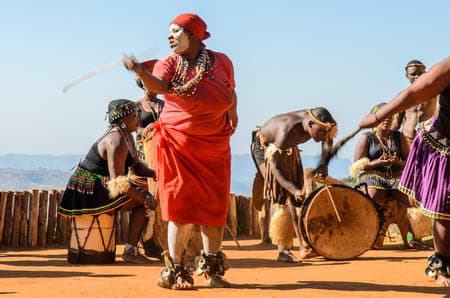
Image via 123RF
Get in touch with us and we'll get back to you as soon as possible.
Here's what sets us apart from the competition
We deliver exceptional experiences at fair, transparent prices, ensuring every journey offers genuine quality, comfort, and unforgettable adventure without unnecessary costs.
Your journey is crafted around your interests, pace, and travel style, giving you a custom-made adventure that feels authentic, meaningful, and entirely your own.
From planning to your final day of travel, our dedicated team is available to guide, assist, and ensure your trip runs smoothly and stress-free.
Find answers to common questions
Wear modest, comfortable clothing that covers shoulders and knees, bring a hat and water, ask your guide about photography etiquette, and carry small cash for local purchases or community contributions as advised by your guide.
Yes - Zimtrek designs tailor-made cultural activities that consider family-friendly pacing, child-appropriate interactions, and accessibility requirements, coordinating with partners to accommodate mobility limitations where possible.
Zimtrek can include visits to local villages, guided cultural walks, traditional music and dance performances, community-run projects, and markets to provide authentic insights into local life while supporting community partners.
Zimtrek works with vetted community partners and local guides who follow ethical visit protocols, ensure fair compensation, and design interactions that respect local customs and privacy while contributing to community income streams.
English is widely spoken in many tourism areas, and Zimtrek arranges local guides or interpreters when needed to facilitate meaningful exchanges and help navigate cultural nuances.
In This Article
Local Cuisine Highlights
Dining Experiences
Beverage Culture
Victoria Falls is best known for its natural spectacle, but the town itself has become one of Southern Africa’s more interesting places to eat well after a day outdoors. The dining scene is shaped by a mix of Zimbabwean home cooking, safari lodge kitchens, international resort menus, and a steady flow of travellers who expect good coffee, fresh breakfasts, relaxed lunches, and memorable dinners. That combination gives the town a culinary identity that is more layered than many first-time visitors expect. You can move in a single day from a simple sadza-and-relish lunch to a plated bush dinner under the stars, then finish with a locally brewed beer or a glass of South African wine.
What makes the food culture here distinctive is the practical reality of a tourism town that serves both local residents and international guests. Menus often reflect that balance. You will find Zimbabwean staples such as sadza, kapenta, peanut stew, and braaied meats alongside pizza, pasta, grilled fish, and vegetarian options designed for travellers with different tastes and dietary needs. In lodge settings, chefs often lean on seasonal produce and careful presentation, while smaller cafes and market stalls tend to focus on quick, hearty, affordable meals. This range matters because travellers in Victoria Falls do not eat in one fixed style; they tend to plan around activities, transfers, and lodge schedules.
A useful way to think about Victoria Falls dining is by setting rather than price. In practice, the setting often tells you more about the experience than the menu does.
For Zimtrek travellers, the best food experiences are usually the ones that fit neatly into the overall itinerary. A couple on a romantic getaway may prefer a quiet riverside dinner with a fixed menu and sunset timing. A family may need a lodge that can handle early meal times and familiar dishes for children. A safari-focused traveller may want something efficient and satisfying between game drives. Because Victoria Falls is a hub for short stays and onward travel, the strongest restaurants and food experiences are those that can deliver quality without making logistics complicated. That is one reason local knowledge matters: it helps match the meal to the rhythm of the trip.
Core dining styles travellers usually encounter: local, lodge-based, and international.
The town also has an informal food rhythm that changes through the day. Breakfast is often simple and familiar, designed to get travellers moving early for activities. Lunch is where casual restaurants and cafes become important, especially for visitors returning from a morning cruise, helicopter flight, or wildlife drive. Dinner is when the town’s character becomes more visible, with candlelit terraces, open-air grills, and lodge dining rooms creating a more atmospheric feel. In other words, the culinary scene is not just about what is on the plate; it is about how it supports the rest of the trip.
If you want to understand the Zimbabwean side of Victoria Falls properly, start with the dishes that appear in everyday homes and traditional eateries. Sadza is the foundation of many meals. Made from finely ground maize meal, it is typically served with relish, vegetables, beans, or meat. For many travellers, sadza is the clearest introduction to local food culture because it is filling, affordable, and deeply rooted in regional eating habits. It is not meant to be complicated; its value is in how it anchors the meal and carries the flavours around it.
Another dish worth seeking out is peanut stew, often prepared with leafy greens, chicken, or vegetables. The peanut base gives it richness and a gentle sweetness that works well after a day in the sun. Grilled or braaied meats are also central to the local food experience. You may see beef, chicken, goat, or game-style preparations depending on the venue. In Zimbabwe, braai culture is social and relaxed, so these dishes often taste best in settings where the cooking is done slowly and served fresh rather than rushed. For visitors who want something lighter, grilled tilapia or other freshwater fish can appear on menus, especially where chefs are working with broader Southern African influences.
If you are trying sadza for the first time, ask how the relish is prepared. The side dish often defines the flavour and the overall experience.
Street snacks and small bites can also tell you a lot about the destination. Roasted maize, fried dough snacks, and simple meat rolls are common on casual menus or at small stalls, especially where the pace of travel encourages quick meals. These are not “tourist” dishes in the narrow sense; they are everyday foods that give visitors a more grounded sense of place. They are especially useful for travellers who want to keep lunch informal before a major afternoon excursion or transfer. In Victoria Falls, local food is less about novelty and more about timing, comfort, and authenticity.
| Dish | What it is | Best for |
|---|---|---|
| Sadza with relish | Maize meal served with vegetables, meat, or beans | A classic first taste of local dining |
| Peanut stew | Rich stew with peanuts, greens, or protein | Comforting lunches and lodge dinners |
| Braaied meats | Grilled beef, chicken, goat, or similar cuts | Shared dinners and social meals |
| Roasted maize | Simple roasted corn, often sold casually | Quick snacks between activities |
One of the most useful ways to plan meals in Victoria Falls is to separate the experience into three practical layers: casual food, lodge and hotel dining, and premium meals. Casual food is the most flexible. It includes cafes, local grills, takeaway counters, and market-style eating, which are especially useful when your day is packed with transfers, border crossings, or activities. This is where you will often get the fastest service and the broadest price range. The food may be simple, but when chosen well it can be fresh, filling, and exactly what you need before heading back out.
Mid-range dining is where many travellers spend the most time. Hotels and safari lodges around Victoria Falls often build their menus around reliability and consistency. Portions are generally generous, service is structured, and menus are broad enough to handle mixed groups. This category is especially important for Zimtrek clients because it supports tailor-made trips: a lodge dinner after a day in the park, a relaxed lunch before a sunset cruise, or an early breakfast before an airport transfer. For many visitors, these meals create the rhythm of the trip even if they are not the main reason for travelling.
Fine dining in Victoria Falls tends to be more about experience than formality. Expect attentive service, carefully chosen ingredients, and scenic locations rather than overly elaborate tasting menus. The best high-end meals often make use of the setting itself, whether that means a river view, a colonial-style dining room, or an open terrace with bush sounds in the background. This is where travellers who want a more celebratory atmosphere usually gravitate, especially for honeymoons, anniversaries, or the final night of a safari circuit. The point is not to chase luxury for its own sake, but to choose the level of polish that fits the trip.
For short stays, book the special meals first and keep casual options flexible. The most memorable dinners in Victoria Falls are often the ones tied to sunset timing or a lodge’s signature setting.
Vegetarian and lighter meals are usually easier to find than many travellers expect, although the quality depends on the venue. Tourist-oriented restaurants and lodges tend to handle dietary requests more smoothly than small walk-in spots, which is one reason it helps to plan ahead if you have specific requirements. For travellers from the region, the food scene also works well because it does not force a single dining style. You can eat simply one day and more elaborately the next, depending on your itinerary and energy levels. That adaptability is one of the town’s biggest strengths.
The most memorable meals in Victoria Falls are often the ones that use place as part of the menu. Riverfront dining is a strong example. Meals beside the Zambezi usually feel slower, cooler, and more scenic, especially late afternoon into evening. The appeal is not just the view; it is the way the dining schedule syncs with the light, the breeze, and the chance of seeing wildlife movement near the water. For travellers who want a softer, more reflective pace after active days, this style of dining can be more satisfying than a busy restaurant in town.
Bush dining and lodge braais are another highlight. These experiences usually involve a carefully arranged setting, sometimes with lanterns, a fire, and a set menu served outdoors. They are especially suited to travellers who want a strong sense of Southern African atmosphere without turning the meal into a formal event. While the food itself may be straightforward, the combination of setting, timing, and service often makes the experience feel far more immersive than an ordinary dinner. This is the kind of detail that makes itinerary design important: the meal works best when it is built into the day rather than treated as an afterthought.
Some properties and operators also arrange cultural meals or themed evenings that introduce guests to local flavours in a structured way. These are useful for travellers who want a gentle introduction rather than a fully independent exploration of the food scene. They can be a smart choice for first-time visitors because they reduce uncertainty while still offering a sense of place. If you are traveling with children, older relatives, or a group with mixed preferences, these experiences also help bridge the gap between “adventurous” food and familiar comfort.
Well-planned dinner experiences can turn one evening into a highlight of the whole itinerary.
Local markets in and around Victoria Falls are valuable not because they are polished, but because they reveal how people actually eat. Fresh produce stalls, spice sellers, snack vendors, and small-scale traders offer a more grounded perspective on everyday food culture than most restaurant menus can provide. For travellers, markets are useful for three reasons: they show seasonal ingredients, they offer inexpensive snacks, and they create opportunities to see how local food habits connect to daily life. A good market visit can be short and practical rather than long and touristy.
When visiting a market, it helps to keep your expectations realistic. This is not usually the place for a formal meal; it is where you go for browsing, tasting, and observing. The most rewarding approach is to ask what is fresh that day, look for busy stalls with fast turnover, and choose food that is served hot. That is especially important in a warm climate where freshness matters. For many visitors, the best market finds are not elaborate dishes but fruit, roasted snacks, and quick bites that reflect local tastes in a direct way.
Markets are best experienced in the morning, when produce is fresher and stalls are busiest. That usually gives you the clearest picture of local food life.
Food festivals and seasonal events are less predictable, but when they occur they can be a useful way to sample multiple dishes in one place. These gatherings often mix local cooking with music, craft drinks, and community atmosphere. For travellers who enjoy food as a cultural lens, they can provide more variety than a single restaurant meal and often reveal dishes that are not heavily promoted to tourists. Because event schedules can shift, it is worth checking locally before assuming a festival is on during your stay. The value of these events is in their spontaneity and local character, not in rigid programming.
The drink culture in Victoria Falls is broader than many visitors expect, and it is shaped by both social custom and the needs of a travel town. Traditional non-alcoholic drinks may appear on local menus or in home-style settings, especially where families or community hosts want to offer something rooted in local habit. Maheu, a fermented maize-based drink, is one example that can be found in parts of Zimbabwe. It is often associated with refreshment and everyday use rather than special occasions, and for travellers it can be an interesting contrast to the soft drinks and juices commonly offered in lodges and restaurants. Another familiar option is ginger beer or ginger-flavoured beverages, which provide a stronger, spicier note and pair well with hot afternoons.
Alcoholic drinks also reflect a regional mix. In social settings, beer remains the most common choice, and local lagers are widely available. Many restaurants and lodges also stock South African wines because of their popularity and accessibility in the Southern African market. If you are travelling with Zimtrek and want a relaxed evening after sightseeing, a simple drink order can become part of the experience rather than just a side note. Ask what is locally available, because the best choice is often the one that suits the setting: a cold beer after a safari day, a crisp white wine with a riverside lunch, or a soft drink during a hot market visit.
When trying unfamiliar drinks, begin with small portions. That lets you enjoy the flavour without overcommitting to something you have never tasted before.
For travellers who prefer alcohol-free options, Victoria Falls does not feel restrictive. Fresh juices, sodas, teas, coffee, and mocktails are generally easy to find in tourist-facing venues. In fact, many of the better drink experiences here are tied to timing rather than alcohol content. A cold fruit juice after an afternoon excursion, or a well-made coffee before an early start, can be just as memorable as a beer. The key is to match the drink to the climate, the activity level, and the time of day.
Craft beer has a growing presence in Zimbabwe and the wider region, and visitors in Victoria Falls increasingly look for local or regional brews rather than only familiar international brands. The main appeal of craft beer in this setting is not just flavour variety, but the sense that you are drinking something connected to Southern African brewing culture. Depending on the venue, you may find pale ales, lagers, and seasonal specials. These work especially well in casual dinners or lodge bars where guests are comparing day notes and planning the next activity.
Wine options are usually more predictable, with South African wines leading the way. That is useful for travellers because the quality is reliable and the styles are familiar to many international guests. Sauvignon Blanc, Chenin Blanc, Chardonnay, Cabernet Sauvignon, and Shiraz are common references points, and they pair well with grilled meats, fish, and lighter international dishes. In Victoria Falls, wine service is often strongest in lodges and more established restaurants, where staff are used to guiding guests toward food pairings. If you enjoy wine, the practical question is not whether a venue has a long list, but whether the bottles are stored and served properly. That matters more than variety alone.
| Drink | Typical setting | Best pairing |
|---|---|---|
| Maheu | Markets, local eateries, everyday settings | Light snacks or breakfast |
| Local lager | Bars, lodges, casual dinners | Braai and grilled meats |
| South African wine | Restaurants and lodge dining rooms | Fish, chicken, and plated mains |
| Fresh juice or mocktail | Cafes and resort properties | Lunch in warm weather |
The best culinary travel in Victoria Falls comes from making a few practical decisions before you arrive. First, think about how many meals you will actually eat in town. Many travellers underestimate how quickly activity schedules shape hunger. An early game drive, a border crossing, or a cruise can mean that a late lunch becomes the most important meal of the day. Planning for flexibility is more useful than locking every meal in advance. If you are staying in a lodge outside the main centre, ask in advance whether breakfast times, lunch service, and dinner bookings line up with your itinerary.
Second, match your restaurant choices to your comfort level. If you want a straightforward introduction to Zimbabwean food, choose a place that serves both local dishes and familiar international options. If you are already comfortable with regional cooking, try a venue that leans more strongly toward sadza, braai, and traditional stews. Travellers with dietary needs should communicate them clearly, ideally when booking accommodation or transfers. In a destination where many meals are linked to lodges and tours, advance notice usually produces better results than waiting until you sit down at the table.
Third, be realistic about time. In a short-stay destination like Victoria Falls, a long lunch can sometimes be better than a complicated dinner, especially if your schedule includes an afternoon activity or an early departure. This is where a travel planner can add value by sequencing your meals around sightseeing rather than treating food as a separate issue. A well-timed breakfast, an easy lunch, and one special dinner often work better than trying to overbook the day with restaurant stops.
If you have one “must-do” meal, make it the meal that depends most on timing or atmosphere, such as a riverside sunset dinner or a lodge braai.
Food safety in Victoria Falls is mostly a matter of choosing busy, reputable places and paying attention to how food is handled. Restaurants and lodges with steady turnover are usually the safest bet because ingredients move quickly and dishes are prepared repeatedly throughout the day. Hot food should be served hot, cold food cold, and drinks should come from venues that appear clean and organised. These are simple signals, but they matter in any travel destination and are especially useful when you are eating at small stalls or in busy public settings.
Street food can be enjoyable, but it works best when you look for visible freshness and good preparation. Choose stalls where the food is cooked in front of you, avoid items that have been sitting uncovered for long periods, and be cautious with raw garnishes if you have a sensitive stomach. For bottled drinks, check seals before opening. If you are trying fresh fruit or juices, prefer venues that wash and serve ingredients cleanly. These habits are not about fear; they are about making smart, low-effort choices that keep the trip comfortable.
The cleanest-looking place is not always the best test. Busy turnover and proper cooking are often more important than décor.
Travellers with allergies or strict dietary rules should be especially clear about ingredients. Because many dishes use sauces, stocks, or shared cooking surfaces, it helps to ask direct questions rather than assume. This is another area where Zimtrek-style planning adds value: when food preferences are communicated early, accommodation partners and guides can often make the dining experience smoother. For most visitors, a little preparation is enough to make eating in Victoria Falls both enjoyable and low-stress.
Victoria Falls rewards travellers who see food as part of the destination rather than a break from it. The town offers a practical but varied culinary landscape: local dishes that connect you to Zimbabwean everyday life, lodge meals that fit neatly into safari routines, scenic dinners that make the landscape part of the experience, and drink options that reflect both regional habits and international tastes. The strongest food memories here usually come from thoughtful matching rather than chasing the fanciest menu. A simple meal can be outstanding if it is timed well, served in the right place, and chosen with the day’s activities in mind.
For travellers planning a Southern Africa journey, Victoria Falls can play several food roles. It can be the place where you first try sadza, the stop where you enjoy a polished lodge dinner, or the final night where you celebrate the end of a safari with a good bottle of wine. The destination works especially well when food is woven into the itinerary with the same care as transfers, accommodation, and excursions. That is where local planning makes a real difference: it turns meals from background logistics into memorable parts of the journey.
Get in touch with us and we'll get back to you as soon as possible.
Here's what sets us apart
We deliver exceptional experiences at fair, transparent prices, ensuring every journey offers genuine quality, comfort, and unforgettable adventure without unnecessary costs.
Your journey is crafted around your interests, pace, and travel style, giving you a custom-made adventure that feels authentic, meaningful, and entirely your own.
From planning to your final day of travel, our dedicated team is available to guide, assist, and ensure your trip runs smoothly and stress-free.
Don't just take our word for it
Keep reading